

Bill proposes limiting art with sexual content in public spaces
Translated from Spanish, summarized and contextualized by DistantNews.
At a glance
News
Sources not specified
New plan
- A proposed bill in the Dominican Republic aims to prohibit the exhibition of art with sexual, erotic, or obscene content in public spaces.
- The bill seeks to protect children from involuntary exposure to such content, while allowing it in museums and galleries with content warnings and access control.
- Public events with potentially inappropriate content would need to be declared, adapted, or moved to controlled environments.
A new bill introduced in the Chamber of Deputies seeks to regulate artistic expression in public spaces across the Dominican Republic, proposing a ban on art with sexual, erotic, or obscene content. The primary goal is to shield children from unintentional exposure to such material.
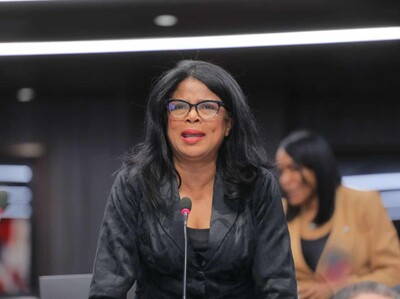
The initiative, put forth by Lidia Esther Pérez, a deputy from Puerto Plata, would prohibit the exhibition of artistic and cultural manifestations in streets, parks, and other public areas if they are not suitable for minors. This includes explicit sexual content, obscene depictions, or erotic material. The bill specifies that such content would be forbidden in areas frequented by children, including schools, playgrounds, and libraries.
While the bill restricts public displays, it allows for the creation and exhibition of such art in museums, galleries, theaters, and other indoor venues. These spaces would be permitted to display art with sexual themes, nudity, or social critique, provided there are content warnings and access controls in place. Even art displayed on private properties would be prohibited from being visible from the public street if it contains explicit sexual content.
Organizers of public art events would be required to declare if their presentations include content potentially unsuitable for minors. If deemed inappropriate, the event might need to be adjusted, moved to a controlled indoor space, or have access restrictions implemented. The bill also clarifies that these regulations would not be used to limit political, religious, or social expressions unless they incorporate sexually explicit material.
DistantNews Editorial
Originally published by Diario Libre in Spanish. Translated, summarized, and contextualized by our editorial team with added local perspective. Read our editorial standards.
More Stories



From Our Blog

What Gets Lost (and Found) When News Is Translated

The Critical Role of Diaspora Media in Global News

What Travellers Should Know About Countries with Restricted Press

A Digital Nomad's Guide to Following Local News

How the Same Story Looks Different in Different Countries
