

/s3/static.nrc.nl/wp-content/uploads/2026/08/16181423/160826BUI_2035963999_HogeVenenDRAGEND.jpg)
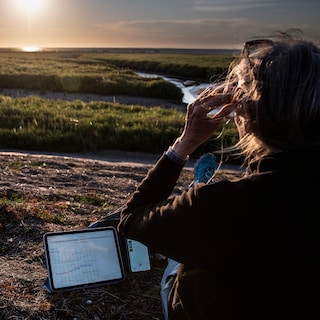
Birds sought nests earlier during eclipse, study finds
Translated from Dutch, summarized and contextualized by DistantNews.
At a glance
News
Sources not specified
Context piece
- Birds returned to their nests earlier during an eclipse, according to research using listening devices.
- The study observed that birds exhibited behaviors similar to those at dusk when the eclipse occurred.
- This suggests that birds may use light cues, like those during an eclipse, to regulate their daily activities.
Birds exhibited unusual behavior during a solar eclipse, seeking out their nests earlier than usual, a new study reveals. Researchers equipped with sophisticated listening devices observed that avian species reacted to the dimming light by initiating behaviors typically associated with dusk.
The study, published in De Volkskrant, tracked bird activity during an eclipse and noted a distinct shift in their patterns. As the moon began to obscure the sun, birds started to head back to their roosts, signaling a premature end to their daylight activities. This response suggests a strong reliance on light levels for their daily biological rhythms.
Scientists believe that birds may use light cues, such as the changing intensity during an eclipse, as a signal to regulate their daily routines. The sudden drop in light, mimicking the onset of night, appears to trigger their instinct to seek shelter and prepare for rest. This finding offers new insights into the complex ways birds perceive and respond to their environment.
Further research could explore how different species react to such celestial events and whether other environmental changes, like sudden storms, elicit similar responses. Understanding these triggers could be crucial for conservation efforts and for comprehending the intricate adaptations of bird behavior.
DistantNews Editorial
Originally published by De Volkskrant in Dutch. Translated, summarized, and contextualized by our editorial team with added local perspective. Read our editorial standards.
More Stories
/s3/static.nrc.nl/wp-content/uploads/2026/08/14113734/140826VER_2035919103_pennings1.jpg)
/s3/static.nrc.nl/wp-content/uploads/2026/08/14174142/140826VER_2035955491_BBQ.jpg)
/s3/static.nrc.nl/wp-content/uploads/2026/08/13160329/130826BIN_2035865742_droogte1.jpg)
From Our Blog

What Gets Lost (and Found) When News Is Translated

The Critical Role of Diaspora Media in Global News

What Travellers Should Know About Countries with Restricted Press

A Digital Nomad's Guide to Following Local News

How the Same Story Looks Different in Different Countries
