


Blocked by censors, China's animal lovers take fight against abuse offline and overseas
Summarized and contextualized by DistantNews.
At a glance
News
Official statement
Context piece
- Chinese animal lovers are taking their fight against animal abuse online and internationally after facing censorship domestically.
- The movement gained traction following a horrific incident where stray puppies and their mother were killed by minors.
- Despite authorities' attempts to suppress discussion, public outcry continues, with activists demanding animal cruelty laws in China.
Following a disturbing incident in June where stray puppies and their mother were brutally killed by minors, Chinese animal lovers are escalating their campaign against animal abuse, taking their fight beyond domestic internet censorship and into the international arena.
The incident, which involved boys setting a dog named Wang Wang on fire after beating her puppies, sparked widespread outrage across the Chinese internet. However, authorities intervened, citing the age of the boys (all under 14) and urging the public to refrain from disseminating information and engaging in cyberbullying. Official statements emphasized creating a "good environment for the growth of minors."
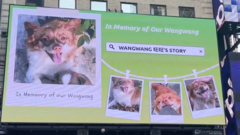
Despite these censorship efforts, the restrictions appear to have galvanized activists. They have now resorted to offline actions and international outreach, including organizing billboards in New York to garner support. Within China, discussions about the incident persist on social media, with users expressing shock, anger, and sorrow, alongside strong demands for legislation against animal cruelty, a legal framework that is currently absent in China.
Jieyang authorities stated last month that the boys involved would not face criminal charges but would instead be sent to a "specialized school." Reports suggest the boys may have filmed the act, but police have not confirmed this. While censors have attempted to block the video, some argue for its preservation. The identities of the boys have not been officially revealed, though unverified posts claiming to show their faces circulate online, raising concerns about potential misidentification of other children.
While keywords like "Wang Wang" and "animal protection" remain trending, users report content removal and restricted sharing capabilities. This pushback highlights the challenges faced by animal welfare advocates in China, where stringent media control clashes with growing public concern over animal cruelty, prompting a globalized response from activists.
We urge the public not to disseminate related information, to reject cyberbullying, and to work together to create a good environment for the growth of minors.
DistantNews Editorial
Originally published by BBC News. Summarized and contextualized by our editorial team with added local perspective. Read our editorial standards.
More Stories



From Our Blog

What Gets Lost (and Found) When News Is Translated

The Critical Role of Diaspora Media in Global News

What Travellers Should Know About Countries with Restricted Press

A Digital Nomad's Guide to Following Local News

How the Same Story Looks Different in Different Countries
