


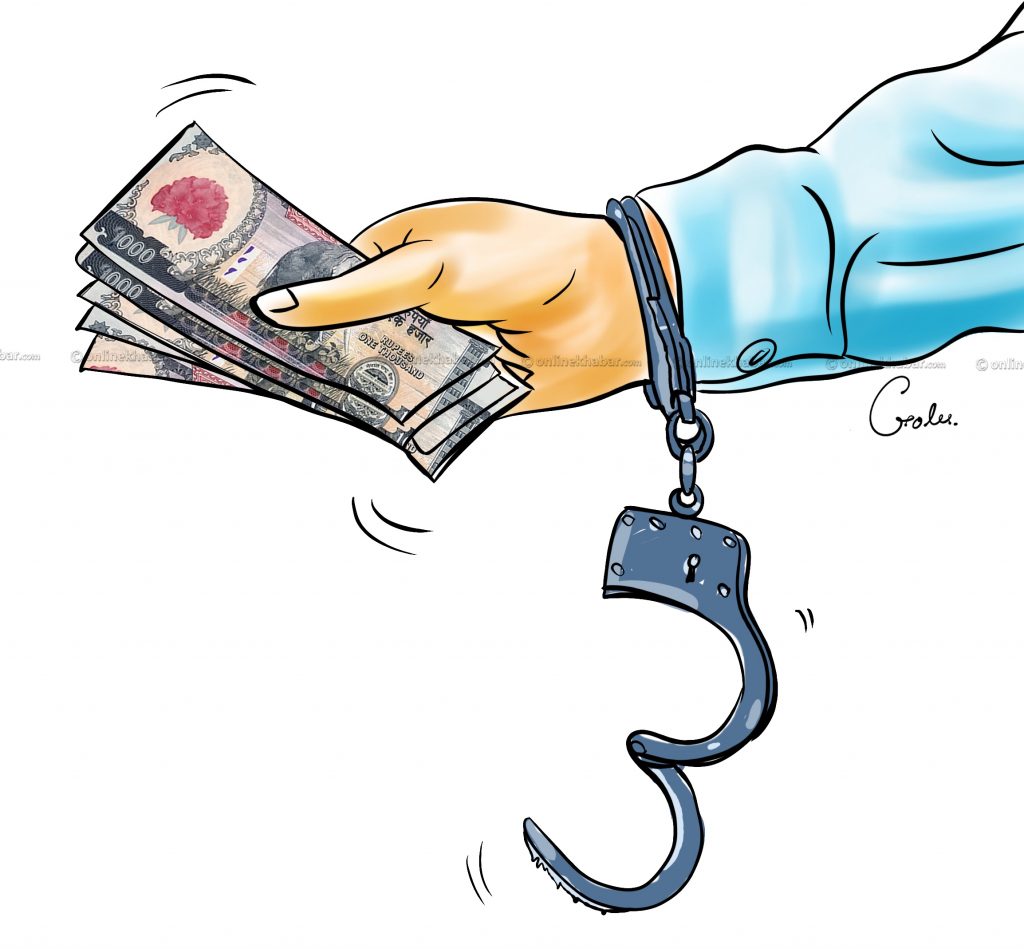
Blowing the whistle to control corruption
Summarized and contextualized by DistantNews.
At a glance
News
Sources not specified
Context piece
- Whistle-blowing, the act of reporting unethical activities by insiders, is often misunderstood in Nepal and equated with media stunts.
- The government has established mechanisms like the Right to Information Act and complaint boxes, but a lack of specific whistle-blowing laws and fear of reprisal hinder citizens.
- Effective whistle-blowing requires proof of unethical behavior, not media support or a leader, but citizens often fear challenging the state apparatus.
Whistle-blowing, defined as an insider raising concerns about unethical activities, is frequently misrepresented in Nepal, often being conflated with attention-grabbing media stunts. This distortion obscures the fundamental purpose of whistle-blowing, which is to alert authorities to loopholes and malpractices within established systems.
Contrary to the misconception that whistle-blowing requires media backing or a prominent figure, the act fundamentally relies on evidence of wrongdoing. Nepal's government has implemented various channels for citizens to voice concerns, including the Right to Information Act, which mandates information disclosure within 15 days, complaint boxes, and online reporting systems. The National Information Commission, National Vigilance Centre, Commission for the Investigation of Abuse of Authority, and Hello Sarkar are among the institutions designed to receive such complaints.
Despite these mechanisms, whistle-blowing faces significant obstacles. A primary hindrance is the absence of dedicated whistle-blowing legislation. For individuals, the act is perceived as a high-risk, low-reward endeavor, especially without adequate legal protection and security against powerful state institutions. Concerns about data confidentiality and the potential for information leaks further complicate the process. Moreover, citizens often harbor a deep-seated fear of challenging the system, preferring to navigate public services through intermediaries rather than directly reporting issues.
DistantNews Editorial
Originally published by OnlineKhabar English. Summarized and contextualized by our editorial team with added local perspective. Read our editorial standards.
More Stories


From Our Blog

What Gets Lost (and Found) When News Is Translated

The Critical Role of Diaspora Media in Global News

What Travellers Should Know About Countries with Restricted Press

A Digital Nomad's Guide to Following Local News

How the Same Story Looks Different in Different Countries
