


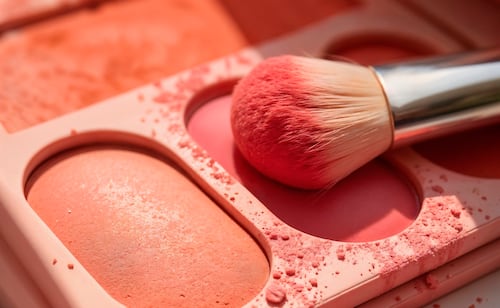
Blush colors that make skin look healthy
Translated from Spanish, summarized and contextualized by DistantNews.
At a glance
In-depth
Named sources
Context piece
- Blush is essential for a vibrant and healthy-looking complexion, combating a dull appearance.
- Liquid blushes offer the most natural finish, blending seamlessly with the skin for a "wet" effect.
- Selecting blush shades based on skin undertones (neutral, warm, or cool) ensures a harmonious and natural look.
Blush has emerged as a star in recent makeup trends, and for good reason. Its ability to enhance the skin is a primary benefit, transforming a dull face into one with vitality and color. When applied, blush creates a harmonious tone that complements sculpted features, playing with light and shadow.
When there is no blush, the face looks dull and lacks vitality; but when it is added along with other cosmetics like bronzer, the skin takes on a harmonious color that plays with those sculpted lights and shadows.
Beyond adding color, the right blush shade can make the skin appear healthier, especially when chosen to match the skin's undertones. While blushes come in various formulas, gel, mousse, liquid, and powder, liquid blushes are lauded for providing the most natural finish. They can even create a dewy, "wet" look, reminiscent of a natural flush after a steamy shower.
Liquid formulas blend effortlessly, often allowing for application with fingertips. The warmth of the hands helps the product melt into the skin, preventing disruption of underlying makeup like foundation and concealer. For longevity and a polished look, combining a liquid blush with a satin-finish powder blush can fix pigments and extend wear.
The blush that offers the most natural finish is the liquid one.
Choosing the correct shade is crucial. For neutral undertones, peach, mauve, and baby pink shades complement the skin harmoniously. Warm undertones are best enhanced by rose coral, salmon, cherry red, and mid-berry tones, which subtly boost the skin's natural color. Cool undertones benefit from raspberry, plum, and rosewood shades, which create a more balanced appearance.
Peach, mauve, and baby pink colors are the best because their pigments do not compete with the skin tones, but complement them harmoniously.
A beauty trick to make blush look even more natural involves applying it before a light layer of foundation, creating the illusion that the flush originates from within the dermis. After completing the rest of the makeup routine, a final light dusting of satin powder blush can be applied to the high points of the face for added dimension without appearing heavy.
Rose coral, salmon, cherry red, and mid-berry colors avoid marked contrasts. On the contrary, they subtly enhance these types of skin and, although you know they are there, they go unnoticed by the eye due to how natural they look.
DistantNews Editorial
Originally published by El Universal in Spanish. Translated, summarized, and contextualized by our editorial team with added local perspective. Read our editorial standards.
More Stories



From Our Blog

What Press Freedom Means for the News You Read

What Gets Lost (and Found) When News Is Translated

The Critical Role of Diaspora Media in Global News

What Travellers Should Know About Countries with Restricted Press

A Digital Nomad's Guide to Following Local News
