


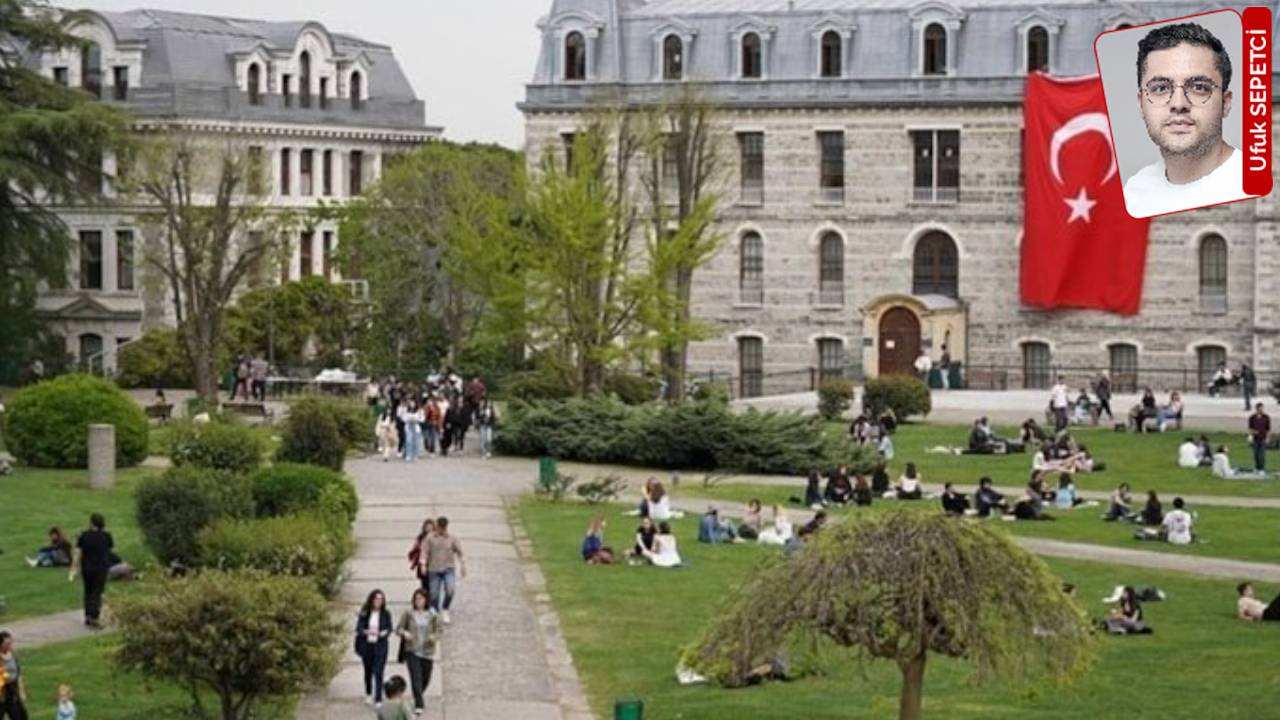
Boğaziçi Computer Engineering Falls to Fifth Place Amidst University Administration Controversy
Translated from Turkish, summarized and contextualized by DistantNews.
At a glance
News
Named sources
Context piece
- Boğaziçi University's computer engineering program dropped from first to fifth place in national university entrance rankings between 2020 and 2026.
- A former professor attributes the decline to the current university administration's policies, citing issues like delayed academic appointments and restricted access to research facilities.
- Despite the challenges, the program's continued high demand among top students is seen as a significant achievement amidst broader concerns for academic freedom in Turkey.
Boğaziçi University's once-dominant computer engineering program has slipped to fifth place in Turkey's university entrance rankings, a significant drop from its top position in 2020. The decline, which places it behind Koç, İTÜ, Bilkent, and ODTÜ, has sparked debate about the university's academic environment.
The drop in the program's base success ranking from 315 to 4,500 is a direct result of Naci İnci's policy.
Professor Tuna Tuğcu, who was removed from his position at Boğaziçi, directly linked the program's falling success ranking from 315 to 4,500 to the current administration under Rector Naci İnci. Tuğcu described the situation as a "multifaceted evil," pointing to issues such as the failure to reappoint and promote academics, blocked access to research centers and labs, dismissals, and numerous investigations.
We are talking about the result of a multifaceted evil.
Tuğcu further alleged that İnci had suggested closing the computer engineering department. He argued that these actions have directly harmed the program's academic atmosphere, leaving junior faculty without career prospects. He also noted increased pressure on students, including disciplinary actions and restrictions on campus activities.
This decline in ranking is not due to a single reason. We are talking about the result of a multifaceted evil.
Despite these difficulties, Tuğcu found it noteworthy that the program still attracts highly ranked students, calling its ability to maintain a base admission score within the top 4,500 a "great success." He emphasized that the struggles at Boğaziçi reflect broader issues facing Turkish universities, advocating for scientific autonomy and democracy across the academic sector. "Universities that are not autonomous... cannot produce science," Tuğcu stated, adding that "science does not flourish where free thought and expression are absent."
Junior faculty have been rendered without a future.
DistantNews Editorial
Originally published by Cumhuriyet in Turkish. Translated, summarized, and contextualized by our editorial team with added local perspective. Read our editorial standards.
More Stories



From Our Blog

What Gets Lost (and Found) When News Is Translated

The Critical Role of Diaspora Media in Global News

What Travellers Should Know About Countries with Restricted Press

A Digital Nomad's Guide to Following Local News

How the Same Story Looks Different in Different Countries
