


Bolivia charges three in alleged Russia-Ukraine war recruitment ring
Translated from Spanish, summarized and contextualized by DistantNews.
At a glance
News
Named sources
Under investigation
- Bolivian authorities have formally charged three men accused of operating a human trafficking network that recruited Bolivians to fight in the Russia-Ukraine war.
- Prosecutors are seeking the maximum pretrial detention for the suspects, who allegedly worked with a fugitive main suspect to lure young men from communities like Rincón de Palometas.
- Families of nine young men who left for Europe over two months ago have lost contact, adding to the distress as the investigation into the recruitment ring continues.
In Santa Cruz, Bolivia, a formal indictment has been filed against three men accused of running a human trafficking ring that sent Bolivians to fight in the Russia-Ukraine conflict. The Public Ministry is pursuing charges of human trafficking for recruitment in armed conflicts and is requesting the maximum pretrial detention period allowed by law.
The Public Ministry will file the formal indictment for the crime of human trafficking for recruitment in armed conflicts and will request pretrial detention for the maximum term.
Mijail Cavero, the lead prosecutor, stated that the charges are based on initial evidence, including family testimonies, documents, cell phones, computers, and passports seized during police raids. The primary suspect, identified as Amador A., remains at large. The three arrested individuals are allegedly his brothers and former son-in-law, maintaining direct ties to him.
The main perpetrator allegedly recruited the victims and, along with his co-perpetrators, assisted in their transfer. We have indications that they traveled to the community of Rincón de Palometas to recruit the young men and later transport them to Europe, where they would end up involved in the conflict between Russia and Ukraine.
According to Cavero, the investigation suggests the accused helped in recruiting and transporting victims. Evidence indicates they traveled to communities like Rincón de Palometas to find young men, subsequently moving them to Europe to join the conflict. Seized passports and electronic devices are being analyzed to determine if more individuals were being prepared for deployment.
The accused have not been able to specify why they had those passports in their possession.
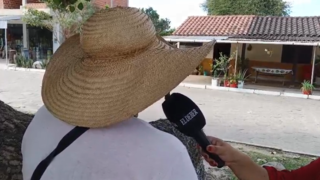
Meanwhile, uncertainty grips families in Rincón de Palometas, where nine young men departed over two months ago. Camilo, the uncle of one of the recruited individuals, shared that his nephew was among them and last communicated on May 10, mentioning he was undergoing training. The families have lost contact since then, highlighting the ongoing distress and the urgency of the investigation.
The last thing he told us was that he was training.
DistantNews Editorial
Originally published by El Deber in Spanish. Translated, summarized, and contextualized by our editorial team with added local perspective. Read our editorial standards.
More Stories


From Our Blog

What Gets Lost (and Found) When News Is Translated

The Critical Role of Diaspora Media in Global News

What Travellers Should Know About Countries with Restricted Press

A Digital Nomad's Guide to Following Local News

How the Same Story Looks Different in Different Countries
