


🇨🇱
Chile
Bolivia crisis: Chile calls to condemn 'destabilization of democracies'
Translated from Spanish, summarized and contextualized by DistantNews.
At a glance
News
Named sources
Context piece
- Chile's Foreign Minister Francisco Pérez Mackenna urged the region to condemn any attempts to destabilize democracies, citing the crisis in Bolivia.
- He expressed concern over new threats to democracy, particularly in neighboring Bolivia, where anti-government protests have caused significant disruption.
- Pérez Mackenna also called for strengthened regional cooperation against transnational organized crime and supported Chile's bid to host the High Seas Treaty secretariat.
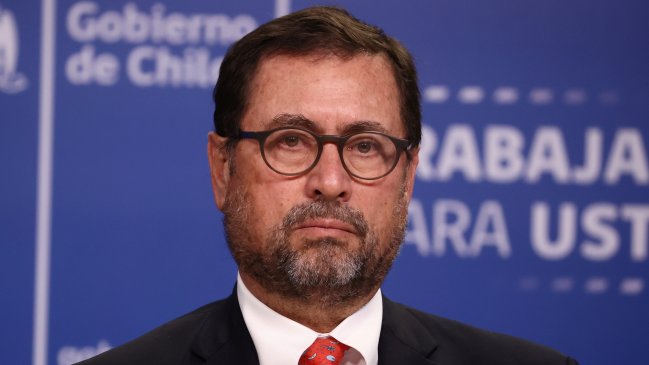
Chilean Foreign Minister Francisco Pérez Mackenna has called for regional leaders to "have the courage to condemn any attempt to destabilize democracies," expressing deep concern over the ongoing crisis in Bolivia. Speaking at the annual General Assembly of the Organization of American States (OAS) in Panama, Mackenna warned against confusing the defense of democratic values with protest movements that he argued only generate violence, poverty, and confusion.
We look with concern at the new threats to our democracies, especially what our brother neighbor Bolivia has been experiencing.
Bolivia has been embroiled in a severe social and political crisis since May, marked by widespread protests from peasant and indigenous groups demanding the resignation of President Rodrigo Paz. The demonstrations have led to prolonged blockades of major highways, causing shortages of food, fuel, and medical oxygen in several cities.
We call on the countries of the region not to confuse the defense of democracy and its values with protest songs that only seek to generate violence, poverty, and confusion.
Mackenna reminded the OAS that Chile has dispatched two flights of humanitarian aid to La Paz to assist in managing the conflict, which has resulted in at least 16 fatalities. He also emphasized the importance of strengthening regional cooperation to combat transnational organized crime, highlighting a recent agreement signed with Argentina, Peru, Bolivia, and Ecuador to create a roadmap against this phenomenon, with Paraguay joining the initiative.
Our country has sent two flights with humanitarian aid to La Paz to face a conflict that has already left at least 16 dead.
Concluding his remarks, the Chilean minister urged support for his country's candidacy to host the secretariat for the High Seas Treaty (BBNJ) in Valparaíso. The treaty, which entered into force in January, establishes a legal framework for protecting biodiversity in international waters.
The fight against organized crime is advancing rapidly in the region. We must work in a coordinated manner to face all facets of this scourge.
DistantNews Editorial
Originally published by Cooperativa in Spanish. Translated, summarized, and contextualized by our editorial team with added local perspective. Read our editorial standards.
More Stories



From Our Blog

What Gets Lost (and Found) When News Is Translated

The Critical Role of Diaspora Media in Global News

What Travellers Should Know About Countries with Restricted Press

A Digital Nomad's Guide to Following Local News

How the Same Story Looks Different in Different Countries
