

Bolivia's president declares state of emergency amid ongoing protests demanding resignation
Translated from English, summarized and contextualized by DistantNews.
At a glance
News
Sources not specified
Ongoing story
- Bolivian President Rodrigo Paz declared a nationwide state of emergency after over six weeks of protests and road blockades.
- The demonstrations, demanding Paz's resignation, were sparked by his economic plans.
- An agreement was reached with the main trade union, but some groups continued protesting.
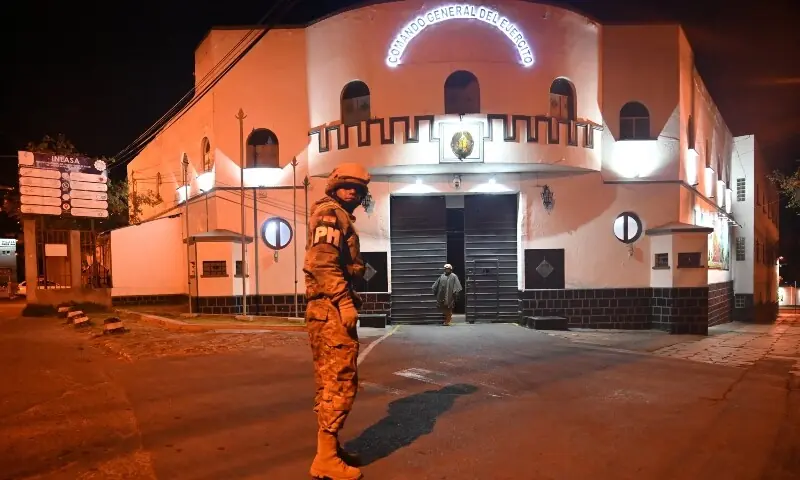
Bolivian President Rodrigo Paz has declared a state of emergency across the country, citing the exhaustion of all dialogue avenues after more than six weeks of protests and road blockades. The demonstrations, which demanded Paz's resignation, were initially triggered by his economic reform proposals.
Paz's decision came shortly after he signed an agreement with the Bolivian Workers' Central (COB), the country's main trade union federation, which led to the end of protests initiated by the union. However, the agreement did not cover all sectors, and some unions continued their demonstrations.
In a televised address, Paz stated that the state of emergency was necessary after exhausting dialogue, reaching agreements with legitimate demands, and identifying those who used violence to destabilize Bolivia. The COB had launched the protest movement in early May, opposing Paz's economic policies, which are reportedly backed by the United States.
After exhausting all avenues of dialogue, reaching agreements with those whose demands were legitimate, and identifying those who used violence in an attempt to destabilise Bolivia, we made the decision to declare a state of emergency across the entire national territory.
DistantNews Editorial
Originally published by Dawn in English. Translated, summarized, and contextualized by our editorial team with added local perspective. Read our editorial standards.
More Stories
From Our Blog

What Gets Lost (and Found) When News Is Translated

The Critical Role of Diaspora Media in Global News

What Travellers Should Know About Countries with Restricted Press

A Digital Nomad's Guide to Following Local News

How the Same Story Looks Different in Different Countries
