

Bolivia's Wheat Production Hits 30-Year Low; Farmers Seek National Plan
Translated from Spanish, summarized and contextualized by DistantNews.
At a glance
News
Named sources
Context piece
- Wheat production in Santa Cruz, Bolivia, has fallen to its lowest level in 30 years.
- The decline is attributed to accumulated losses from drought, rising costs, and economic uncertainty.
- The reduced output will increase Bolivia's reliance on imports.
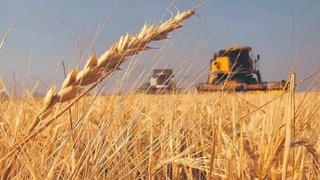
Wheat production in Bolivia's Santa Cruz region has reached a critical low, with the planted area for the 2026 winter campaign shrinking to 57,000 hectares, the smallest in three decades. This sharp decline is a major concern for the agricultural sector, as it will significantly increase the country's dependence on imports to meet domestic demand. Jaime Hernández, general manager of the Association of Oilseed and Wheat Producers (Anapo), described the situation as "critical" during the National Wheat Day event. He cited nearly two years of production and economic losses, economic uncertainty, high production costs, and adverse climate effects, particularly drought, as the primary drivers of this downturn. Anapo organized the event to promote innovation and productivity, showcasing 15 wheat varieties, including the new Genesis variety, and other agricultural technologies. Despite these efforts, Anapo estimates that national production will only cover 12% of the country's annual wheat consumption of 850,000 tons. This shortfall will necessitate increased imports, primarily from Argentina and Paraguay, leading to a greater outflow of foreign currency. Last year, Bolivia spent over $80 million on legal wheat and flour imports alone, a figure that nearly doubles when contraband is included. Hernández also noted that irregular diesel supply continues to hinder agricultural activities.
This has been a critical year for wheat planting. We have the smallest area in 30 years as a consequence of almost two years of production and economic losses, economic uncertainty, high production costs, and adverse climate effects, mainly drought.
DistantNews Editorial
Originally published by El Deber in Spanish. Translated, summarized, and contextualized by our editorial team with added local perspective. Read our editorial standards.
More Stories



From Our Blog

What Gets Lost (and Found) When News Is Translated

The Critical Role of Diaspora Media in Global News

What Travellers Should Know About Countries with Restricted Press

A Digital Nomad's Guide to Following Local News

How the Same Story Looks Different in Different Countries
