


Bousso: Hormuz Oil Exodus Sets Stage for Chaotic Rebalancing Act
Summarized and contextualized by DistantNews.
At a glance
Analysis
Named sources
Context piece
- Crude oil prices have returned to pre-Iran war levels around $73 a barrel following the reopening of the Strait of Hormuz and an interim US-Iran deal.
- Despite the apparent return to normalcy, the oil market is experiencing a chaotic rebalancing as stranded tankers rush to leave and more Middle Eastern oil enters the market.
- A potential flood of oil is expected to meet weak short-term demand, possibly leading to a temporary market glut, while Iran plans to ramp up its oil production.
The reopening of the Strait of Hormuz and an interim deal between the US and Iran have seen crude oil prices fall back to around $73 a barrel, levels not seen since before the recent conflict. This apparent return to normalcy might suggest a stable market, but beneath the surface, a chaotic rebalancing is underway.
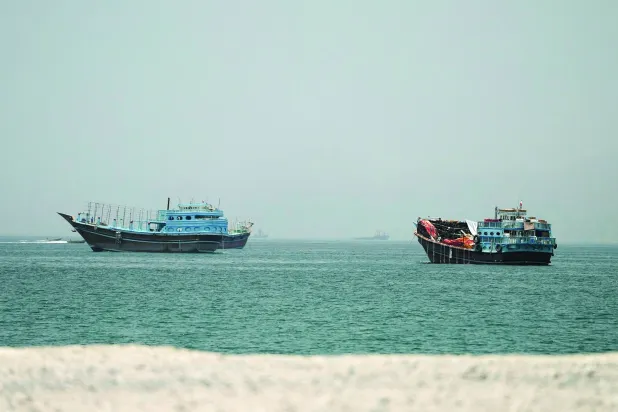
Dozens of oil tankers, previously trapped in the Gulf during the conflict, are now rushing to depart. While overall traffic remains below pre-conflict levels, the surge in exports from the Middle East is injecting significant volumes of oil back into the market. This influx is complicated by some vessels reportedly disabling tracking systems, adding opacity to the situation.
Simultaneously, efforts are being made to clear crude oil from onshore storage facilities, a crucial step for producers to resume normal field operations. Consultancy Rystad Energy estimates that shut-in production across the Gulf has decreased, with the region expected to return to pre-war output levels by December.
Adding to the supply outlook is Iran's anticipated ramp-up in oil production. If sanctions relief holds, Iran's output could reach 3.3 million barrels per day by year-end, exceeding pre-conflict levels. This potential surge in supply is confronting weak short-term demand, as refineries in Asia and Europe have largely secured their crude supplies for the coming months.
The confluence of increased supply and subdued demand could lead to a temporary market situation where excess oil is stored on tankers at sea, effectively acting as floating storage. Investors appear to be anticipating a short-term "mini glut," a scenario where supply temporarily outstrips demand, potentially influencing market dynamics in the near future.
DistantNews Editorial
Originally published by Asharq Al-Awsat. Summarized and contextualized by our editorial team with added local perspective. Read our editorial standards.
More Stories


From Our Blog

What Gets Lost (and Found) When News Is Translated

The Critical Role of Diaspora Media in Global News

What Travellers Should Know About Countries with Restricted Press

A Digital Nomad's Guide to Following Local News

How the Same Story Looks Different in Different Countries
