


Brandenburg government approves two-year budget as Woidke pledges measured cuts
Translated from German and summarized by DistantNews. Read the original for the full story.
At a glance
Newswire
From a news agency
New plan
- Brandenburg’s government approved a draft budget for 2027 and 2028 that combines spending cuts with new positions for teachers and police officers.
- The plan seeks to address funding gaps of up to 7 billion euros while increasing hospital funding and maintaining existing rail connections.
- The state parliament is scheduled to hold the budget’s first reading on Sept. 16.
Brandenburg’s government has approved a draft budget for 2027 and 2028 that cuts 478 public-sector positions while creating hundreds of jobs for teachers and police officers.
The plan includes 250 additional teaching positions for the 2027-28 school year and 100 new police positions in each of the two budget years. A planned improvement in staffing at child-care centers from 2027 will not go ahead for now. Hospitals are set to receive an additional 215 million euros a year.
The state also plans to make water use more expensive. It will not add new rail lines, but it will not cut existing services either. Brandenburg faces funding gaps of up to 7 billion euros, and the draft foresees lower state subsidies for most ministries.
Brandenburg needs stable finances, and that is why we have to consolidate the budget.
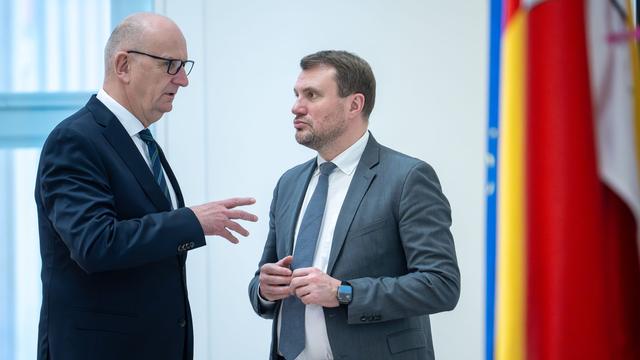
Minister-President Dietmar Woidke defended the savings. “Brandenburg needs stable finances, and that is why we have to consolidate the budget,” the Social Democrat told the dpa news agency. He said changes to existing structures should be made “with a sense of proportion,” while keeping the economy and infrastructure stable and preparing the administration for the future.
Finance Minister Daniel Keller said the government was not applying across-the-board cuts, but setting targeted priorities. The budget totals about 18.4 billion euros in 2027 and just under 18.7 billion euros in 2028, compared with 17.43 billion euros in spending this year. Keller attributed much of the increase to higher civil-service pay, greater funding for municipalities and rising social-assistance costs.
The two-year plan includes about 1.35 billion euros in new borrowing, along with roughly 1.36 billion euros in financial transactions to increase the investment bank’s equity. Keller said those transactions do not constitute debt because the assets remain state property. The state parliament will take up the draft, with the first reading scheduled for Sept. 16.
With a sense of proportion
About this summary
Originally published by Die Zeit in German. Translated, summarized, and contextualized automatically by DistantNews, with a note on how the source frames the story. Not individually reviewed before publishing. How this works.
More Stories

From Our Blog

What Gets Lost (and Found) When News Is Translated

How the Same Story Looks Different in Different Countries

The Critical Role of Diaspora Media in Global News

What Travellers Should Know About Countries with Restricted Press

A Digital Nomad's Guide to Following Local News
