


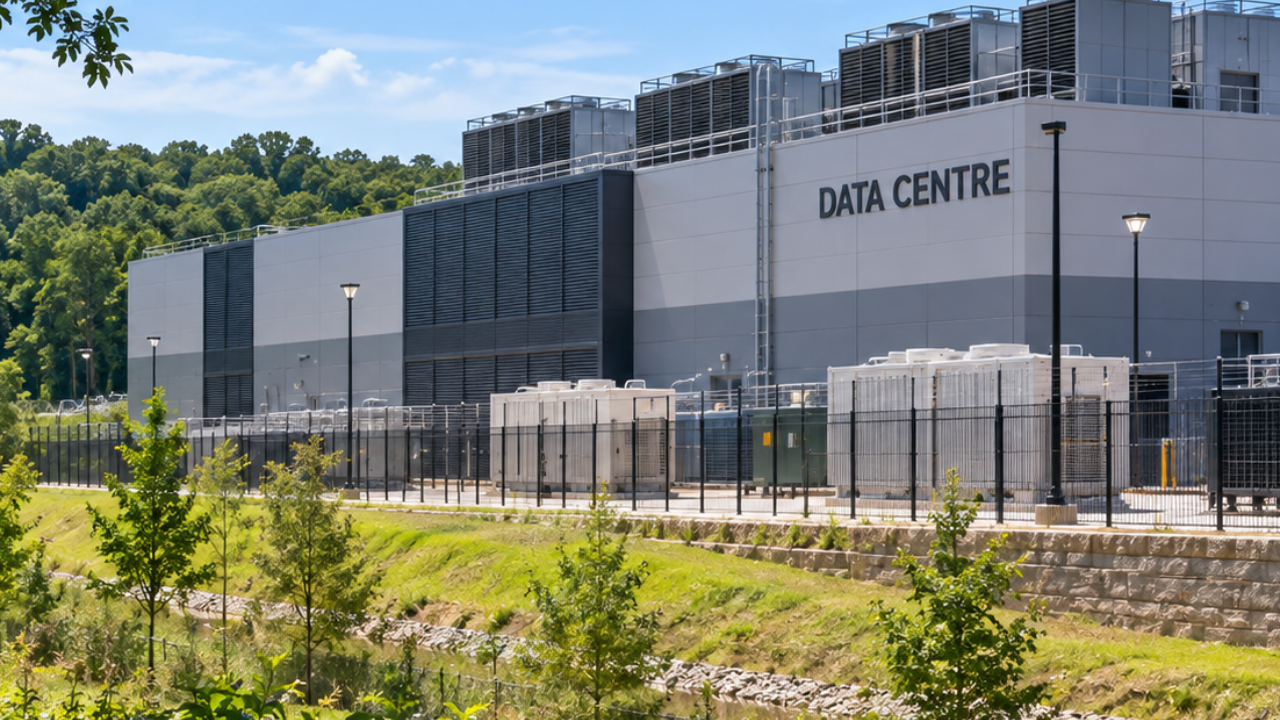

Brazil planted eucalyptus for pulp. Forty-five years later, groundwater had fallen 4.5 metres
Translated from English and summarized by DistantNews. Read the original for the full story.
At a glance
In-depth
Documents & data
Context piece
- Researchers in Turmalina, Minas Gerais, found groundwater levels had declined by 4.5 metres over about 45 years in a major eucalyptus-growing region.
- Rural communities in Minas Gerais and Bahia say streams have weakened and water has become harder to find, with some residents calling the plantations a “green desert.”
- The findings have intensified debate over whether industrial forests can remain sustainable when they replace diverse vegetation across large areas.
Brazil’s eucalyptus industry promised fast-growing trees, pulp and a renewable supply for the global paper market. Across parts of Bahia and Minas Gerais, that promise has reshaped the landscape with vast plantations.
Now, scientists have found that groundwater levels in Turmalina, Minas Gerais, fell by 4.5 metres over roughly 45 years. The finding has added force to concerns raised by rural communities, which say streams have weakened and water has become more difficult to find.
In Bahia, residents have described the extensive plantations as a “green desert.” The phrase captures concerns about biodiversity, farming and water in areas where diverse vegetation has been replaced by large stands of the same fast-growing species.
Eucalyptus remains commercially attractive because it grows quickly, can be harvested relatively soon and then replanted. That cycle allows companies to maintain a continuous wood supply for pulp and paper production, serving both domestic industries and international markets.
But intensively managed plantations are designed primarily for timber production, unlike natural forests, which contain many layers of vegetation. That difference can alter how an ecosystem handles rainfall. Water may run off, be absorbed by vegetation and soil, or eventually replenish underground reserves.
Eucalyptus trees also draw water from the soil and release it into the atmosphere through evapotranspiration. Research titled “Metamorphosis of the plateau: eucalyptus monoculture and land and water grabbing in Alto Jequitinhonha, Minas Gerais” found substantial differences in groundwater recharge between eucalyptus-dominated landscapes and areas of native vegetation.
The findings do not mean every eucalyptus plantation produces the same result. They do, however, add evidence to the question of whether forests planted for industry can remain sustainable when they occupy huge areas and change the movement of water through the landscape.
green desert
About this summary
Originally published by Times of India in English. Translated, summarized, and contextualized automatically by DistantNews, with a note on how the source frames the story. Not individually reviewed before publishing. How this works.
More Stories

From Our Blog

What Press Freedom Means for the News You Read

News in Translation: What Gets Lost, and How We Keep the Framing

Diaspora Media: How Communities Follow News From Home

Traveling Where the Press Is Not Free: How to Read the News There

The Digital Nomad's Guide to Local News
