



Breast cancer patients in Peru face year-long treatment delays
Translated from Spanish, summarized and contextualized by DistantNews.
At a glance
News
Named sources
Context piece
- Breast cancer patients in Peru face treatment delays of up to a year, hindering access to specialized care.
- The Peruvian public health system struggles to provide timely diagnoses and treatments, particularly for aggressive HER2-positive variants.
- Delays in approving new therapies, such as trastuzumab emtansina, exacerbate the disease's progression and reduce survival chances.
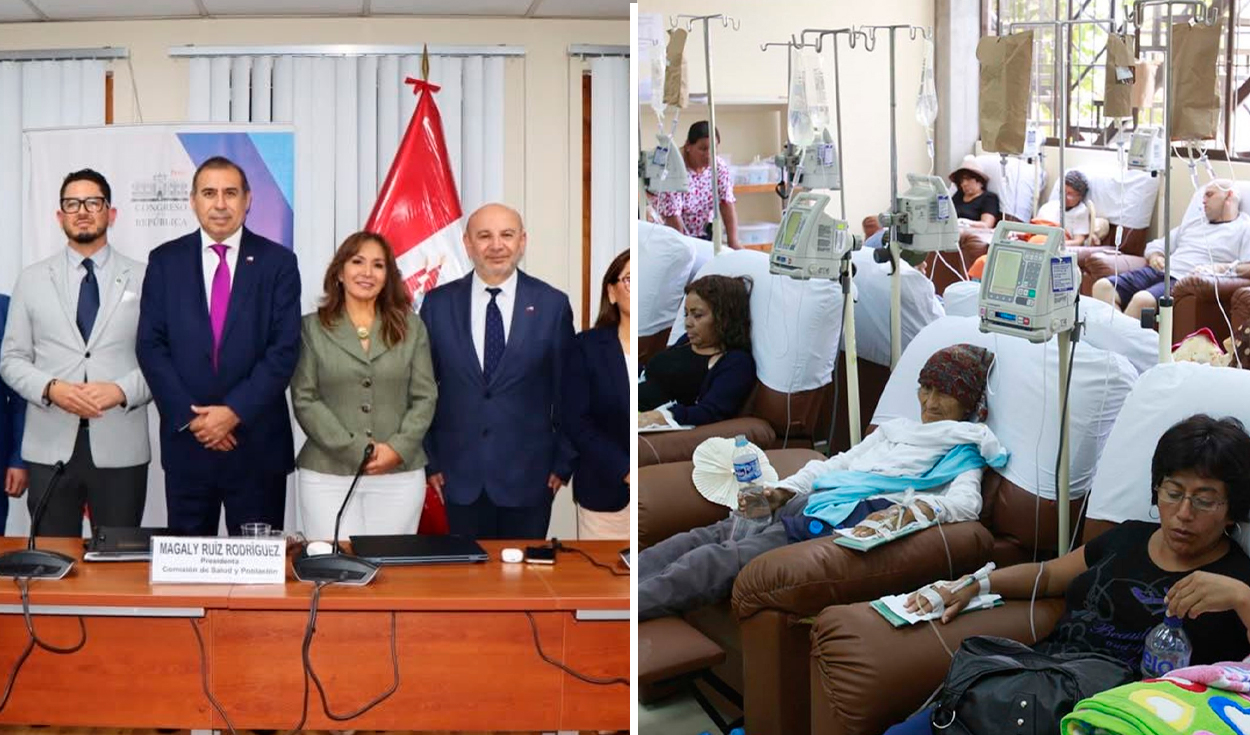
Patients battling breast cancer in Peru are sounding the alarm over significant treatment delays, with some waiting up to a year for access to specialized care. Despite medical advancements, the public health system grapples with providing timely diagnoses and treatments, especially for aggressive HER2-positive breast cancer. The situation is dire for patients with residual disease after initial treatment, who require additional therapies to reduce relapse risks. Tatiana Balbuena, president of the Palpa Mama Association, criticized the slow incorporation of early breast cancer treatments into the state system, noting that only one of seven evaluated therapies has been approved. A critical pending treatment is trastuzumab emtansina, designed for HER2-positive patients with residual disease, which aims to lower relapse rates and improve survival. Patient organizations have participated in social value assessments for this therapy, already available in countries like Brazil, Chile, Uruguay, and Argentina. However, Peru's decision remains stalled, with some evaluations pending for nearly a year, far exceeding the 45-day limit stipulated by the National Cancer Law. These delays directly impact disease progression, as patients needing different therapies after initial treatments find their cancer advancing. Balbuena warned that delayed access can diminish curability, potentially leading to metastatic disease and making a cure impossible. The uncertainty also takes a toll on patients' mental health, as fear of relapse and lack of treatment continuity weigh heavily on them.
Of the seven treatments that have been evaluated by the public system for early breast cancer, only one has been approved.
DistantNews Editorial
Originally published by La República in Spanish. Translated, summarized, and contextualized by our editorial team with added local perspective. Read our editorial standards.
More Stories


From Our Blog

What Gets Lost (and Found) When News Is Translated

The Critical Role of Diaspora Media in Global News

What Travellers Should Know About Countries with Restricted Press

A Digital Nomad's Guide to Following Local News

How the Same Story Looks Different in Different Countries
