


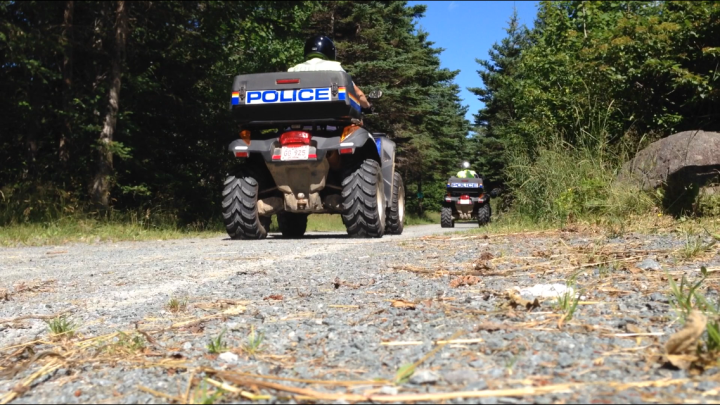
British Columbia bans off-road vehicles on Crown land amid wildfire crisis
Translated from English, summarized and contextualized by DistantNews.
At a glance
News
Sources not specified
New plan
- British Columbia has banned off-road vehicles on Crown land in several regions due to ongoing wildfires.
- The ban aims to protect public safety and prevent unintentional fire ignitions caused by recreational backcountry activities.
- The prohibition affects the Kamloops, Southeast, Coastal, and Cariboo fire centers and remains in effect until October 9, unless rescinded earlier.
British Columbia is implementing a widespread ban on off-road vehicles across significant portions of the province's Crown land. The measure, effective noon on Monday, August 10, 2026, targets recreational use of all-terrain vehicles, motorcycles, and side-by-side vehicles.
Given the scope and scale of fires currently burning in B.C., and the elevated danger ratings in many southern regions of the province, this prohibition is being put into place to further protect public safety.
The provincial government stated the ban is a necessary step to enhance public safety amid the escalating wildfire crisis. "Given the scope and scale of fires currently burning in B.C., and the elevated danger ratings in many southern regions of the province, this prohibition is being put into place to further protect public safety," the government said in a release.
The prohibition specifically targets the Kamloops, Southeast, Coastal, and Cariboo fire centers. It prohibits the operation of off-road vehicles for recreational purposes on Crown land. All on-highway vehicles must also remain on designated road surfaces. The ban does not extend to private lands or national parks, nor does it affect emergency response, agricultural, or commercial/industrial users.
The operation of any off-road vehicle for recreational purposes on Crown land will be prohibited and all on-highway vehicles must remain on road surfaces as defined in the Forest Planning and Practices Regulation.
This measure is intended to prevent potential unintentional wildfire ignitions from backcountry activities. It also aims to mitigate risks for individuals who might require evacuation assistance in remote areas where emergency response can be more complex. The ban is scheduled to remain in effect until noon PDT on October 9, 2026, or until the order is rescinded.
This is to prevent the potential for unintentional ignitions of wildfires that can be caused by backcountry activity and to mitigate the risk of being in the backcountry, where it can be more challenging and complex to receive support for evacuation if a fire started.
DistantNews Editorial
Originally published by Global News in English. Translated, summarized, and contextualized by our editorial team with added local perspective. Read our editorial standards.
More Stories



From Our Blog

What Gets Lost (and Found) When News Is Translated

The Critical Role of Diaspora Media in Global News

What Travellers Should Know About Countries with Restricted Press

A Digital Nomad's Guide to Following Local News

How the Same Story Looks Different in Different Countries
