


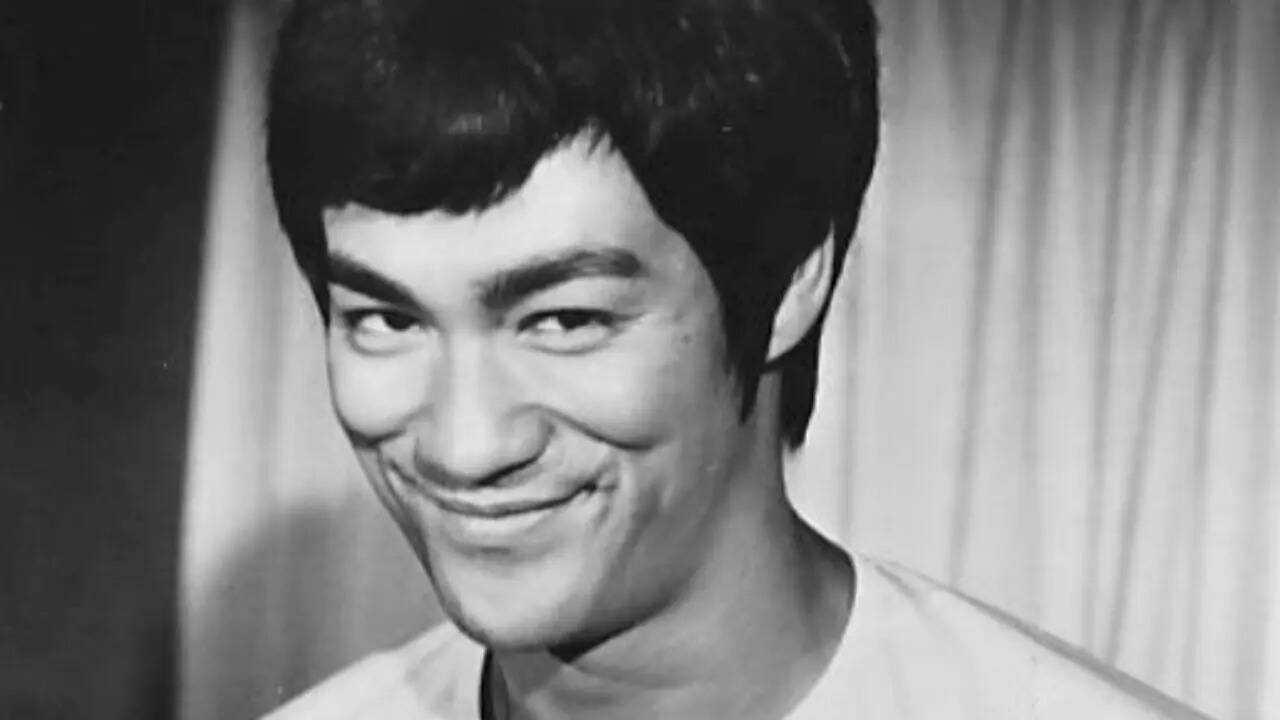
Bruce Lee quote: 'Do not pray for an easy life, pray for…' – the idea that comfort might actually be the enemy
Translated from English, summarized and contextualized by DistantNews.
At a glance
In-depth
Named sources
Context piece
- Bruce Lee believed that praying for an easy life hinders personal growth, advocating instead for the strength to endure hardship.
- He argued that avoiding difficulty prevents building true, lasting strength, which only comes from being tested.
- Lee developed these ideas during a six-month recovery period in 1970 after a severe back injury, during which he wrote extensively.
Bruce Lee challenged the common human instinct to seek comfort and ease, proposing a radical alternative: pray for the strength to endure difficulty, not for an easy life. Lee believed that a life centered on avoiding hardship ultimately prevents individuals from developing true, lasting strength. He argued that real capacity is forged only through being tested, contrasting this with the idea that wishing for ease is a form of quiet surrender.
This philosophy was deeply informed by a personal trial. In 1970, while training alone, Lee suffered a severe injury to his fourth sacral nerve. The damage rendered him bedridden for six months, a devastating blow for someone whose identity was built on physical discipline and movement. During this period of enforced stillness, Lee turned to reading, writing, and deep contemplation.
It was during this convalescence that many of the ideas that would later form "The Tao of Jeet Kune Do," published posthumously in 1975, took shape. His personal journals and notebooks from this time reveal a man working through complex ideas, drawing from Taoist philosophy and Stoic thinkers, rather than performing for an audience. The quote, "Do not pray for an easy life, pray for the strength to endure a difficult one," encapsulates his belief that resilience is built not by the absence of challenges, but by the capacity to overcome them.
Do not pray for an easy life, pray for the strength to endure a difficult one.
DistantNews Editorial
Originally published by Times of India in English. Translated, summarized, and contextualized by our editorial team with added local perspective. Read our editorial standards.
More Stories



From Our Blog

What Press Freedom Means for the News You Read

What Gets Lost (and Found) When News Is Translated

The Critical Role of Diaspora Media in Global News

What Travellers Should Know About Countries with Restricted Press

A Digital Nomad's Guide to Following Local News
