

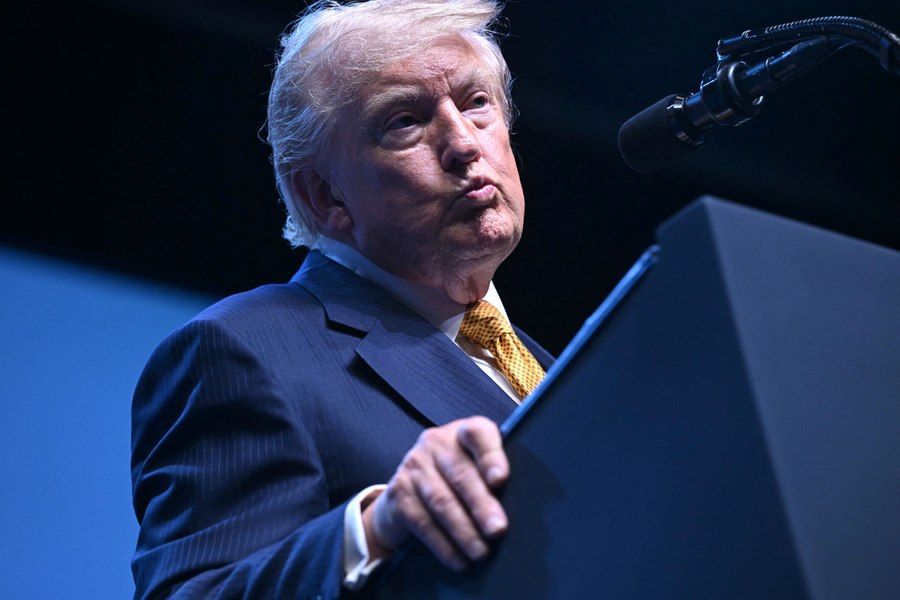

Bucharest 9 Summit: Romania's Image vs. Poland's Agenda; Expert Warns of Diminished Role
Translated from Romanian and summarized by DistantNews. Read the original for the full story.
At a glance
News
Named sources
Context piece
- The Bucharest 9 (B9) summit, focused on Eastern European security, is being held in Romania's capital.
- The summit includes leaders from NATO's eastern flank members, Nordic countries, and high-ranking US and NATO officials, with Ukrainian President Zelenskyy also attending.
- An analyst suggests Romania risks playing a secondary role to Poland, which dictates the agenda, especially if Bucharest fails to emphasize the Black Sea region and the southern flank.
Bucharest is once again at the center of European diplomacy as it hosts the Bucharest 9 (B9) summit, a crucial meeting for nations on NATO's eastern flank. This gathering, which also includes Nordic countries and high-level representatives from the US and NATO, underscores the region's heightened security concerns, particularly in light of ongoing tensions with Russia. The participation of Ukrainian President Volodymyr Zelenskyy further emphasizes the gravity of the security discussions taking place.
However, as external policy analyst Ștefan Popescu points out, Romania's role in this summit may be more about presentation than substantive agenda-setting. Popescu suggests that while Romania will undoubtedly present a 'beautiful picture' for international consumption, the strategic direction and key initiatives are likely to be driven by Poland. This dynamic raises concerns about Romania's ability to leverage the summit to advance its own regional security priorities, particularly concerning the Black Sea and the southern flank of NATO.
Romania will present a beautiful picture, but without strategic vision for the region, it will lose its role to Poland. The center of gravity and interest is on the Baltics, not the Black Sea.
Popescu's critique highlights a potential missed opportunity for Romania. By failing to proactively shape the agenda around its immediate neighborhood—the Black Sea region—Bucharest risks allowing the focus to remain on the Baltic states, where Poland's influence is stronger. The analyst views the B9 summit primarily as a consultative forum, lacking the operational power to enact significant change. He posits that the main objective for Romania in hosting might be the symbolic value and the international visibility, rather than achieving concrete strategic gains for its own security interests or those of the southern flank.
From a Romanian perspective, hosting such a high-profile event is significant, offering a platform to project influence and reaffirm its commitment to transatlantic security. Yet, the underlying concern articulated by Popescu is whether this visibility translates into tangible strategic influence or merely serves as a diplomatic photo opportunity. The summit's success, therefore, must be measured not only by the participation of leaders but by Romania's ability to steer the conversation towards its own pressing security concerns, ensuring the Black Sea region receives the attention it warrants within the broader NATO framework.
Although we discuss the security of the eastern flank, we are talking about a summit with a consultative role, without particular relevance in the absence of an executive force. Realistically, I don't think it will bring anything new. I think it will be a very beautiful photograph, undoubtedly, which will be presented to the Romanian public. And I think this is the main purpose of organizing the summit in Bucharest: the photograph.
About this summary
Originally published by Adevărul in Romanian. Translated, summarized, and contextualized automatically by DistantNews, with a note on how the source frames the story. Not individually reviewed before publishing. How this works.
More Stories
From Our Blog

News in Translation: What Gets Lost, and How We Keep the Framing

Diaspora Media: How Communities Abroad Follow Home

Traveling Where the Press Is Not Free: How to Read the News There

The Digital Nomad's Guide to Local News

The Same Story, Different Countries: How Coverage Changes at the Border
