

Bucharest mayor defends massive construction, compares scale to communist era
Translated from Romanian, summarized and contextualized by DistantNews.
At a glance
News
Named sources
Context piece
- Bucharest Mayor Ciprian Ciucu acknowledges the inconvenience caused by nearly 50 active construction sites across the city.
- He compares the current scale of infrastructure work to the communist era's mass housing projects.
- Ciucu asserts the necessity of these extensive works for the city's long-term modernization, even if unpopular.
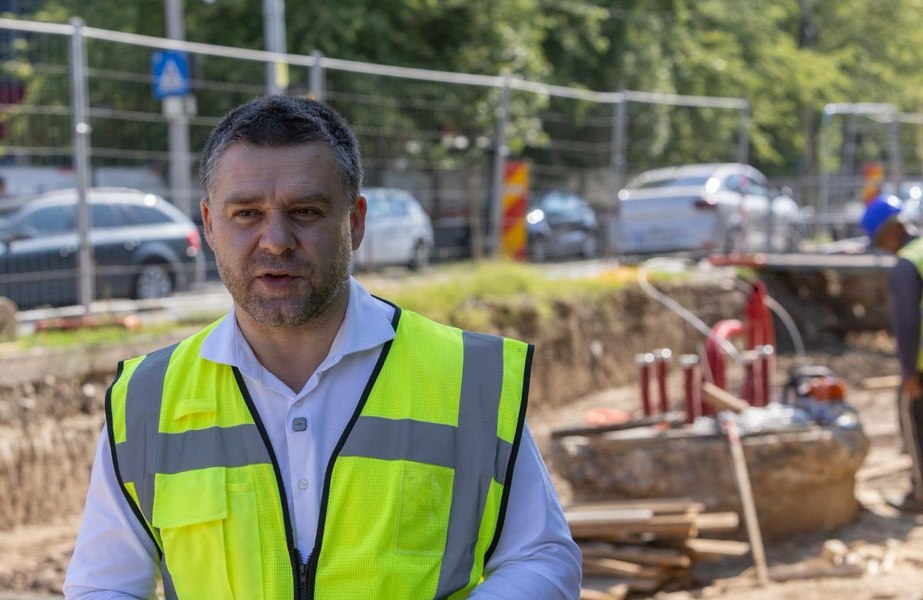
Bucharest Mayor Ciprian Ciucu is taking responsibility for the significant disruption caused by nearly 50 construction sites currently active throughout the capital. He acknowledges the discomfort these projects create for residents but insists the scale of infrastructure modernization is unprecedented since the fall of communism.
I understand that it is uncomfortable. The alternative was to do nothing. I prefer people to curse me for doing than to curse me for not doing.
Ciucu stated that the current level of construction activity is comparable only to the large-scale urbanization projects undertaken during the communist era, specifically the construction of "dormitory blocks." He drew this parallel to emphasize the magnitude of the ongoing efforts to upgrade the city's infrastructure.
The mayor explained that approximately 50 sites are operational, with 12 focused on modernizing tram lines. The remaining projects involve essential upgrades to heating networks, road infrastructure, and other major investments. Some sites are expected to be completed by year-end, while more complex projects, particularly those involving underground networks for water, sewage, energy, and gas, will require longer execution periods.
So much has been built in Bucharest when the communists built the dormitory blocks.
Ciucu defended the extensive work, stating that it will prevent further interventions for the next 40 to 50 years. "The alternative was to do nothing," he said, preferring to face public criticism for action rather than inaction. He also highlighted the critical need to rehabilitate the city's aging tram infrastructure, noting that the poor condition of the tracks is damaging newly acquired trams and increasing maintenance costs.
Those expensive trams that the Capital City Hall bought are breaking down, falling apart. It costs us much more because we don't have tram tracks. They are almost running on concrete.
DistantNews Editorial
Originally published by Adevărul in Romanian. Translated, summarized, and contextualized by our editorial team with added local perspective. Read our editorial standards.
More Stories


From Our Blog

What Gets Lost (and Found) When News Is Translated

The Critical Role of Diaspora Media in Global News

What Travellers Should Know About Countries with Restricted Press

A Digital Nomad's Guide to Following Local News

How the Same Story Looks Different in Different Countries
