

Buenos Aires hosts Festival Urgente for journalistic books
Translated from Spanish, summarized and contextualized by DistantNews.
At a glance
In-depth
Named sources
New plan
- Buenos Aires is hosting the second annual Festival Urgente of journalistic books, organized by the city's Ministry of Culture.
- The festival, free and open to the public, features prominent journalists discussing various topics, including the impact of artificial intelligence on the profession.
- Organizers aim to promote journalistic books and foster debate about the challenges and future of journalism amidst technological changes.
The second annual Festival Urgente of journalistic books is underway in Buenos Aires, organized by the city's Ministry of Culture and coordinated by journalist Silvia Mercado. Following last year's successful event at the Ricardo Güiraldes Library, this year's festival takes place at the Casa de la Cultura, near the Casa Rosada, from Thursday to Saturday, with free admission.
We launched it last year with the aim of positioning the journalistic book; that's why the festival is launched from the General Directorate for the Promotion of Books, Libraries and Culture of the city of Buenos Aires. Despite the economic situation, which is difficult in the publishing industry, as in any other industry at this moment, the journalistic book continues to be produced, journalists continue to produce, journalists continue to debate and continue to think about our work amidst very complex challenges related to technology.
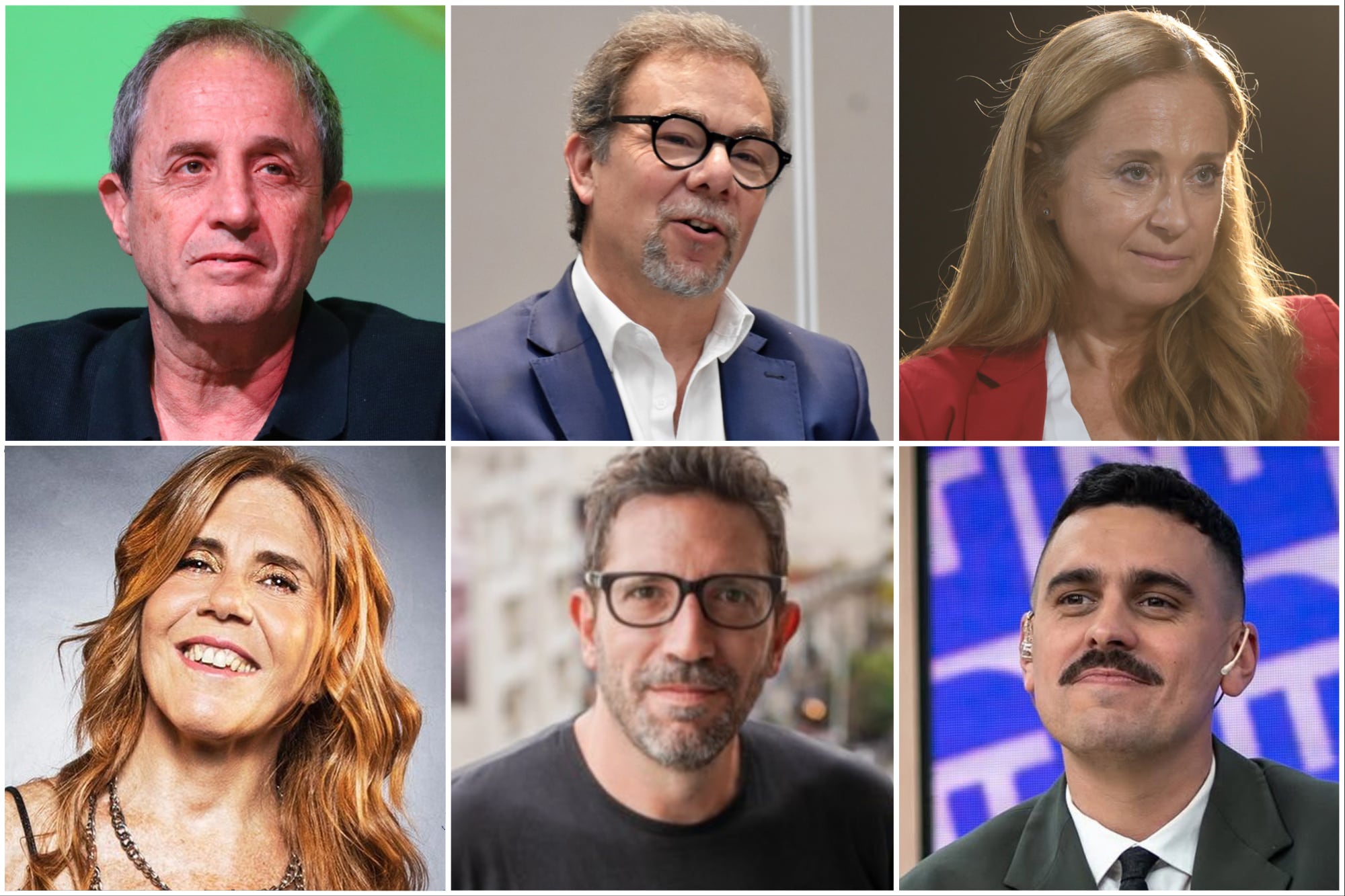
The festival brings together a diverse group of journalists, including Ernesto Tenembaum, Jairo Straccia, Irina Hauser, and Pablo Sirvén, among many others. Participants will cover a range of topics, from generalist reporting to specialized areas like ecology, religion, sports, and international politics. A photographic exhibition, "50 years of the military coup," curated by Argra, is also on display.
Silvia Mercado highlighted the festival's objective to promote journalistic books, noting that despite economic challenges in the publishing industry, journalists continue to produce significant work. A key theme for this year's discussions is the impact of artificial intelligence on journalism. Mercado emphasized the high quality and quantity of journalistic books produced in Argentina, describing it as unusual within the Spanish-speaking world.
There is a great production of books by journalists in the country, something atypical in the Spanish language, for its quality and quantity.
Mercado described journalism as being at a "decisive moment" of profound change, affecting its relationship with power and the profession's tools. She stated, "With mistakes, journalists are the uncomfortable witnesses of what is being hidden. We have problems, but we resist. We do not conceive of life without this craft that we live passionately... We bother, but everyone pays attention to our work. And we do not give up."
journalism is going through decisive moments, of profound changes, both in its relationship with power and in the challenges of a profession that sees its context and tools modified almost daily.
One notable session on Thursday evening, following Mercado's interview with Jairo Straccia, will focus on "When power distills violence. Language, politics, and conflict in contemporary Argentina," inspired by President Javier Milei's recent insults and threats towards the press. The discussion will feature Pablo Sirvén, Astrid Pikielny, Lautaro Maislin, and Patricio López D’Angelo.
With mistakes, journalists are the uncomfortable witnesses of what is being hidden. We have problems, but we resist. We do not conceive of life without this craft that we live passionately, now with the help of the population through social networks. We bother, but everyone pays attention to our work. And we do not give up.
DistantNews Editorial
Originally published by La Nación in Spanish. Translated, summarized, and contextualized by our editorial team with added local perspective. Read our editorial standards.
More Stories


From Our Blog

What Gets Lost (and Found) When News Is Translated

The Critical Role of Diaspora Media in Global News

What Travellers Should Know About Countries with Restricted Press

A Digital Nomad's Guide to Following Local News

How the Same Story Looks Different in Different Countries
