


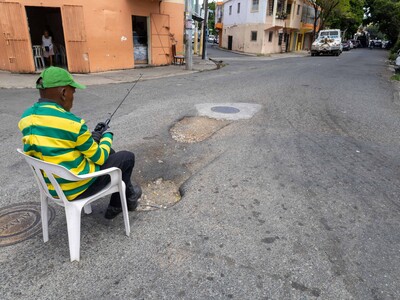

Build, abandon and rebuild: The vicious cycle of public works
Translated from Spanish and summarized by DistantNews. Read the original for the full story.
At a glance
Analysis
Sources not specified
Context piece
- Governments have often opened public works without securing the resources needed for long-term maintenance.
- Deterioration can eventually force the state to repair, fully rehabilitate, rebuild or demolish infrastructure.
- The Santo Domingo 2026 Central American and Caribbean Games facilities are cited as a recent example, with about 9 billion pesos allocated for 16 sports complexes and a new pavilion.
For decades, governments have followed the same pattern: build public works, inaugurate them and then leave maintenance aside. By the time deterioration becomes impossible to ignore, a simple repair no longer suffices. The state must rehabilitate the facility, rebuild it or even demolish it and start again.
That culture creates a costly loop in which the government pays several times for the same infrastructure. Sports facilities, treatment plants, aqueducts, hospitals, public buildings, monuments, bridges, roads and buses have all required new investment after years of deterioration or neglect.
The latest example cited is the infrastructure for the 2026 Central American and Caribbean Games in Santo Domingo. The government allocated about 9 billion pesos to intervene in 16 sports complexes and build a new pavilion.
The article notes that the amount includes modifications needed to meet the event's standards, but the supplied text ends before providing further details about the spending. The broader concern is the bill generated when maintenance is postponed until reconstruction becomes necessary.
About this summary
Originally published by Diario Libre in Spanish. Translated, summarized, and contextualized automatically by DistantNews, with a note on how the source frames the story. Not individually reviewed before publishing. How this works.
More Stories


From Our Blog

News in Translation: What Gets Lost, and How We Keep the Framing

Diaspora Media: How Communities Follow News From Home

Traveling Where the Press Is Not Free: How to Read the News There

The Digital Nomad's Guide to Local News

The Same Story, Different Countries: How Coverage Changes at the Border
