


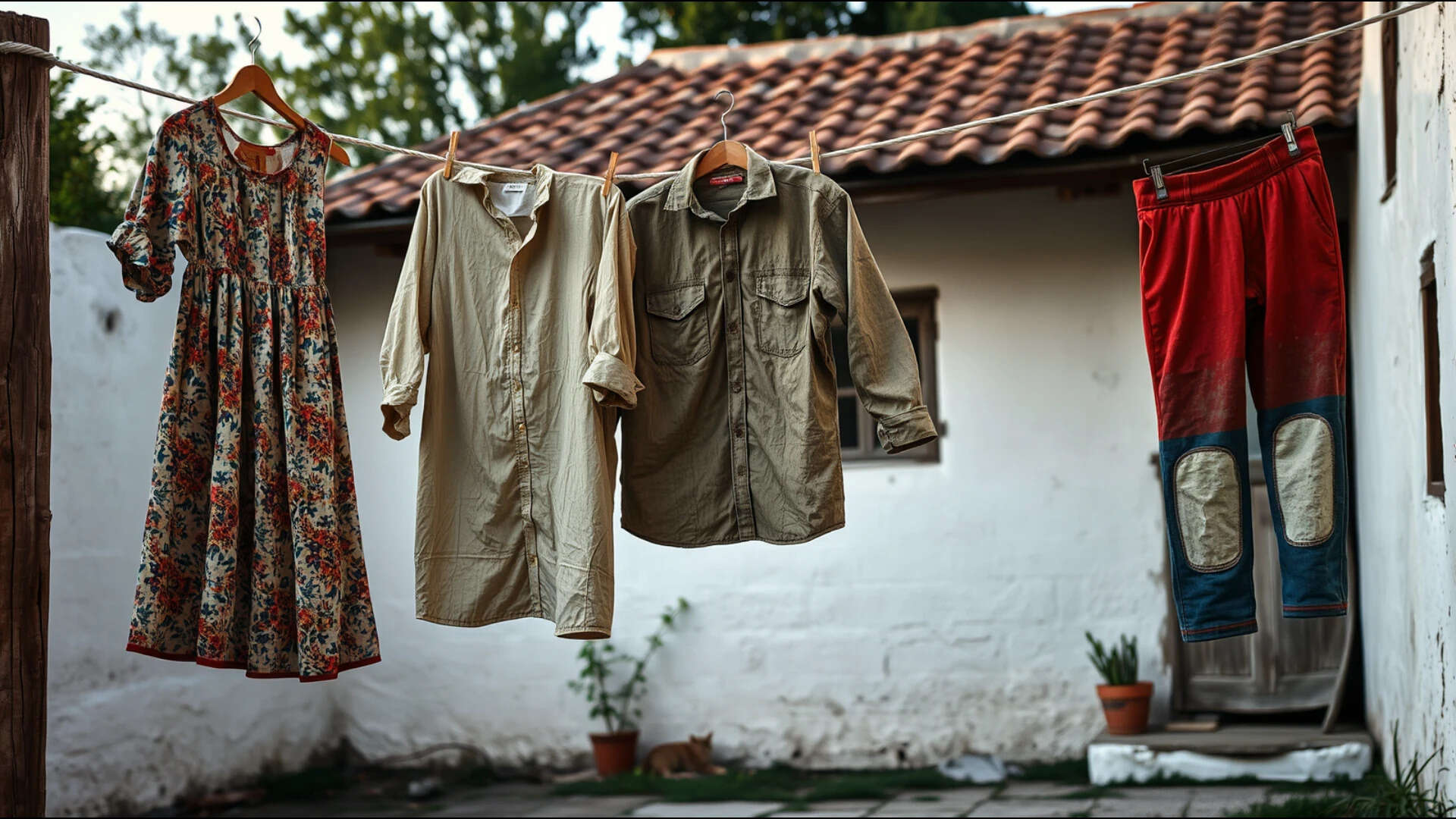
Bulgarian proverb teaches value of patching old cloth for new
Translated from English, summarized and contextualized by DistantNews.
At a glance
In-depth
Sources not specified
Context piece
- A Bulgarian proverb, "If you don't patch your old cloth, you will not wear a new one," offers wisdom on sustainability and resource management.
- The saying reflects Bulgaria's rural tradition, emphasizing prudence, self-reliance, and the value of labor in a society where waste could lead to hardship.
- It teaches that neglecting existing possessions hinders the ability to acquire or manage better things, highlighting the importance of character development through consistent care and responsible conduct.
A traditional Bulgarian proverb, "If you don't patch your old cloth, you will not wear a new one," encapsulates a profound philosophy on sustainability, patience, and the responsible management of resources. Rooted in Bulgaria's long rural history, this saying moves beyond its literal meaning of repairing clothing to offer a broader life lesson.
For centuries, Bulgarian communities relied on careful stewardship of resources. In a world where waste could mean severe hardship, especially during difficult winters, repairing garments was not just a chore but a demonstration of foresight, discipline, and respect for the labor invested. Clothing was handmade, requiring extensive effort from spinning wool to sewing, making discarding items due to minor tears impractical and morally questionable.
Garments were often used for decades, passed down through generations, and only repurposed as cleaning rags or quilt pieces when truly beyond repair. This practice underscored the value of labor and discouraged wastefulness. The proverb suggests that those who neglect what they already possess are unlikely to deserve or successfully manage anything better in the future.
Ultimately, the proverb shifts focus from the object to the individual's habits. It posits that success is not a matter of luck but a reward for consistent care and responsible conduct. The habit of maintaining existing possessions cultivates the character necessary to acquire and benefit from future opportunities, resonating with modern calls for sustainable fashion and mindful consumption.
DistantNews Editorial
Originally published by Times of India in English. Translated, summarized, and contextualized by our editorial team with added local perspective. Read our editorial standards.
More Stories



From Our Blog

What Press Freedom Means for the News You Read

What Gets Lost (and Found) When News Is Translated

The Critical Role of Diaspora Media in Global News

What Travellers Should Know About Countries with Restricted Press

A Digital Nomad's Guide to Following Local News
