

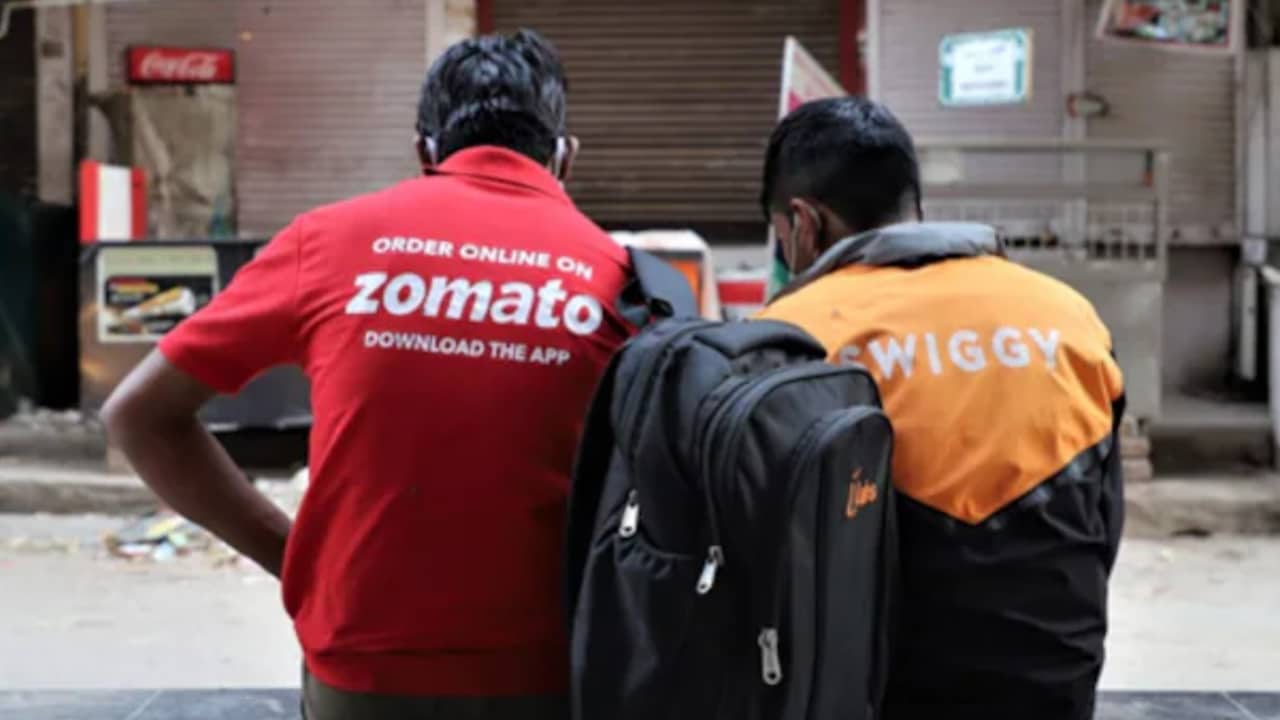

Bulk sale ban, cap on diesel at pumps
Summarized and contextualized by DistantNews.
At a glance
News
Named sources
New plan
- India has banned bulk sales of fuel and capped daily diesel purchases at pumps to curb revenue losses for state-run oil companies.
- The measures aim to ensure fuel availability for genuine customers and prevent resale due to price differences.
- These actions are part of broader government efforts to secure fuel supplies amid global disruptions.
India has implemented a ban on bulk fuel sales and imposed a daily cap of 200 liters per vehicle on diesel purchases at petrol pumps. This move, invoked under the Essential Commodities Act, aims to mitigate revenue losses for state-run oil companies, even as international crude prices have fallen.
The government order prohibits industrial and commercial entities from obtaining petrol or diesel from retail outlets, directing them to source fuel from their own consumer pumps. Diesel sales are particularly rationed, with strict limits on container sales and a prohibition on resale. The order is effective for a maximum of three months.
Officials cited the need to ensure fuel availability for regular customers and to prevent the diversion of auto fuels, driven by significant price disparities between pump prices and bulk-sale rates. Diesel at Delhi pumps costs ₹95.20 per liter, while bulk sales are priced at ₹134.50 per liter. Even with falling international crude prices, state-run companies were incurring losses on fuel sales.
These measures follow a series of government actions to maintain fuel supply, including prioritizing cooking gas for households and offering excise duty exemptions for ethanol blending with petrol. India, heavily reliant on crude oil imports, has also intensified domestic exploration and production efforts, resolving a long-standing inter-state deadlock over oil and gas exploration blocks between Nagaland and Assam.
DistantNews Editorial
Originally published by Hindustan Times. Summarized and contextualized by our editorial team with added local perspective. Read our editorial standards.
More Stories


From Our Blog

What Press Freedom Means for the News You Read

What Gets Lost (and Found) When News Is Translated

The Critical Role of Diaspora Media in Global News

What Travellers Should Know About Countries with Restricted Press

A Digital Nomad's Guide to Following Local News
