

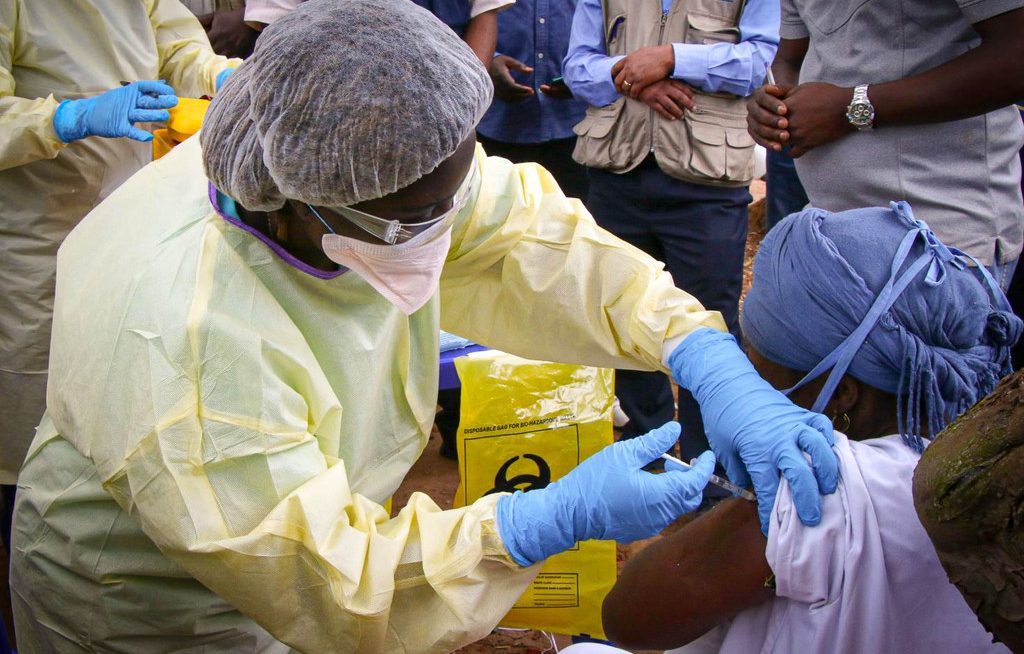

Burkina Faso health ministry bans turning away patients without evaluation
Translated from French, summarized and contextualized by DistantNews.
At a glance
News
Official statement
New plan
- Burkina Faso's Ministry of Health has banned health facilities from turning away patients without prior clinical evaluation.
- Saturation of services or lack of beds can no longer justify the automatic transfer of patients to other centers.
- The measure aims to prevent patients from facing dismissive treatment and ensures stabilization before any potential transfer.
In a significant move to protect patient welfare, Burkina Faso's Ministry of Health has issued a directive prohibiting health facilities from refusing care to patients without a prior clinical assessment. This new regulation addresses a critical issue where patients were often turned away due to service saturation or a lack of available beds.
The ministry's decree explicitly states that neither service overload nor bed unavailability can serve as justification for the automatic transfer of a patient to another health center. This policy aims to ensure that all individuals seeking medical attention receive at least an initial evaluation, preventing them from being left without care.
If a transfer is deemed necessary after the initial clinical stabilization, it must be conducted under specific conditions. This ensures that patients are not subjected to dismissive treatment and that their immediate medical needs are addressed before any relocation is considered. The measure is being widely welcomed as a necessary step to improve the quality of care and patient experience within the country's healthcare system.
"It was time!" exclaimed observers, highlighting the long-standing problem of patients facing unwelcoming treatment in healthcare settings. The ministry's decision is seen as a crucial intervention to uphold the fundamental right to healthcare and ensure that all citizens receive timely and appropriate medical attention, regardless of the circumstances at the facility they first approach.
DistantNews Editorial
Originally published by Le Pays in French. Translated, summarized, and contextualized by our editorial team with added local perspective. Read our editorial standards.
More Stories

From Our Blog

What Gets Lost (and Found) When News Is Translated

The Critical Role of Diaspora Media in Global News

What Travellers Should Know About Countries with Restricted Press

A Digital Nomad's Guide to Following Local News

How the Same Story Looks Different in Different Countries
