


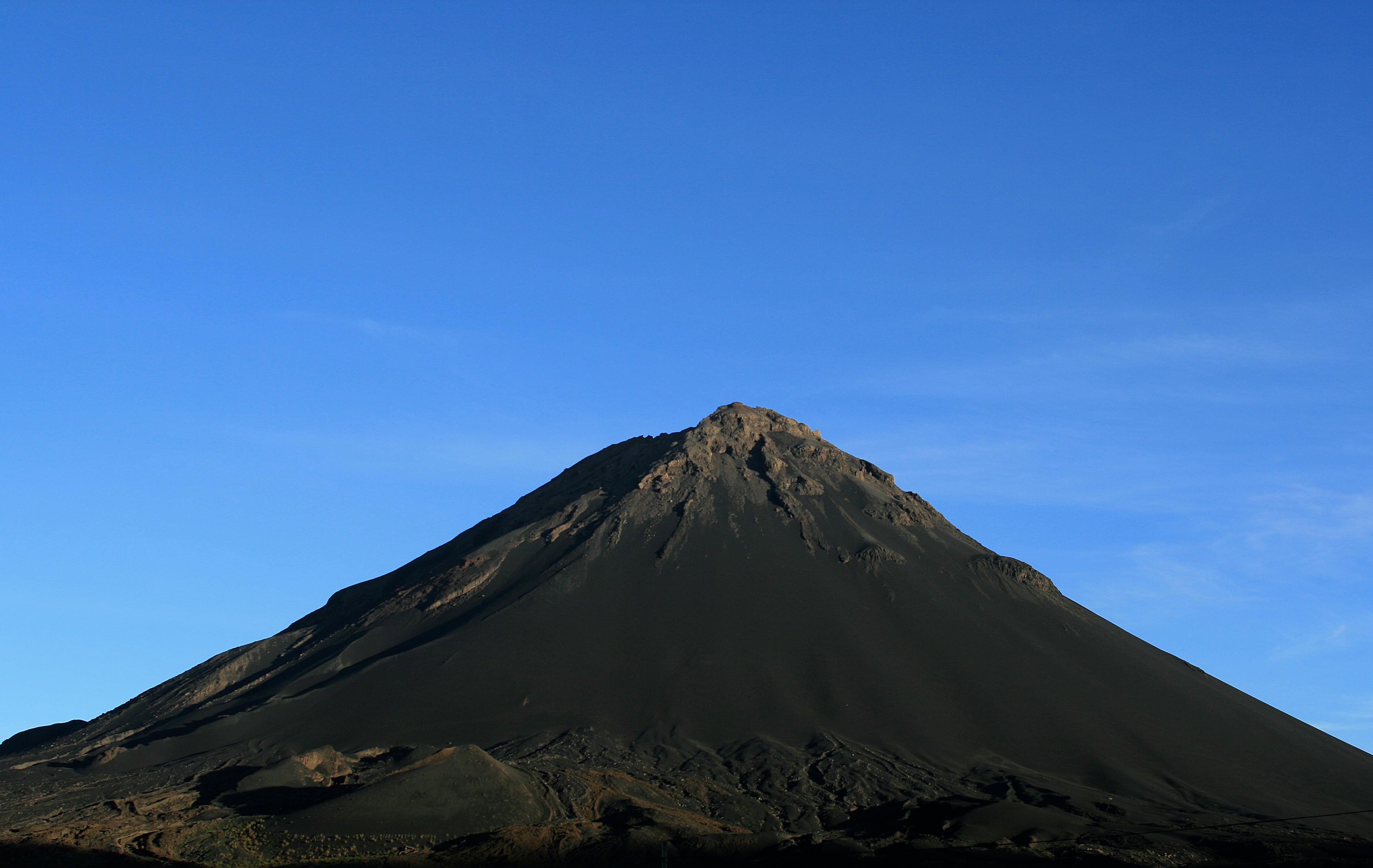
Cabo Verde: A Village Reborn from Volcanic Ashes
Translated from Spanish, summarized and contextualized by DistantNews.
At a glance
In-depth
Sources not specified
Context piece
- Cabo Verde, an island nation off West Africa, is home to the resilient community of Chã das Caldeiras.
- This village, located within the caldera of the Fogo volcano, faces constant threats from eruptions but residents choose to stay due to fertile land, tourism, and a strong sense of belonging.
- Despite severe damage from a 2014 eruption, the community rebuilt their homes, defying official advice due to their deep connection to the land.
The island nation of Cabo Verde, an archipelago of volcanic islands off the western coast of Africa, is home to a community that embodies resilience and a profound connection to their land. Chã das Caldeiras, a village of 950 inhabitants situated within the caldera of the country's most imposing volcano, Pico Do Fogo, faces recurrent eruption threats.
Despite the inherent risks, residents remain. They are drawn by the fertile volcanic soil, the allure for tourists, and the availability of water. However, a powerful sense of belonging appears to outweigh the fear of natural disasters. The community has endured over 25 eruptions in its recent history, with the 2014 event forcing evacuations and causing severe material damage.
It was difficult to see the village destroyed, the people lost everything.
"It was difficult to see the village destroyed, the people lost everything," stated Ecofunco, a local hotel, to La Nación. The eruption, which began in November 2014 and lasted nearly three months, devastated agricultural and viticultural lands. Following the disaster, residents were temporarily relocated but returned to Chã das Caldeiras within four months.
This return was not officially sanctioned. The Cabo Verdean government had advised against rebuilding in the high-risk zone due to the significant costs associated with repeated evacuations. Nevertheless, the inhabitants chose to return, driven by their deep-rooted ties to the area. "The hardest part was recovering the life we had in the town," recalled tour guide Antonio Monteiro, noting that some managed to salvage parts of their buildings.
The hardest part was recovering the life we had in the town.
DistantNews Editorial
Originally published by La Nación in Spanish. Translated, summarized, and contextualized by our editorial team with added local perspective. Read our editorial standards.
More Stories

From Our Blog

What Gets Lost (and Found) When News Is Translated

The Critical Role of Diaspora Media in Global News

What Travellers Should Know About Countries with Restricted Press

A Digital Nomad's Guide to Following Local News

How the Same Story Looks Different in Different Countries
