


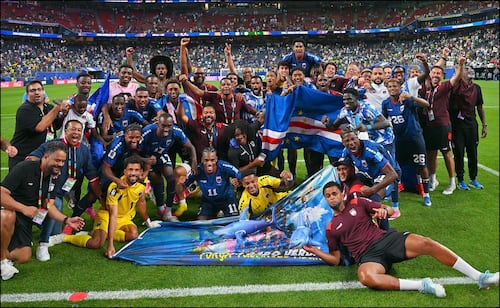
Cabo Verde: The Only Team to Draw With Both World Cup Finalists in 2026
Translated from Spanish, summarized and contextualized by DistantNews.
At a glance
News
Sources not specified
Outcome reported
- Cabo Verde achieved a unique distinction in the 2026 North American World Cup by being the only team to draw with both finalists, Spain and Argentina.
- The small island nation, with just over 500,000 inhabitants, held Spain to a 0-0 draw and lost to Argentina 3-2 in extra time.
- Despite their elimination in the round of 16, Cabo Verde's performance earned them widespread admiration.
In a World Cup tournament often filled with predictable outcomes, the small island nation of Cabo Verde has written a story worthy of a sports film. Despite a population of just over 500,000, the team defied expectations at the 2026 North American World Cup, achieving a remarkable feat: they were the only nation to avoid defeat in regulation time against both of the tournament's finalists, Spain and Argentina. Their journey ended in the round of 16, where they were eventually overcome by Argentina in extra time with a narrow 3-2 loss. However, their earlier performances against the two titans of the tournament have captured global attention. In their opening match against Spain, Cabo Verde's defense proved impenetrable. Goalkeeper Vozinha and his teammates held the Spanish attack at bay, securing a commendable 0-0 draw. This defensive solidity surprised many and set the tone for their unexpected success. Following this, Cabo Verde surprised many by advancing from their group as runners-up. They then gifted the world one of the most thrilling matches of the competition against Argentina. Even with Lionel Messi and his star-studded squad, Argentina could not break down Cabo Verde's resolve within the standard 90 minutes. The match ultimately went into extra time, where Argentina secured their victory. This remarkable achievement highlights the spirit and determination of the Cabo Verdean team, proving that passion and tactical discipline can challenge even the world's footballing giants.
DistantNews Editorial
Originally published by El Universal in Spanish. Translated, summarized, and contextualized by our editorial team with added local perspective. Read our editorial standards.
More Stories


From Our Blog

What Press Freedom Means for the News You Read

What Gets Lost (and Found) When News Is Translated

The Critical Role of Diaspora Media in Global News

What Travellers Should Know About Countries with Restricted Press

A Digital Nomad's Guide to Following Local News
