

Calgary air quality among world's worst due to wildfire smoke
Translated from English, summarized and contextualized by DistantNews.
At a glance
News
Sources not specified
Context piece
- Calgary experienced some of the worst air quality globally on Friday due to wildfire smoke.
- The city's Air Quality Health Index reached a "very high risk" level, exceeding that of many other major international cities.
- Health risks associated with poor air quality include exacerbating respiratory conditions like asthma and COPD.
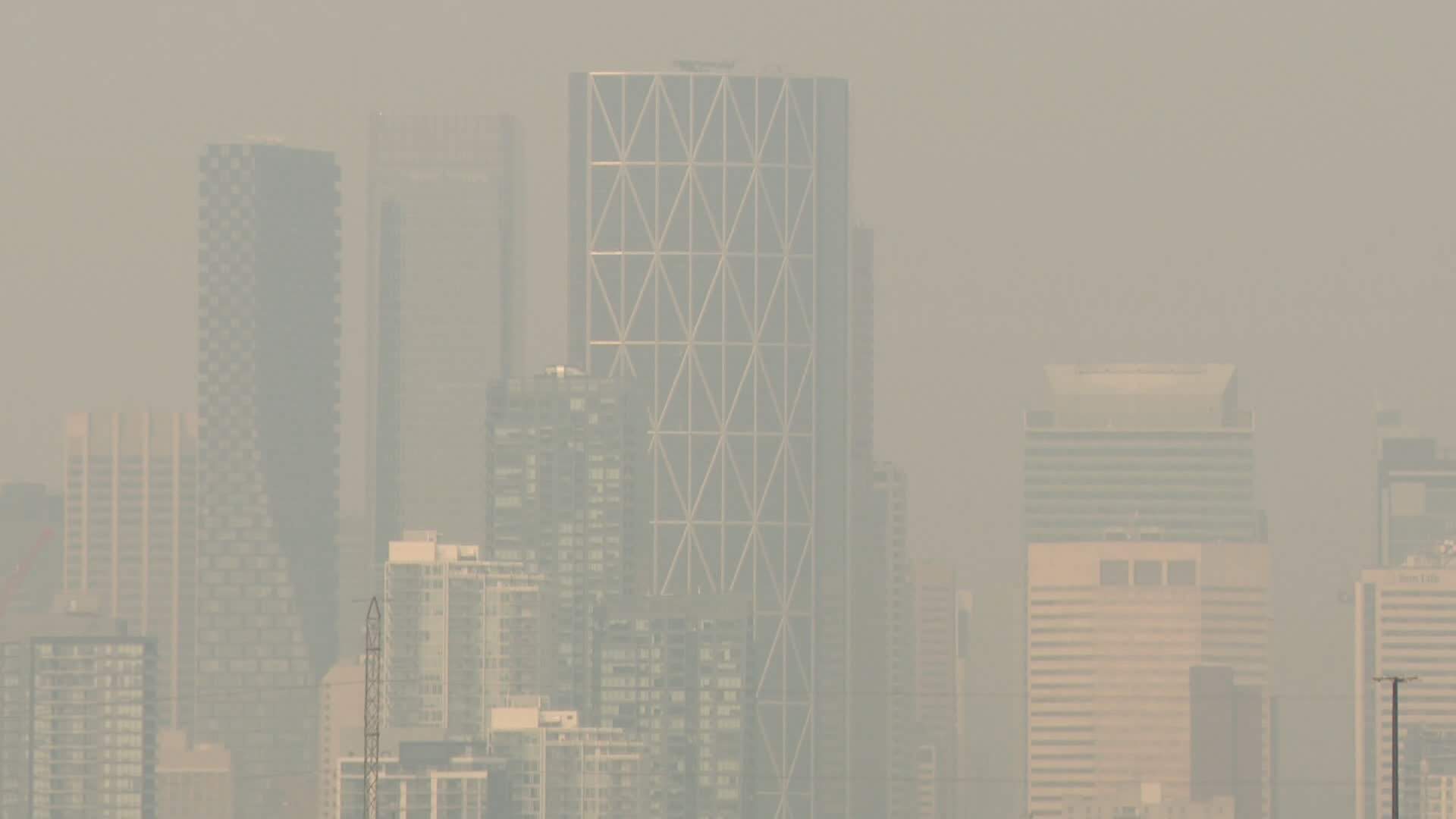
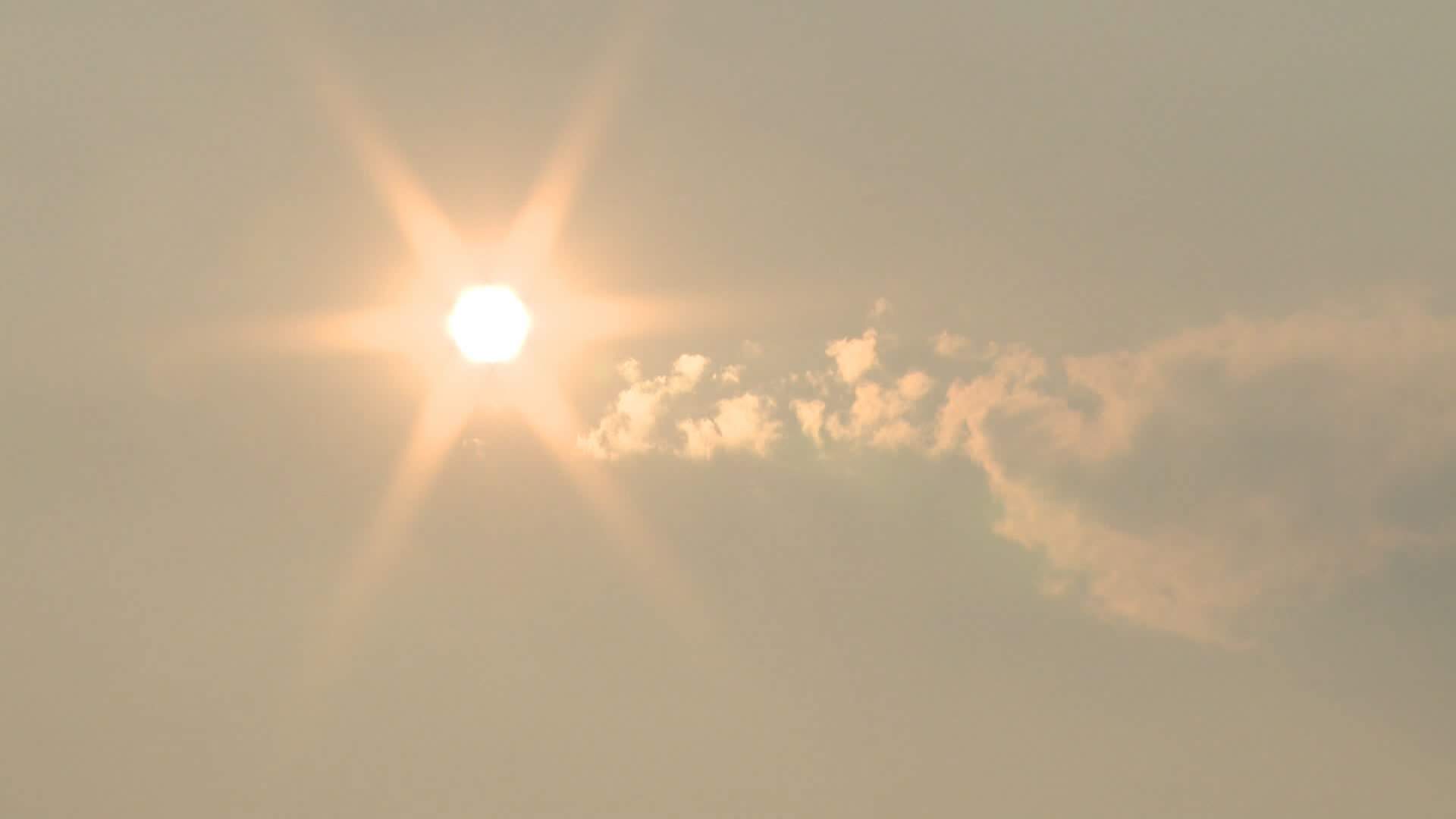
Calgary's air quality plummeted on Friday, ranking among the worst in the world due to a thick blanket of wildfire smoke. Measurements by IQAir, a Swiss air quality technology company, placed the city's air among the planet's most polluted.
Environment Canada's Air Quality Health Index (AQHI) registered Calgary at a "very high risk" level (10+). This index measures pollutants harmful to health, including ground-level ozone, nitrogen dioxide, and particulate matter. While Edmonton and Lethbridge saw moderate air quality, Red Deer also experienced a "very high risk."
very high risk
Canadian communities, including Ashcroft, B.C., Airdrie, Alta., and Calgary itself, registered worse air quality than major international hubs like Lahore, Delhi, and Beijing. Calgary's AQHI of 10+ placed it particularly high on the list of cities with the worst air on Earth.
Environment Canada issued "orange" air quality alerts for a significant portion of western and central Alberta. These alerts signify widespread health impacts expected to last several days. Dr. Anne Hicks, a pediatric respirologist, warned that poor air quality can trigger asthma and COPD attacks, increase the risk of respiratory infections, and even raise the likelihood of strokes.
Poor air quality is harmful to us. It can cause asthma and COPD [chronic obstructive pulmonary disease] attacks. It increases your risk of being really sick with a respiratory infection … It can even increase the risk of stroke in people.
DistantNews Editorial
Originally published by Global News in English. Translated, summarized, and contextualized by our editorial team with added local perspective. Read our editorial standards.
More Stories
From Our Blog

What Gets Lost (and Found) When News Is Translated

The Critical Role of Diaspora Media in Global News

What Travellers Should Know About Countries with Restricted Press

A Digital Nomad's Guide to Following Local News

How the Same Story Looks Different in Different Countries
