


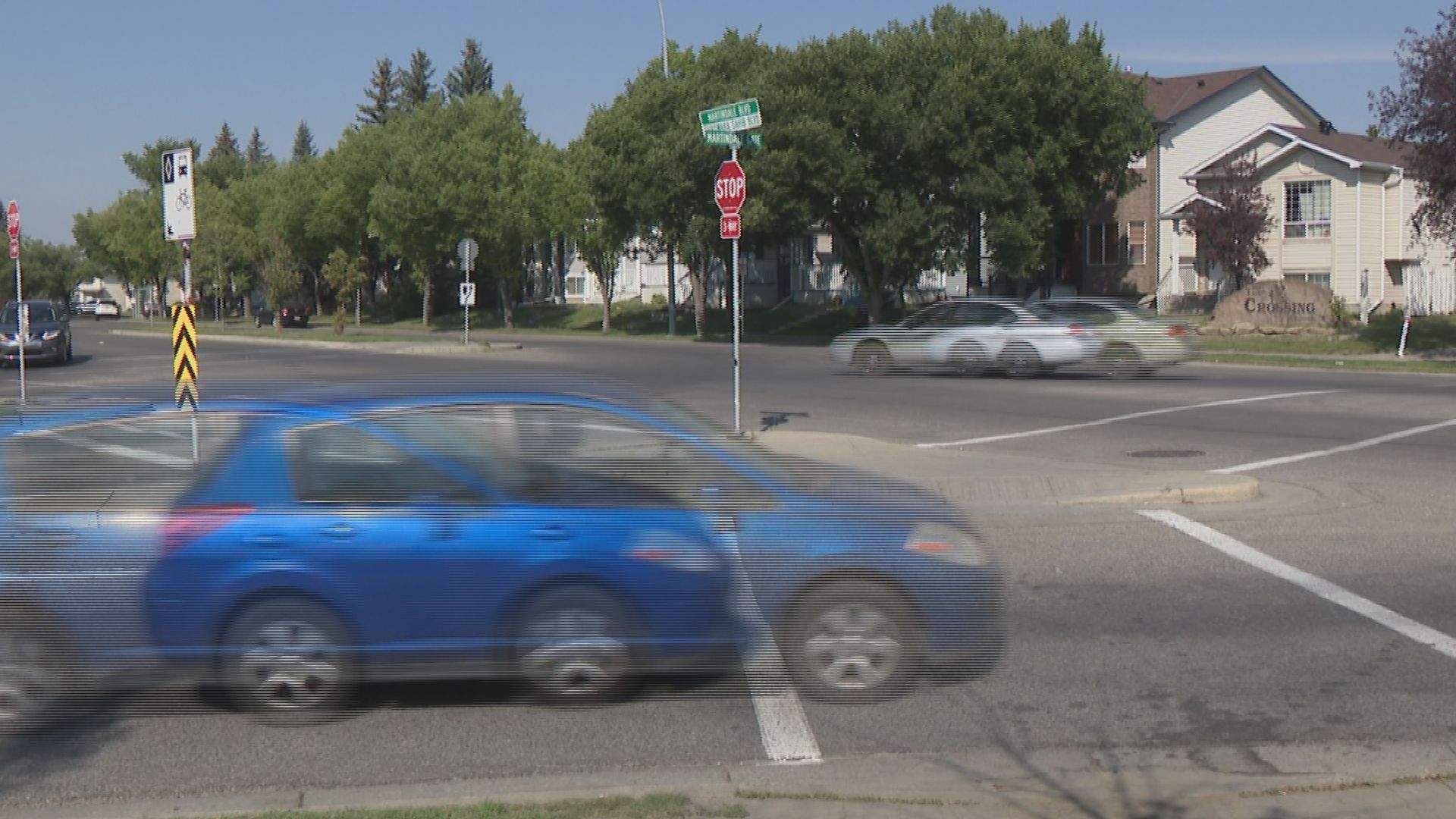
Calgary Uses AI to Identify 50 High-Risk Pedestrian Intersections
Translated from English and summarized by DistantNews. Read the original for the full story.
At a glance
News
Named sources
New plan
- Calgary has used an AI platform to assess over 17,000 intersections, identifying the 50 highest-risk locations for pedestrians.
- Many identified intersections do not meet traditional criteria for upgrades like traffic signals.
- Only 26 of the high-risk locations are recommended for safety improvements, estimated to cost $6 million, raising questions about the city's response.
The City of Calgary is leveraging artificial intelligence to enhance pedestrian safety by identifying the most perilous intersections across the city. An AI platform analyzed more than 17,000 intersections, assigning risk scores to pinpoint the top 50 locations posing the greatest danger to pedestrians.
However, the city faces a challenge as many of these high-risk intersections do not meet conventional thresholds for safety upgrades, such as the installation of traffic signals or other traffic calming measures. These traditional criteria typically rely on factors like traffic volume, pedestrian counts, road geometry, and speed limits.
The AI platform identified specific intersections like Martindale Boulevard and Martindale Gate N.E., which topped the list with a risk score of 99.02, and Falshire Drive and Falton Drive N.E. with a score of 98.54. Ward 5 Coun. Raj Dhaliwal expressed surprise at the high-risk ratings in his area, noting that some intersections he encounters daily seem to have less pedestrian traffic than the AI suggests.
I was asking myself is there something missing from my assessment. Every time I drive by there, I see less pedestrian traffic.
According to a report to be presented to the city's Community Development Committee, only 26 of the 50 identified intersections are recommended for pedestrian safety improvements. These upgrades are estimated to cost approximately $6 million. The report suggests the city could proactively fund these improvements rather than waiting for traditional data collection methods to "justify intervention."
While the city administration assures that all recommended improvements have been validated by professional engineering judgment, some council members have raised questions about the AI's methodology, including its modeling, inputs, and prompts. The city acknowledges potential public scrutiny regarding its use of AI but emphasizes the innovative approach in handling vast amounts of data.
I’m all for data-driven decision making. This is empirical evidence that is telling me that these things need to be upgraded.
About this summary
Originally published by Global News in English. Translated, summarized, and contextualized automatically by DistantNews, with a note on how the source frames the story. Not individually reviewed before publishing. How this works.
More Stories



From Our Blog

What Gets Lost (and Found) When News Is Translated

The Critical Role of Diaspora Media in Global News

What Travellers Should Know About Countries with Restricted Press

A Digital Nomad's Guide to Following Local News

How the Same Story Looks Different in Different Countries
