

Cali building collapse intensifies earthquake emergency; death toll rises
Translated from Spanish, summarized and contextualized by DistantNews.
At a glance
News
Sources not specified
Context piece
- A building collapse in Cali's Granada neighborhood intensified the emergency following a magnitude 7.4 earthquake.
- The incident adds to the city's infrastructure crisis, with 24 buildings having collapsed and hundreds more damaged.
- Authorities report 143 deaths in Cali, with 47 people still missing and 88 rescued alive.
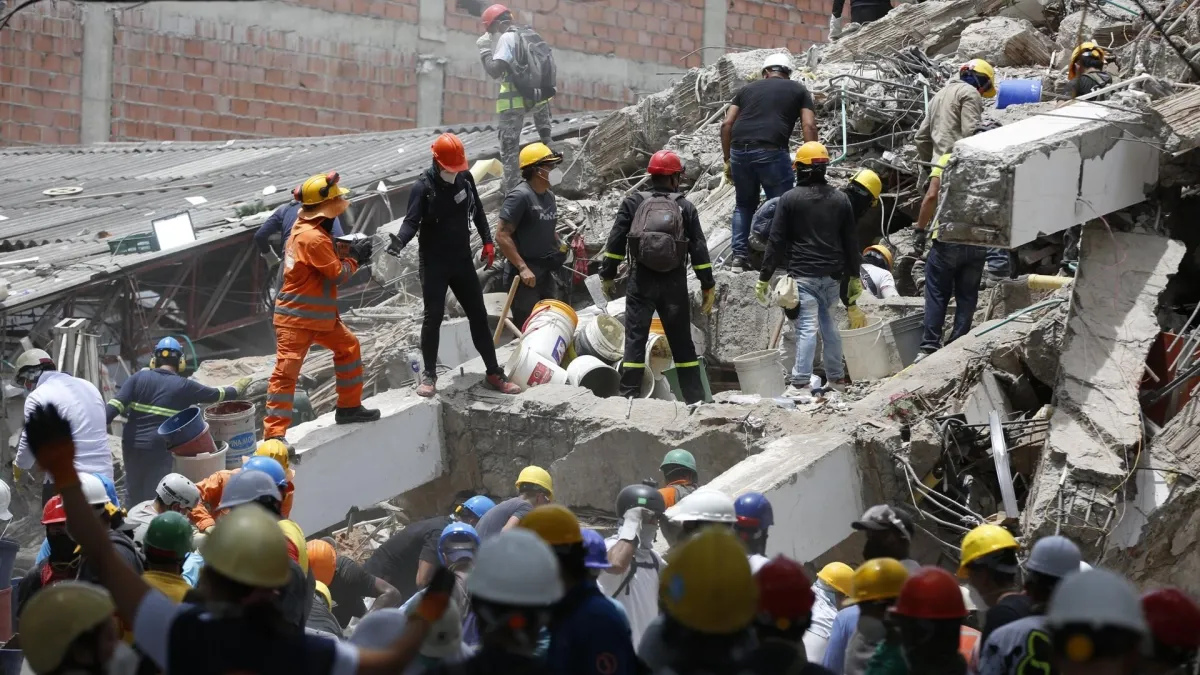
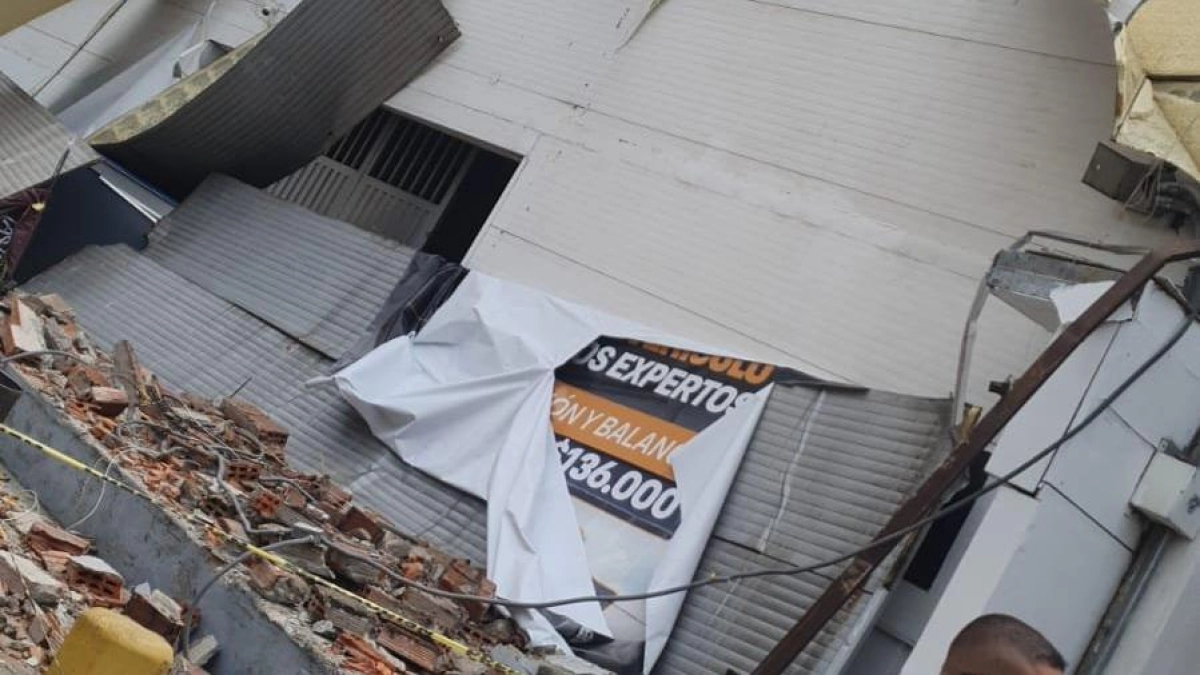
Fear gripped Cali's Granada neighborhood as a building's roof and wall collapsed, exacerbating the emergency a week after a devastating magnitude 7.4 earthquake struck western Colombia. The seismic event, with its epicenter in the Chocó department, has become one of the worst catastrophes in Cali, Valle del Cauca, and the Eje Cafetero regions.
The collapse occurred on August 19th on Avenida 8 Norte with Calle 14, near a hotel, adding to the extensive damage across the city. This incident is part of a massive infrastructure crisis, with authorities verifying 963 buildings. The technical assessment is alarming: 24 buildings have completely collapsed, 177 have suffered partial collapses (including the structure in Granada), and 216 show severe structural damage.
Stabilization efforts are ongoing in affected areas, where emergency crews and heavy machinery have cleared 29,843 tons of debris. Cali is striving to recover from the destruction while maintaining alerts and humanitarian deployment throughout the region.
The most recent report from the Mayor's Office of Santiago de Cali, as of August 19, 2026, at 3:00 p.m., indicates that the death toll has reached 143, with 136 bodies returned to their families. Search and rescue operations are racing against time to find 47 reported missing persons. Amidst the emergency, 88 people have been rescued alive from collapsed structures. Across Cali, 46 buildings have fallen, particularly in the south, and over 500 have been reported as unsafe.
DistantNews Editorial
Originally published by El Tiempo in Spanish. Translated, summarized, and contextualized by our editorial team with added local perspective. Read our editorial standards.
More Stories

From Our Blog

What Gets Lost (and Found) When News Is Translated

The Critical Role of Diaspora Media in Global News

What Travellers Should Know About Countries with Restricted Press

A Digital Nomad's Guide to Following Local News

How the Same Story Looks Different in Different Countries
