


California's New Mental Health Law Takes Effect Across All 58 Counties in July 2026
Translated from Spanish, summarized and contextualized by DistantNews.
At a glance
News
Official statement
New plan
- California has implemented a new mental health law, the Behavioral Health Services Act (BHSA), across all 58 counties starting July 2026.
- The law, based on Proposition 1 approved by voters in 2024, restructures funding and services for mental health and substance use disorders.
- It mandates integrated planning and prioritizes individuals with the greatest needs, including those experiencing homelessness, veterans, and justice-involved persons.
California has officially launched a sweeping new mental health law, the Behavioral Health Services Act (BHSA), across its 58 counties, effective July 2026. This landmark legislation, stemming from Proposition 1 approved by voters in 2024, replaces the previous framework of the Mental Health Services Act with a structure emphasizing accountability, equity, and outcomes.
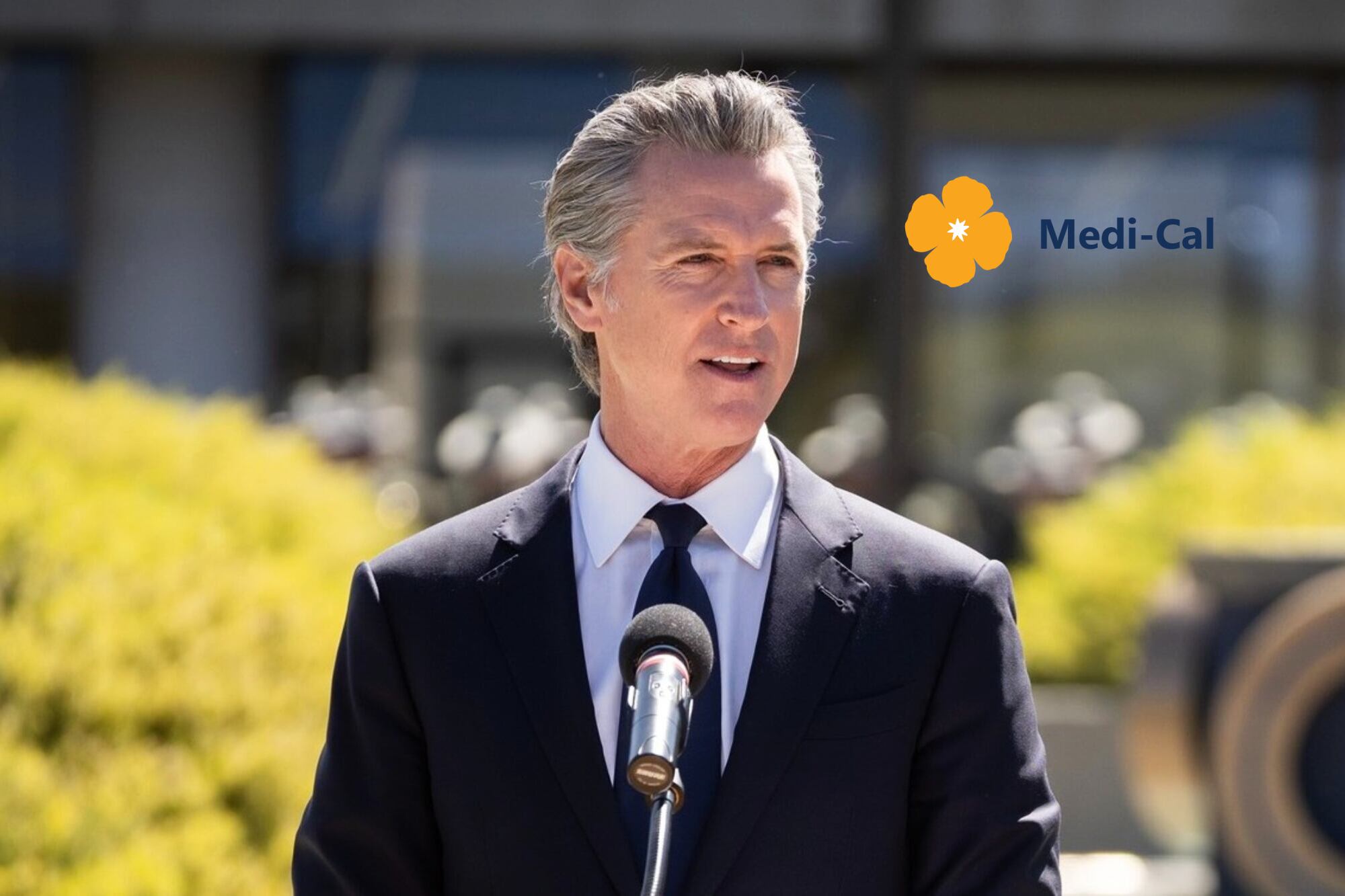
Governor Gavin Newsom announced the implementation, stating it marks a "historic turning point for California." The BHSA aims to ensure that every individual has a pathway toward stability, well-being, and hope. The new scheme compels counties to coordinate all funding sources for behavioral health and prioritize individuals facing the greatest needs or risks. This includes a focus on populations such as people experiencing homelessness, veterans, residents involved with the justice system, and those at risk of institutionalization. Early intervention and expanded services for substance use disorders are also key components.
The legislation consolidates prevention, treatment, recovery, housing support, and workforce training into a single, coordinated system. California Health and Human Services Secretary Kim Johnson described the BHSA as a "fundamental shift" in how the state addresses behavioral health. A significant aspect of the reform is the allocation of $4.17 billion for infrastructure projects, including treatment beds and outpatient facilities. This funding, managed by the Department of Health Care Services (DHCS), is expected to support over 6,900 residential treatment beds and more than 27,500 outpatient slots upon completion.
The DHCS has developed a comprehensive BHSA Policy Manual for Counties, incorporating public feedback to guide local implementation. This manual serves as a resource for the 58 counties and two eligible cities as they adapt to the new integrated planning requirements. The reform seeks to improve access to crisis stabilization, residential care, outpatient services, and permanent supportive housing, fundamentally changing the landscape of mental health and substance use disorder treatment in the state.
DistantNews Editorial
Originally published by La Nación in Spanish. Translated, summarized, and contextualized by our editorial team with added local perspective. Read our editorial standards.
More Stories



From Our Blog

What Gets Lost (and Found) When News Is Translated

The Critical Role of Diaspora Media in Global News

What Travellers Should Know About Countries with Restricted Press

A Digital Nomad's Guide to Following Local News

How the Same Story Looks Different in Different Countries
