

Cameroon: Ministerial contradiction over president's foreign stay fuels vacancy debate
Translated from French, summarized and contextualized by DistantNews.
At a glance
News
Sources not specified
Context piece
- Cameroon's President Paul Biya has been abroad for over 51 days, sparking debate about presidential vacancy.
- Ministers offer conflicting justifications, with one citing labor law allowing up to 80 days of leave, while another states no text limits presidential stays abroad.
- The opposition accuses the government of operating on autopilot and calls for a declaration of vacancy, which the ruling party rejects.
Cameroon's political circles are abuzz with debate over President Paul Biya's extended stay abroad, which has surpassed 51 days. This prolonged absence has fueled accusations from the opposition, who argue it constitutes a "vacancy" in the presidency and that the country is being run "on autopilot."
There is no vacancy at the presidency.
The opposition has presented legal and political arguments, suggesting the president's absence implies an "unjustified resignation." They claim the current situation represents "clandestine teleworking" by the head of state.
The president is at work.
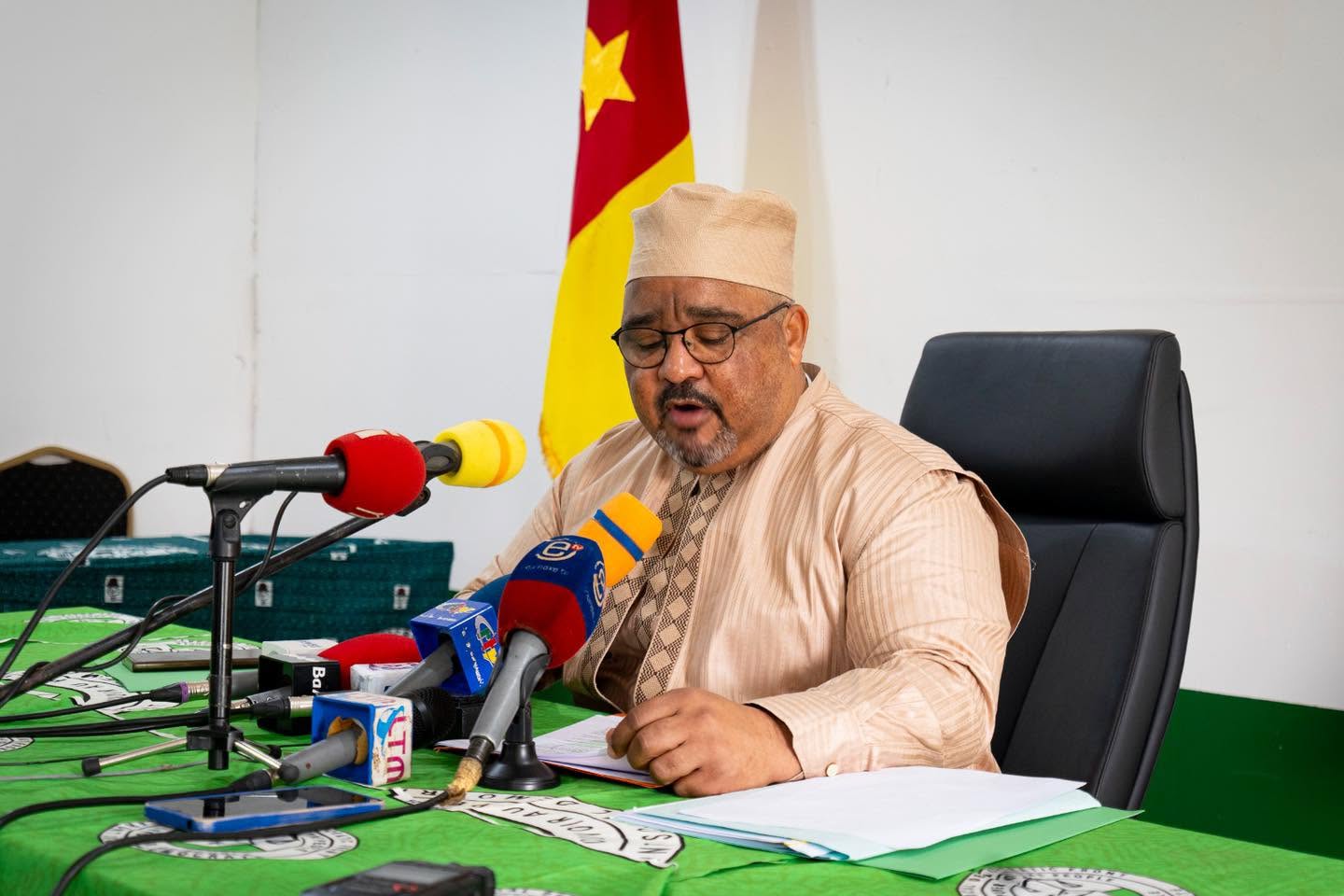
In response, the ruling party, the Cameroonian People's Democratic Movement (RDPC), has vehemently denied these accusations. Ministers have offered differing explanations for the president's absence. Minister of State Jacques Fame Ndongo asserted that no legal text limits the duration of a presidential stay abroad. However, Minister of Labor and Social Security Grégoire Owona introduced a new argument, invoking labor law which he claims permits up to 80 days of leave. Owona suggested the president is on annual leave, which can legally extend to 80 days, effectively ending the debate on vacancy.
No text limits the duration of a presidential stay abroad.
This justification, however, appears to contradict earlier statements from the RDPC's communication secretary, who had emphasized the lack of any time limit for presidential travel. The use of labor law, though distinct from the constitution, adds another layer to the controversy. While the government seeks to legitimize the president's extended absence, a segment of the public is demanding greater transparency regarding the head of state's activities and well-being.
The president is a worker who is entitled to annual leave.
DistantNews Editorial
Originally published by Journal du Cameroun in French. Translated, summarized, and contextualized by our editorial team with added local perspective. Read our editorial standards.
More Stories
From Our Blog

What Gets Lost (and Found) When News Is Translated

The Critical Role of Diaspora Media in Global News

What Travellers Should Know About Countries with Restricted Press

A Digital Nomad's Guide to Following Local News

How the Same Story Looks Different in Different Countries
