


Cameroon: Over 20 deaths on 'triangle of death' in less than two weeks
Translated from French, summarized and contextualized by DistantNews.
At a glance
News
Sources not specified
Context piece
- At least 24 people died in traffic accidents on Cameroonian roads between August 14 and August 23, 2026.
- Recent fatal crashes involved a head-on collision between a bus and a gravel truck, and a bus hitting a parked truck, resulting in multiple fatalities and injuries.
- The accidents, occurring before the school year starts, highlight issues like speeding, dangerous overtaking, and the poor condition of national roads, with a consumer foundation calling for structural solutions beyond simple warnings.
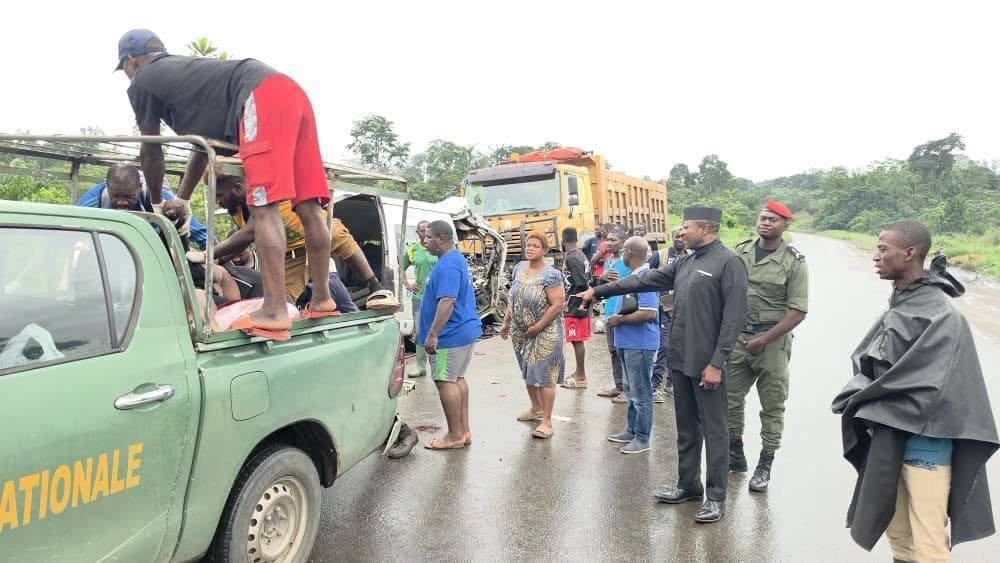
At least 24 people have died on Cameroon's roads in less than two weeks, with a series of fatal traffic accidents striking the routes connecting Douala, Yaoundé, and Bafoussam.
The latest incident on August 23 involved a head-on collision between a public transport bus and a gravel truck on the Yaoundé-Douala highway, killing seven people and injuring ten. This tragedy followed another fatal crash two days prior, where a truck hitting a central reservation sent debris onto the opposite lane, overturning a passenger car and killing five.
All our national roads are narrow lanes less than 8 meters wide, devoid of physical central separation, where the slightest deviation turns into a deadly head-on collision.
Earlier in the week, a bus struck a parked truck on the Yaoundé-Bafoussam route, resulting in 16 deaths and about 40 injuries. These incidents bring the total fatalities to 24 and injuries to over 50 in less than two weeks, a period of intense travel as people prepare for the school year.
Common causes cited include speeding, improper overtaking, and illegal parking, with trucks involved in all three major accidents. Two of these involved intercity passenger buses. The Cameroonian Foundation for Consumers (Focaco) condemned the "structural road insecurity," pointing to narrow roads lacking central barriers that turn minor errors into fatal head-on collisions. Focaco argues that calls for caution are insufficient, especially with increased traffic, and urges public authorities to address the road infrastructure.
Simple calls for caution are no longer enough.
DistantNews Editorial
Originally published by Journal du Cameroun in French. Translated, summarized, and contextualized by our editorial team with added local perspective. Read our editorial standards.
More Stories

From Our Blog

What Gets Lost (and Found) When News Is Translated

The Critical Role of Diaspora Media in Global News

What Travellers Should Know About Countries with Restricted Press

A Digital Nomad's Guide to Following Local News

How the Same Story Looks Different in Different Countries
