

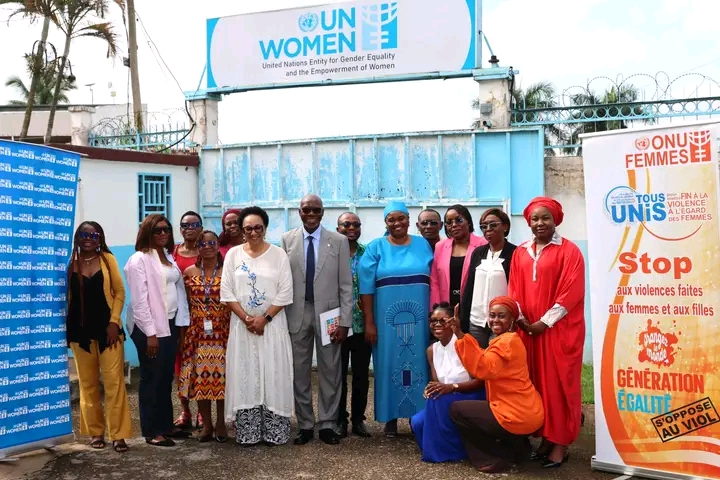

Cameroon partners to train 1,000 vulnerable people annually in agriculture
Translated from French, summarized and contextualized by DistantNews.
At a glance
News
Named sources
New plan
- Cameroon's Ministry of Social Affairs is partnering with CAPEF and the Binguela Practical School of Agriculture to train vulnerable individuals.
- The three-year renewable agreement aims to equip 1,000 vulnerable people annually with agricultural skills and entrepreneurship knowledge.
- This initiative builds on a pilot program and seeks to foster sustainable socio-economic integration for participants.
Cameroon's Ministry of Social Affairs is intensifying its economic integration efforts through a new partnership with CAPEF and the Binguela Practical School of Agriculture. The collaboration aims to train 1,000 vulnerable individuals each year in agricultural trades and entrepreneurship.
The agreement, signed on July 1, 2026, establishes a framework for cooperation over three years, with options for renewal. It commits the parties to guiding, training, and supporting beneficiaries in their entrepreneurial endeavors, including post-training follow-up.
A specific accord with the Binguela Practical School of Agriculture details the coordination and monitoring mechanisms to ensure the initiative's effective implementation. This partnership extends a pilot phase that began in Binguela on June 15, 2026, where 100 participants are currently receiving training in poultry farming, market gardening, and agricultural entrepreneurship.
The pilot program includes a 45-day practical immersion, the provision of certificates and starter kits, and at least six months of post-training support. The Ministry of Social Affairs intends to significantly scale up this program, leveraging CAPEF's national network of training centers to reach 1,000 vulnerable people annually across all ten regions of Cameroon, with the ultimate goal of promoting their long-term socio-economic integration.
DistantNews Editorial
Originally published by Journal du Cameroun in French. Translated, summarized, and contextualized by our editorial team with added local perspective. Read our editorial standards.
More Stories

From Our Blog

What Gets Lost (and Found) When News Is Translated

The Critical Role of Diaspora Media in Global News

What Travellers Should Know About Countries with Restricted Press

A Digital Nomad's Guide to Following Local News

How the Same Story Looks Different in Different Countries
