

Cameroon prioritizes local leadership for humanitarian action
Translated from French, summarized and contextualized by DistantNews.
At a glance
News
Sources not specified
Context piece
- Humanitarian actors in Cameroon are pushing for a more localized, coordinated, and sustainable approach to aid delivery.
- This shift aims to enhance the effectiveness of humanitarian responses, particularly in crisis-affected regions like the North-West and South-West.
- Increased local leadership and community involvement are seen as crucial for building a more resilient system amid declining funding and persistent needs.
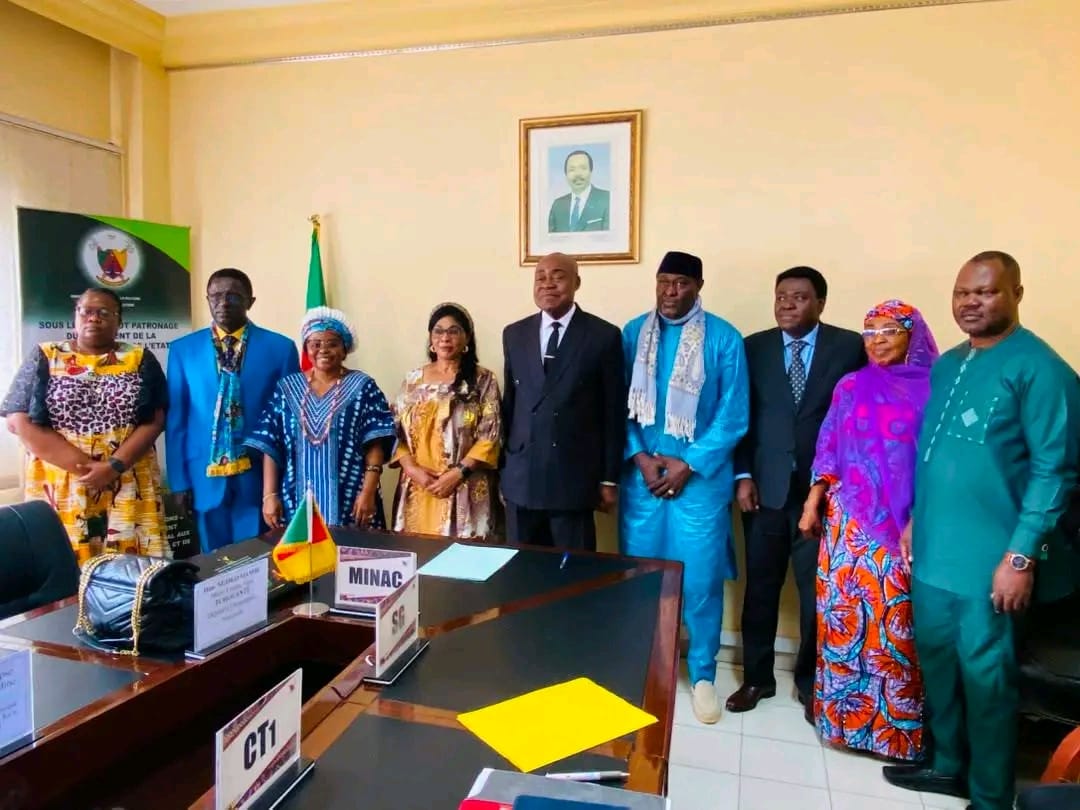
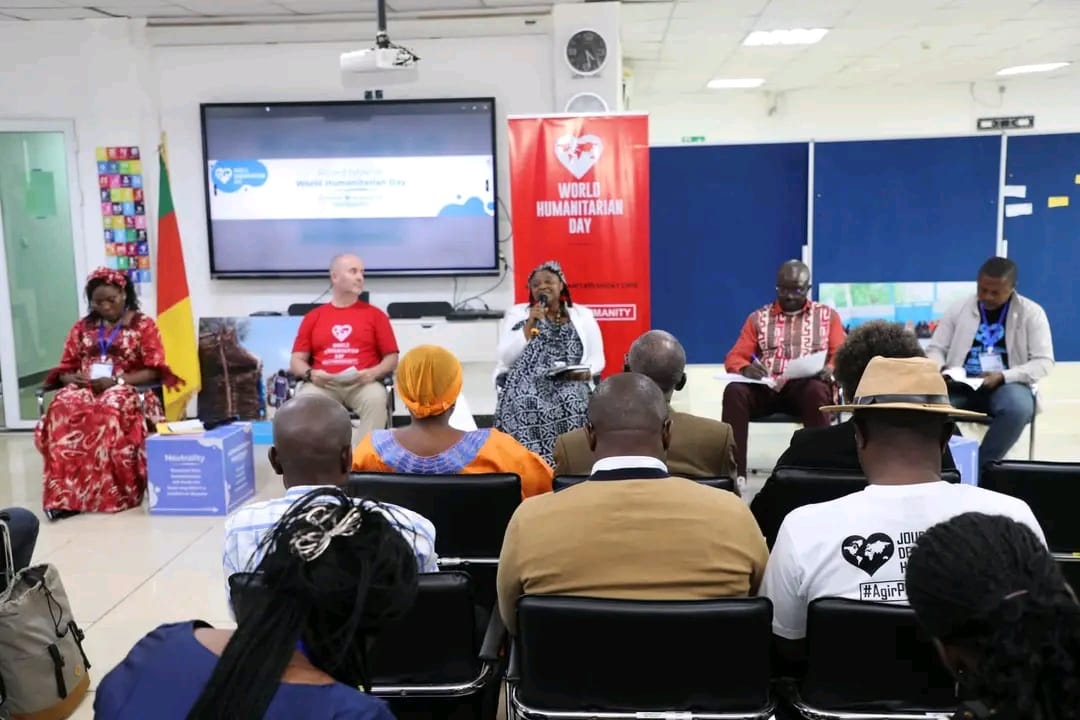
Humanitarian efforts in Cameroon are undergoing a significant transition, with a strong emphasis now placed on local leadership and community-driven responses. This strategic shift was a central theme during the 2026 World Humanitarian Day commemorations in Yaoundé, which brought together government officials, UN agencies, NGOs, and local communities.
The core message is clear: humanitarian action in Cameroon must become more local, accountable, and effective. Participants recognized that the country is navigating a complex humanitarian landscape characterized by persistent needs and limited resources. This reality necessitates an evolution of the traditional aid model, prioritizing the empowerment of local organizations, government institutions, and communities as the key to building a more resilient system.
Direct involvement from local actors is believed to foster responses that are better tailored to the specific realities on the ground. Progress has been noted, particularly in the North-West and South-West regions, where a more localized coordination structure is bringing aid providers closer to the populations they serve. This proximity is seen as vital for improving the efficiency and impact of assistance.
With funding streams facing reductions, humanitarian action must become more efficient. This means prioritizing the most vulnerable populations while ensuring transparency and measurable outcomes. Beyond immediate relief, discussions highlighted the need for integrated approaches that move beyond temporary assistance towards sustainable solutions and enhanced community resilience. The day also served as a tribute to the dedicated humanitarian workers and partners tirelessly serving crisis-affected populations across the country.
The overarching sentiment is that a stronger humanitarian system is built through collective action. The future of aid in Cameroon is envisioned as being more local, coordinated, accountable, sustainable, and people-centered.
DistantNews Editorial
Originally published by Journal du Cameroun in French. Translated, summarized, and contextualized by our editorial team with added local perspective. Read our editorial standards.
More Stories

From Our Blog

What Gets Lost (and Found) When News Is Translated

The Critical Role of Diaspora Media in Global News

What Travellers Should Know About Countries with Restricted Press

A Digital Nomad's Guide to Following Local News

How the Same Story Looks Different in Different Countries
