

Campaign Begins Seeking 5,000 Signatures for Constitutional Reform in Justice System
Translated from Spanish, summarized and contextualized by DistantNews.
At a glance
News
Sources not specified
Ongoing story
- A civic campaign launched on July 4th aims to gather 5,000 signatures for a constitutional reform in Guatemala's justice system.
- The proposed reforms include eliminating the current commission system for selecting high-ranking judicial officials and introducing a new body to improve judicial quality.
- Organizers emphasize the need to educate citizens about the constitution and the reform process, highlighting that the required signatures are significantly fewer than those needed for political parties.
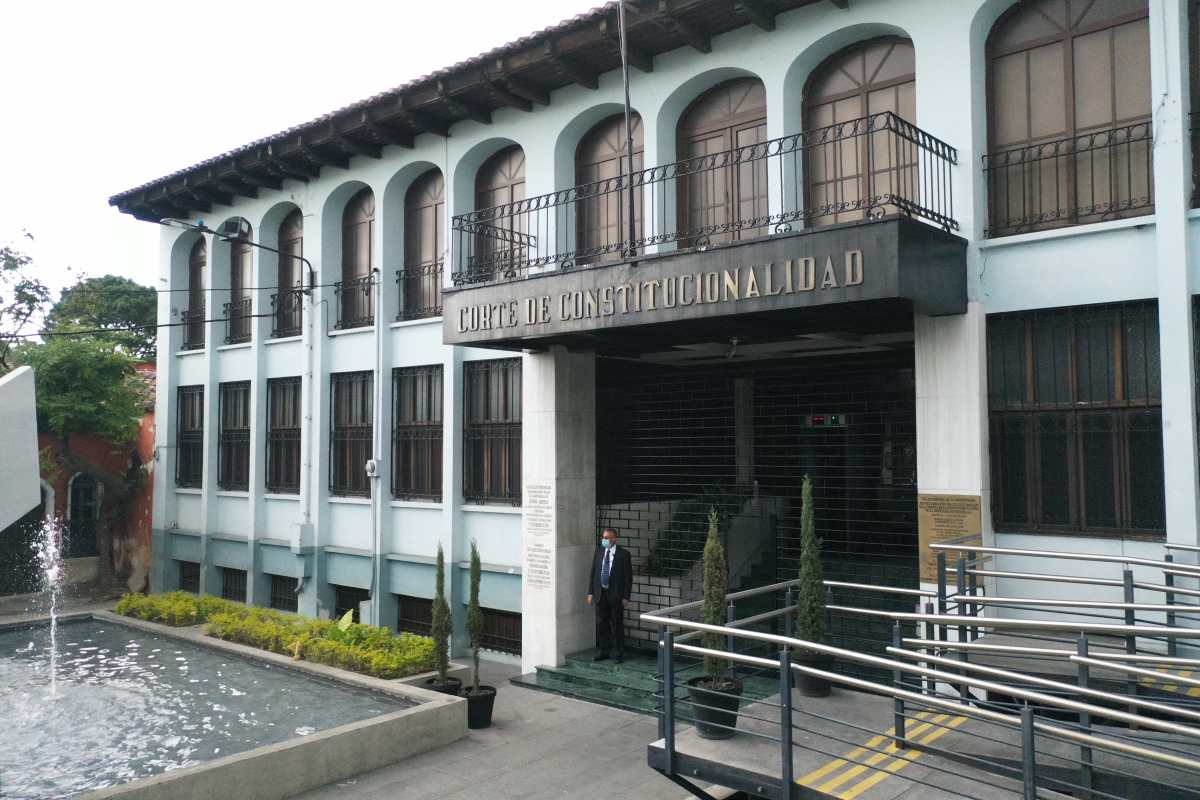
A national campaign began on July 4th in Guatemala, seeking 5,000 signatures to support a constitutional reform aimed at overhauling the justice system. The initiative, spearheaded by the civic group Poder Ciudadano (Citizen Power), intends to consolidate public support for a future legislative proposal.
Key proposed changes include the abolition of the current "comisiones de postulación" (selection commissions), the mechanism used to appoint high-ranking officials not chosen by popular vote. This affects positions such as Supreme Court magistrates, Court of Appeals judges, members of the Supreme Electoral Tribunal, the comptroller general, and the attorney general. Poder Ciudadano stated on its website that the reform should be viewed as an "institutional architecture reform and not as a simple terminological update."
Beyond ending the commission system, the reform seeks to stagger the appointment of magistrates to avoid simultaneous changes within the courts. It also aims to improve the selection process by excluding deputies and incorporating a Council of the Judiciary and Magistrates to enhance the quality of the judicial branch's service. The proposal emphasizes retaining functional aspects of the constitution while amending those that are not serving citizens effectively.
The reform of the justice sector must be understood as an institutional architecture reform and not as a simple terminological update.
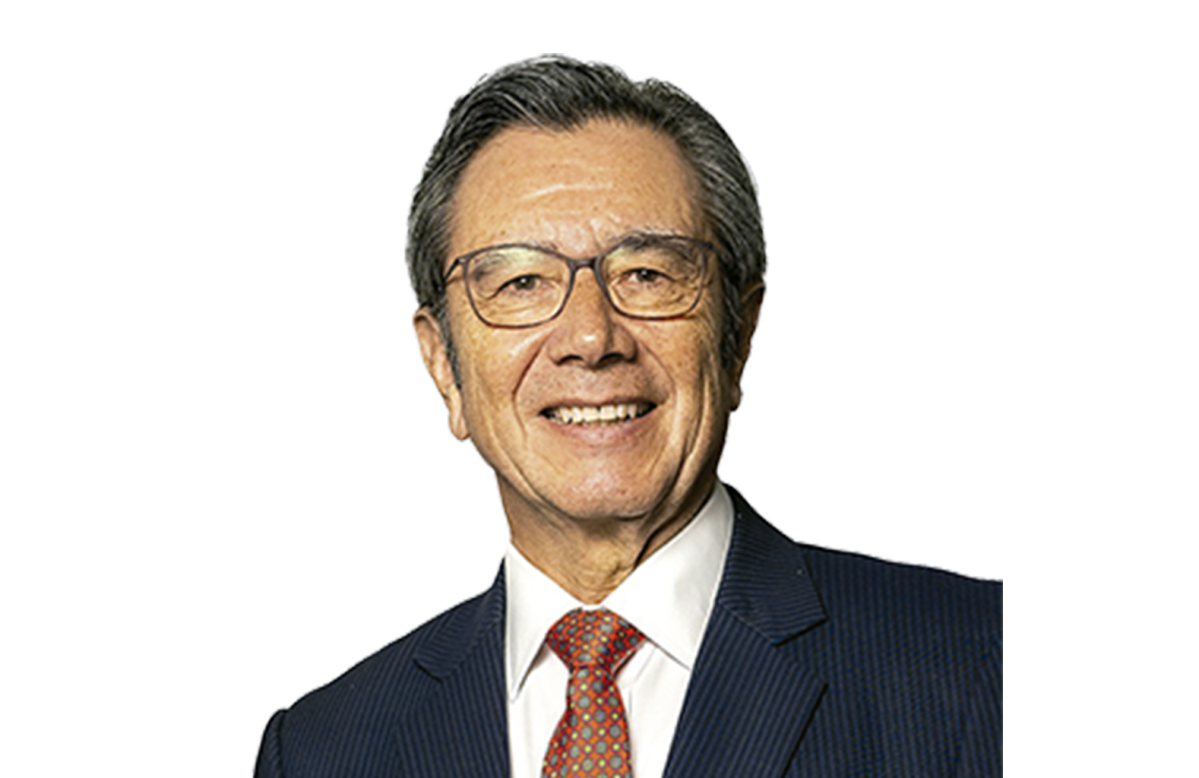
Edgar Ortiz, a constitutional law expert and co-founder of Poder Ciudadano, highlighted the challenge of public awareness regarding constitutional reform processes. "The biggest challenge has been the lack of knowledge about the Constitution and, in particular, about the reform process provided for in Article 277, subsection d). Therefore, a fundamental part of our work is to bring the Constitution closer to all Guatemalans, so that we know it, understand how it works, and know that it is possible to keep what works and change what needs improvement," Ortiz explained.
The campaign requires 5,000 signatures, a threshold considerably lower than the minimum needed for political parties to maintain their registration and participate in elections. Poder Ciudadano plans to hold events to collect these signatures.
The biggest challenge has been the lack of knowledge about the Constitution and, in particular, about the reform process provided for in Article 277, subsection d). Therefore, a fundamental part of our work is to bring the Constitution closer to all Guatemalans, so that we know it, understand how it works, and know that it is possible to keep what works and change what needs improvement.
DistantNews Editorial
Originally published by Prensa Libre in Spanish. Translated, summarized, and contextualized by our editorial team with added local perspective. Read our editorial standards.
More Stories

From Our Blog

What Gets Lost (and Found) When News Is Translated

The Critical Role of Diaspora Media in Global News

What Travellers Should Know About Countries with Restricted Press

A Digital Nomad's Guide to Following Local News

How the Same Story Looks Different in Different Countries
