


Can Nations Cooperate to 'Rescue' Hormuz? France and UK Lead Diplomatic Push
Translated from Vietnamese, summarized and contextualized by DistantNews.
At a glance
News
Named sources
Context piece
- France and the UK are proposing a new mechanism for safe passage through the Strait of Hormuz, aiming to de-escalate tensions between the US and Iran.
- The proposal involves a multinational coalition, with France deploying its Charles de Gaulle carrier strike group and the UK preparing the HMS Dragon, while Italy and the Netherlands have also committed naval assets.
- The initiative suggests the US could allow Iranian ships passage in exchange for Tehran's commitment to nuclear and missile talks, with the US potentially lifting naval blockades in return.
In a significant diplomatic maneuver, France and the United Kingdom are spearheading a new initiative aimed at ensuring safe passage through the Strait of Hormuz, a critical chokepoint for global trade. This proposal comes amid heightened tensions between the United States and Iran, with the potential for conflict casting a shadow over international maritime security and the global economy.
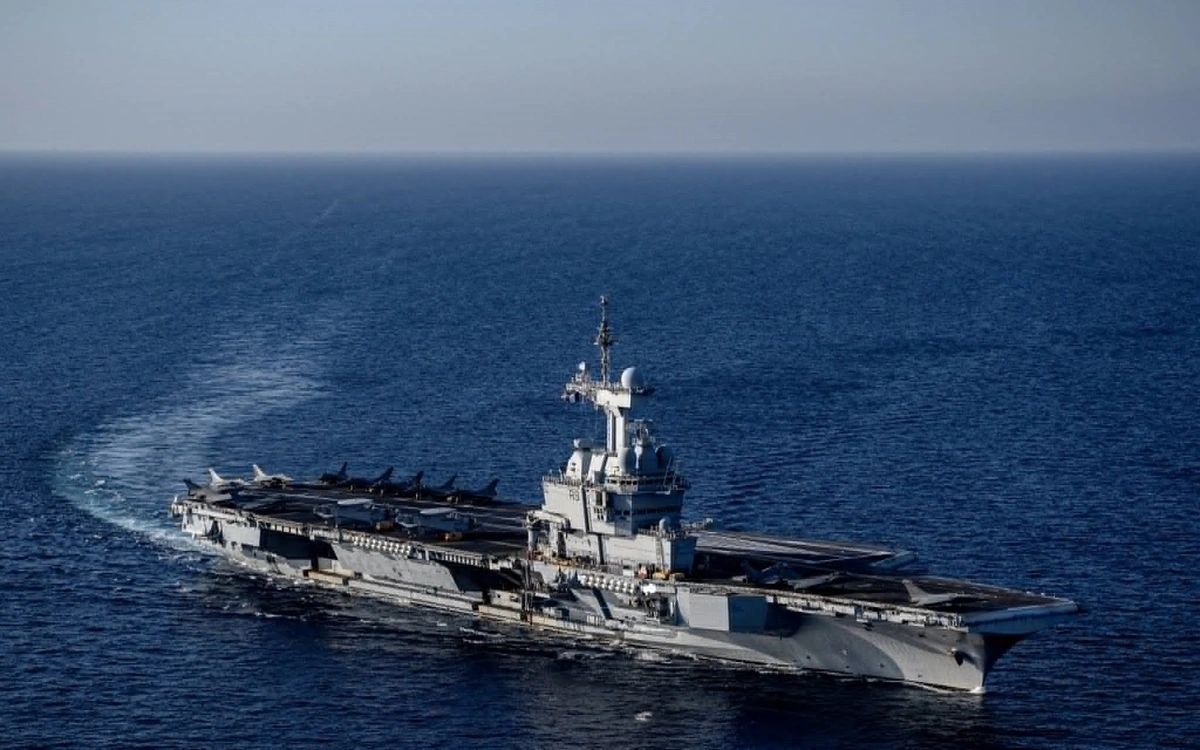
The joint effort involves a multinational coalition, demonstrating a unified approach to a complex geopolitical challenge. France has deployed its flagship, the Charles de Gaulle carrier strike group, to the Red Sea, signaling its commitment to the initiative. The UK is also preparing its warship, HMS Dragon, to be ready to protect the strait when conditions permit, operating within the framework of this multinational alliance.
The preparation for the deployment of HMS Dragon is part of prudent planning, ensuring the UK is ready to protect the strait when conditions permit, within the framework of a multinational alliance led by the UK and France.
This initiative is not merely about military posturing; it's a carefully crafted proposal designed to de-escalate the situation. French officials have indicated that the plan includes a potential U.S. agreement to allow Iranian vessels passage through Hormuz. In return, Iran would need to commit to negotiations with Washington concerning its nuclear program and missile development. The U.S., in turn, would consider lifting naval blockades in the strait.
While the ambition is clear, the path forward is fraught with challenges. Analysts emphasize that resolving the Hormuz situation cannot solely rely on military might. Success will hinge on effective organization and coordination among participating nations. The proposal, though promising, requires the cooperation of both Iran and the United States to move from concept to reality. The international community watches closely, hoping this diplomatic push can avert a wider conflict and restore stability to this vital waterway.
The reason we have to make an effort once again today (May 6) is simple: the blockade of Hormuz continues, so the damage to the world economy is becoming more apparent and the risk of prolonged conflict is too serious for us to accept.
DistantNews Editorial
Originally published by Tuổi Trẻ in Vietnamese. Translated, summarized, and contextualized by our editorial team with added local perspective. Read our editorial standards.
More Stories


From Our Blog

What Gets Lost (and Found) When News Is Translated

The Critical Role of Diaspora Media in Global News

What Travellers Should Know About Countries with Restricted Press

A Digital Nomad's Guide to Following Local News

How the Same Story Looks Different in Different Countries
