


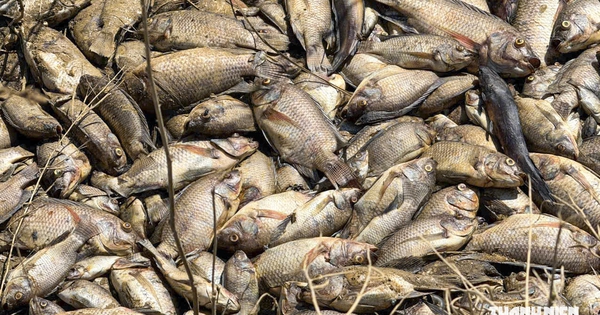

Can Tho installs cameras to tackle illegal dumping
Translated from Vietnamese and summarized by DistantNews. Read the original for the full story.
At a glance
News
Named sources
New plan
- Can Tho is identifying dumping hotspots and considering cameras, warning signs and no-dumping signs to curb illegal waste disposal.
- Tan An Ward used camera footage to handle eight environmental violations and issued fines totaling more than 12 million dong.
- Long Tuyen Ward installed 12 cameras on Le Phuoc Tho Street and forced people caught dumping waste to restore the affected areas.
Can Tho is turning to cameras to confront illegal dumping at locations where spontaneous waste sites are likely to emerge.
The municipal Department of Agriculture and Environment is compiling a list of waste hotspots and monitoring how each commune and ward is handling them. It is also tracking waste collection and treatment facilities at risk of overloading, with the aim of preventing disruptions to collection and transport services.
The department is gathering proposals from communes and wards on the number and locations of cameras, warning signs and no-dumping signs. It will submit the estimated funding needs to the city People's Committee.
Several central wards have already installed cameras along residential areas and newly opened roads. Tan An Ward used the footage to detect eight environmental violations: four cases of household waste being dumped in unauthorized places, and four cases involving wastewater or used cooking oil discharged into the drainage system. The violations resulted in fines totaling more than 12 million dong.
In June 2026, Long Tuyen Ward installed 12 surveillance cameras along Le Phuoc Tho Street. The system has since helped authorities detect people secretly dumping waste, impose administrative penalties and require them to restore the environment to its original condition.
About this summary
Originally published by Tuổi Trẻ in Vietnamese. Translated, summarized, and contextualized automatically by DistantNews, with a note on how the source frames the story. Not individually reviewed before publishing. How this works.
More Stories


From Our Blog

News in Translation: What Gets Lost, and How We Keep the Framing

Diaspora Media: How Communities Follow News From Home

Traveling Where the Press Is Not Free: How to Read the News There

The Digital Nomad's Guide to Local News

The Same Story, Different Countries: How Coverage Changes at the Border
