


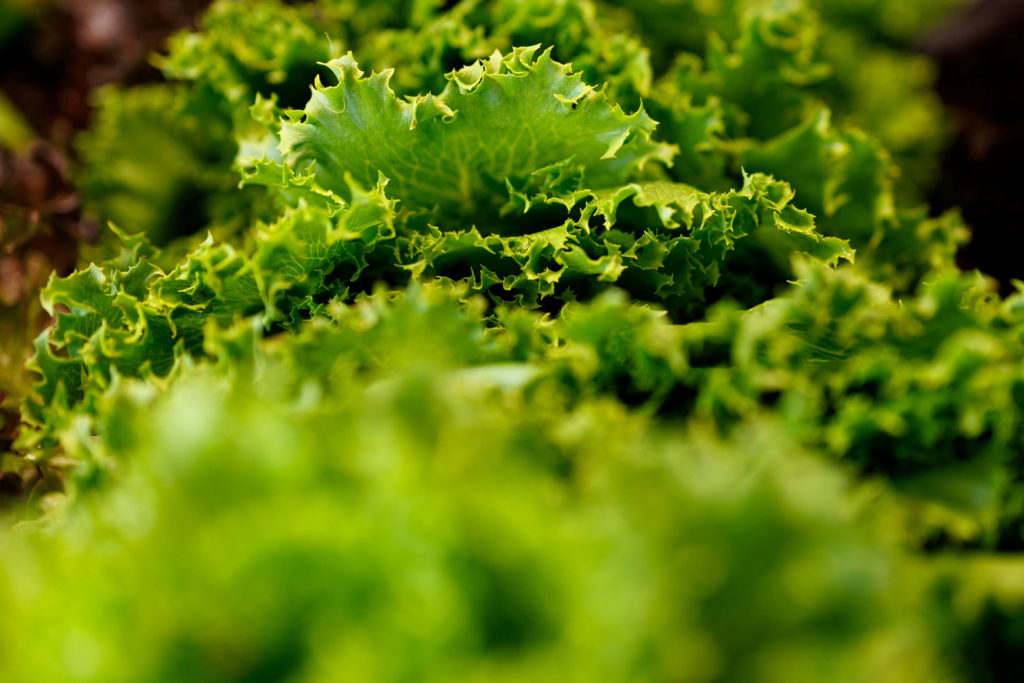
Can you eat lettuce safely during the cyclospora outbreak? Advice from an infectious disease expert
Summarized and contextualized by DistantNews.
At a glance
Explainer
Named sources
Context piece
- An ongoing outbreak of cyclosporiasis has sickened over 11,500 people in the U.S., leading 40% of adults to reduce fresh produce consumption.
- Experts advise that while eliminating risk is impossible, sensible food safety practices can significantly reduce the chance of illness from contaminated foods like cyclospora.
- Washing produce at home, especially whole heads of lettuce, is recommended over relying solely on pre-washed greens, as commercial processing, while standard, does not guarantee sterility.
Concerns over foodborne illnesses, including the current cyclosporiasis outbreak, have led many Americans to cut back on fresh produce. The parasite has sickened more than 11,500 people across the United States, causing severe gastrointestinal symptoms and prompting a poll indicating that 40% of U.S. adults have reduced their intake of fresh fruits and vegetables.
it's impossible to entirely eliminate your risk of being infected with microbes that can contaminate foods, such as cyclopsora, E. coli and salmonella.
Despite the risks, infectious disease specialists emphasize that avoiding fresh produce is unnecessary. They advocate for adopting practical food safety measures to minimize the likelihood of contracting illnesses from contaminants like cyclospora, E. coli, and salmonella. These practices allow individuals to continue enjoying the health benefits of salads and vegetables.
While pre-washed greens offer convenience, experts suggest that washing produce at home, particularly whole heads of lettuce, provides an extra layer of safety. Commercial washing processes meet industry standards but do not eliminate all harmful germs. Each step from harvest to packaging presents an opportunity for contamination, and the extended travel time for bagged lettuce can allow pathogens to multiply.
But rather than avoiding fresh produce, adopting a few sensible food safety practices can help you significantly reduce your risk of getting sick while continuing to enjoy the many health benefits and flavor perks of salads and fresh veggies.
Adopting simple habits, such as thoroughly washing all produce before consumption, can significantly lower the risk of illness. This approach allows consumers to balance the desire for healthy, fresh foods with the need for caution during active outbreaks.
Triple washed or ready to eat means a product is cleaned to commercial standards, not that it is free of all harmful germs.
DistantNews Editorial
Originally published by PBS NewsHour. Summarized and contextualized by our editorial team with added local perspective. Read our editorial standards.
More Stories


From Our Blog

How the Same Story Looks Different in Different Countries

What Gets Lost (and Found) When News Is Translated

The Critical Role of Diaspora Media in Global News

What Travellers Should Know About Countries with Restricted Press

A Digital Nomad's Guide to Following Local News
