


Canada's C$60 Billion Submarine Race Nears Finish Line: South Korea vs. Germany
Translated from Korean, summarized and contextualized by DistantNews.
At a glance
News
Named sources
New plan
- Canada is expected to announce its decision on a C$60 billion (approximately $44 billion USD) submarine procurement project as early as July 7.
- South Korea, represented by Hanwha Ocean and HD Hyundai Heavy Industries, is competing against Germany's Thyssenkrupp Marine Systems (TKMS).
- The final decision hinges on factors like technological capability, delivery timelines, and NATO interoperability, with both nations highlighting their strengths.
Canada's highly anticipated C$60 billion (approximately $44 billion USD) submarine procurement project, known as the Canadian Surface Combatant Project (CPSP), is nearing its conclusion. A decision on the winning bid is expected as early as July 7, according to Canadian media reports. The competition has narrowed to two major contenders: South Korea and Germany.
If you have any reports that South Korea is falling behind, tell me.
South Korea is presenting its proven technology and reliable delivery capabilities, showcasing its indigenous Dosan Ahn Changho-class submarines, which are already in operational service. These submarines, equipped with lithium-ion battery systems and vertical launch capabilities for ballistic missiles, represent a significant advancement in diesel-electric submarine technology. The Korean bid emphasizes the practical, real-world performance of its vessels.
Germany's Thyssenkrupp Marine Systems (TKMS) is advocating for its Type 212CD submarine, a design that boasts exceptional stealth capabilities and seamless integration with NATO's operational systems. However, a key challenge for the German bid is that the Type 212CD is still in the design phase, with no operational prototypes available. This lack of a proven, in-service vessel presents a contrast to South Korea's offering.
It is very advantageous for us in many aspects.
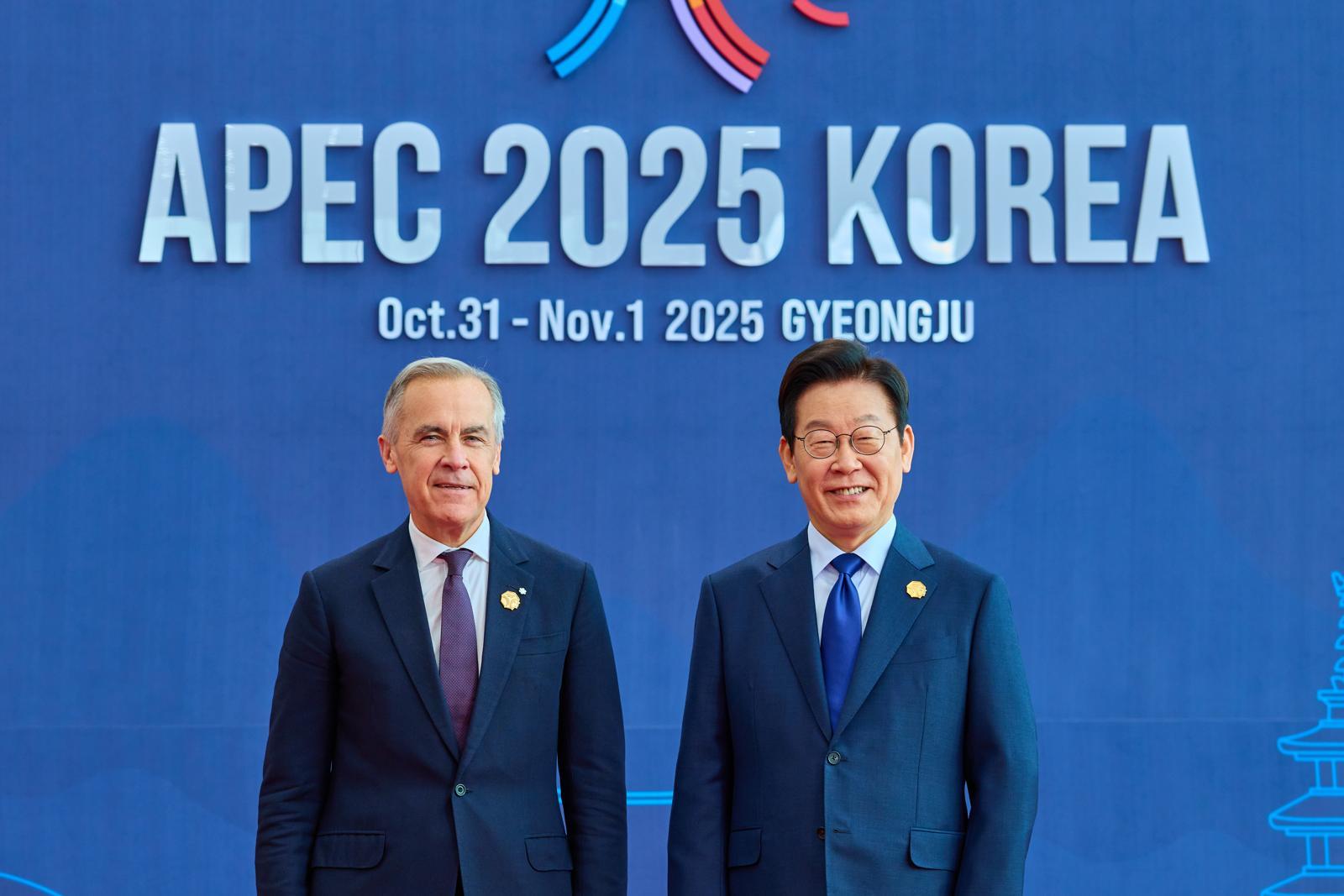
The final decision rests with Canadian Prime Minister Mark Carney, who is expected to make the announcement before attending the NATO summit in Turkey. The project's outcome is crucial for Canada's naval modernization efforts and carries significant economic implications for the winning nation. Both South Korea and Germany are actively lobbying, with South Korean officials expressing confidence in their partnership advantages, while German representatives highlight the strategic benefits of interoperability within the NATO alliance.
We believe there is a sufficient possibility that we will win the contract.
DistantNews Editorial
Originally published by Dong-A Ilbo in Korean. Translated, summarized, and contextualized by our editorial team with added local perspective. Read our editorial standards.
More Stories



From Our Blog

What Gets Lost (and Found) When News Is Translated

The Critical Role of Diaspora Media in Global News

What Travellers Should Know About Countries with Restricted Press

A Digital Nomad's Guide to Following Local News

How the Same Story Looks Different in Different Countries
