

Canada's Tariffs Could Hike Costs for Ontario's New Subway Trains
Translated from English and summarized by DistantNews. Read the original for the full story.
At a glance
News
Named sources
Context piece
- Canada's retaliatory tariffs on U.S. products may significantly increase the cost of driverless trains ordered for Toronto's Ontario Line.
- The tariffs, announced Tuesday, target about 700 items entering Canada from the U.S., including electric rail locomotives.
- Critics argue the situation was avoidable, questioning why a Canadian company was not awarded the contract for the trains.
Canada's recent imposition of retaliatory tariffs on U.S. goods could lead to substantial cost increases for new driverless subway trains ordered by the Ontario provincial government. The tariffs, which target around 700 items entering Canada from the United States, include electric rail locomotives, potentially impacting the procurement of trains for Toronto's new Ontario Line.
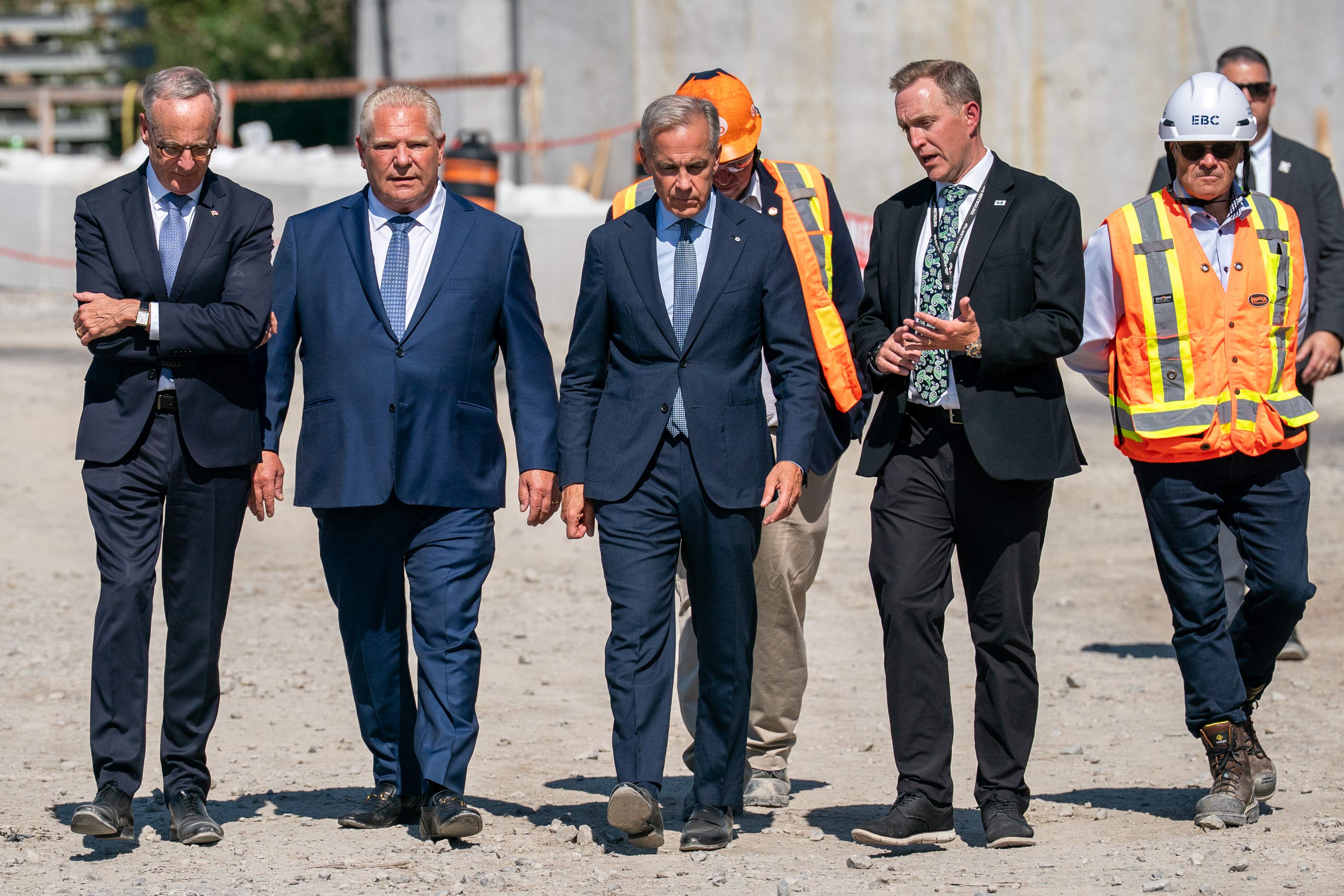
As with all provincial agencies, Metrolinx always makes every effort to procure from Ontario and Canadian-based companies. We will continue to support our municipal, provincial, and federal partners in responses to the United States tariffs.
In 2022, Infrastructure Ontario awarded a $9 billion contract to a consortium including Hitachi Rail for trains, rolling stock, and maintenance for the Ontario Line. Hitachi's trains are manufactured at a facility in Maryland, U.S., and are slated for shipment to Toronto. If the current tariffs remain in effect when the order is fulfilled, the federal government could impose significant duties on these trains.
A spokesperson for Metrolinx, the provincial transportation agency, stated that the agency always strives to procure from Ontario and Canadian-based companies and will continue to support partners responding to U.S. tariffs. The Department of Finance indicated that requests for remission of the new counter-tariffs would be considered on an exceptional basis to mitigate unintended negative impacts on the Canadian economy.
Requests for remission of the new counter-tariffs will be considered by the Department of Finance to provide targeted surtax relief on an exceptional basis, where necessary to mitigate unintended negative impacts on the Canadian economy.
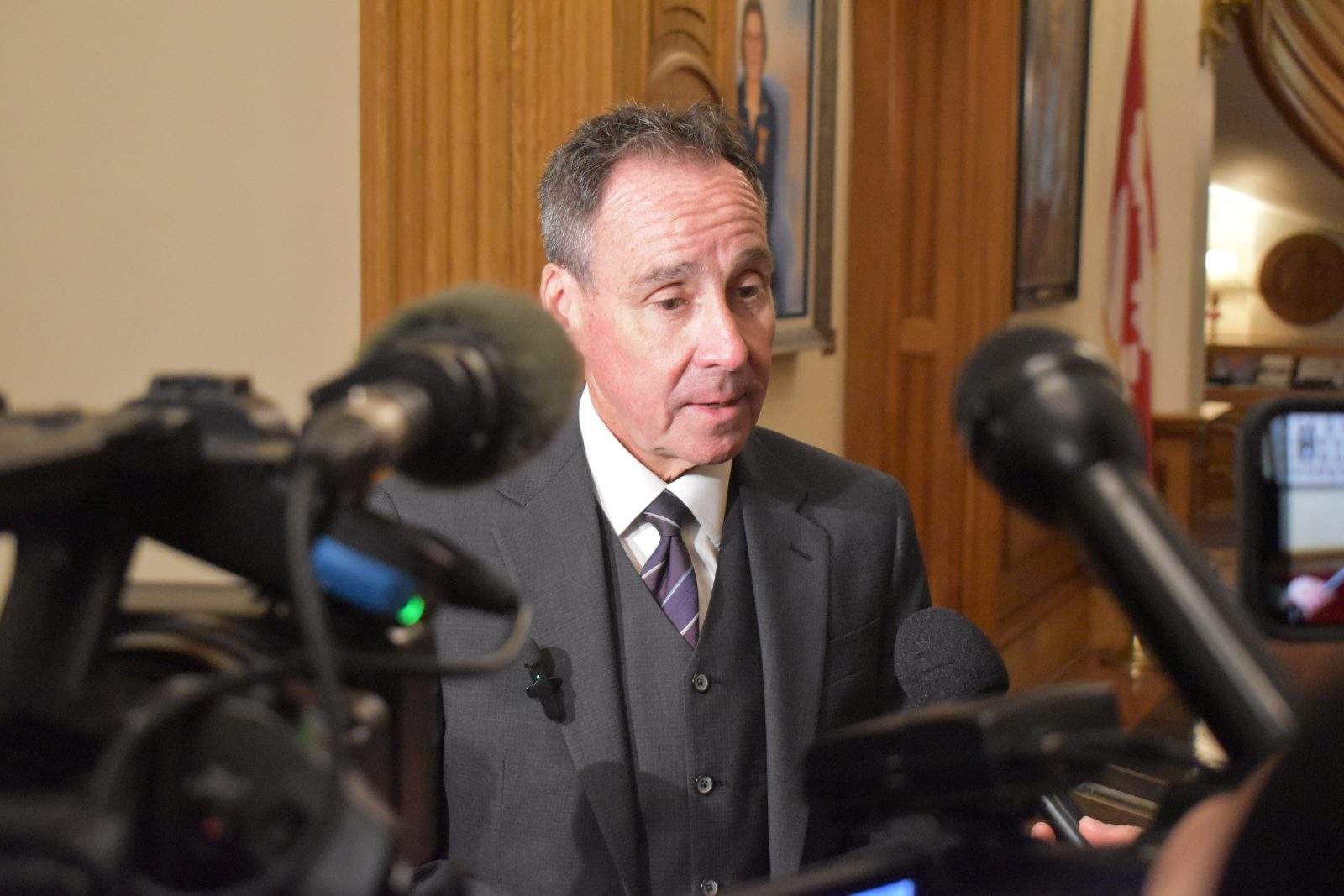
However, critics, including Ontario NDP Leader Marit Stiles, argue that the situation could have been prevented. Stiles pointed out that Alstom, a company with facilities in Canada, had also bid on the contract. She expressed concern that jobs that could have benefited Canadian manufacturing were instead awarded to U.S. companies, leading to this potential tariff issue.
When the province signed this agreement, we sounded the alarm over and over again. Good jobs that would be transformative for Thunder Bay went down south because of choices this government made.
About this summary
Originally published by Global News in English. Translated, summarized, and contextualized automatically by DistantNews, with a note on how the source frames the story. Not individually reviewed before publishing. How this works.
More Stories
From Our Blog

What Gets Lost (and Found) When News Is Translated

The Critical Role of Diaspora Media in Global News

What Travellers Should Know About Countries with Restricted Press

A Digital Nomad's Guide to Following Local News

How the Same Story Looks Different in Different Countries
