


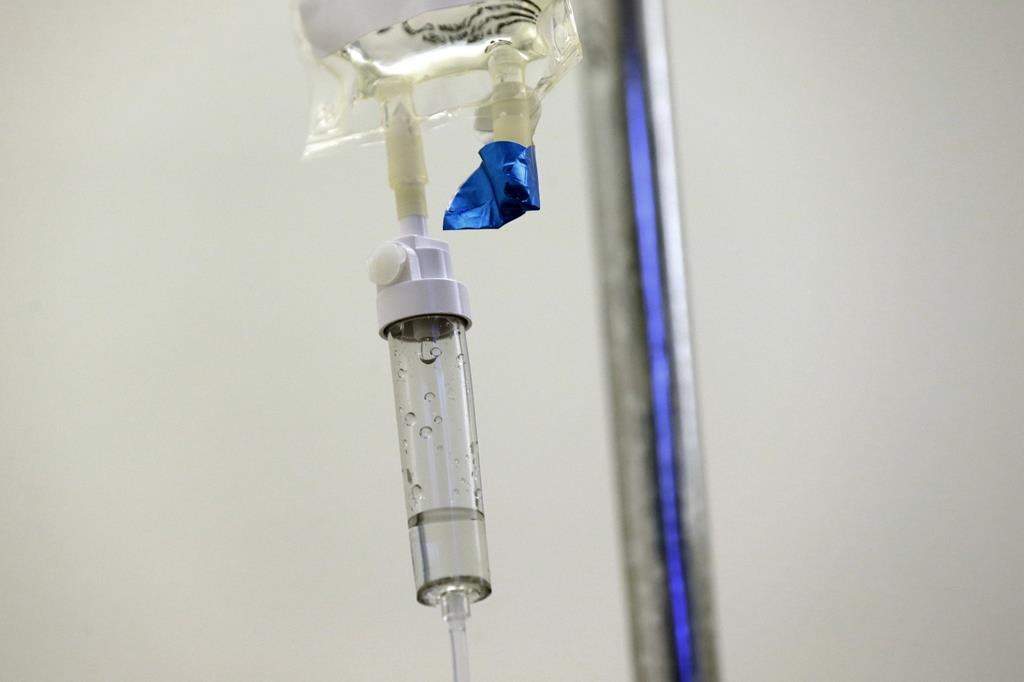
Canadian premiers face calls to improve diagnosis, treatment of ovarian cancer
Summarized and contextualized by DistantNews.
At a glance
News
Sources not specified
Context piece
- Ovarian cancer patients and oncologists are urging Canadian premiers to improve diagnosis and treatment options.
- Patients like Tammy O'Rourke faced significant delays and denials, requiring expensive treatment abroad.
- Experts call for better access to drugs, clinical trials, and earlier detection methods.
Canadian premiers are facing mounting pressure from ovarian cancer patients and medical professionals to address critical gaps in diagnosis and treatment across the country. Patients report feeling failed by the healthcare system, experiencing scan delays and denied referrals, leading to late-stage diagnoses and limited options.
Why are they letting people die in Canada of a condition that we can fix?
Tammy O'Rourke, a mother of five from Nova Scotia, shared her harrowing experience with stage 4 ovarian cancer. After facing systemic failures, she ultimately received life-saving HIPEC surgery in Baltimore, Maryland – a treatment not offered in Canada. The out-of-pocket expenses reached $400,000, a burden her family endured for her to become cancer-free.
For a country that spends hundreds of billions of dollars on what other countries believe is a state of the art socialized health care system, it’s disheartening.
Dr. Jacob McGee, president of the Society of Gynecologic Oncology of Canada, highlighted the severity of the crisis. He noted that despite affecting one in 70 women, there is no specific diagnostic test for ovarian cancer in Canada. For many late-stage patients, cancer recurs, developing platinum resistance, which drastically limits treatment effectiveness to a 10-20% response rate.
Cure isn’t a word that we get to use very often with that cancer.
With an estimated 3,000 women to be diagnosed and 1,950 to die from ovarian cancer in Canada in 2026, according to the Canadian Cancer Society, McGee stressed the need for better access to drugs available in the U.S. and improved surgical care. He urged premiers to prioritize funding for research into earlier detection, better access to clinical trials, and more effective interventions, especially for platinum-resistant cases.
When we reach that point, our options are really limited and response rates to treatments that we have available are typically in the 10 to 20 per cent range.
DistantNews Editorial
Originally published by Global News. Summarized and contextualized by our editorial team with added local perspective. Read our editorial standards.
More Stories


From Our Blog

What Gets Lost (and Found) When News Is Translated

The Critical Role of Diaspora Media in Global News

What Travellers Should Know About Countries with Restricted Press

A Digital Nomad's Guide to Following Local News

How the Same Story Looks Different in Different Countries
