

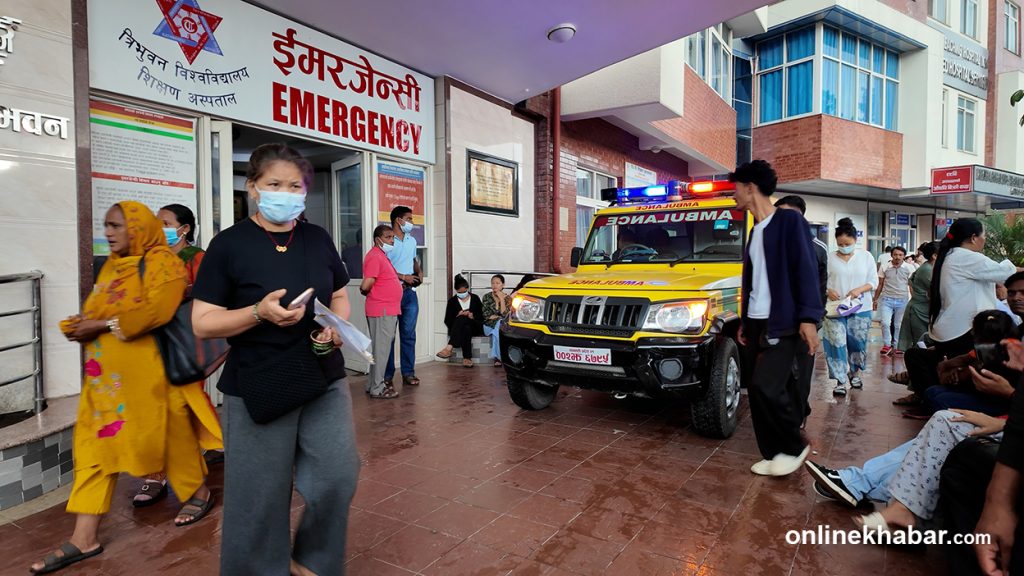

Cancer patients pay exorbitant prices for drugs unavailable at state hospitals
Translated from English, summarized and contextualized by DistantNews.
At a glance
News
Named sources
Context piece
- Cancer patients face exorbitant prices for essential chemotherapy drugs at private pharmacies due to unavailability in state-run hospitals.
- A shortage of platinum-based drugs like carboplatin, cisplatin, and oxaliplatin occurred six months ago due to rising raw material costs and government price caps.
- Suppliers have not resumed deliveries to state hospitals as prices remain capped, forcing patients to buy from private sources at significantly higher costs, impacting the poor the most.
Cancer patients are being forced to pay drastically inflated prices for life-saving chemotherapy medicines at private pharmacies, as essential drugs remain unavailable in state-run health facilities. The lack of access to platinum-based chemotherapy drugs, including carboplatin, cisplatin, and oxaliplatin, forces families to purchase them from private vendors at costs far exceeding government-set rates.
The situation has improved compared to when these medicines were completely unavailable even outside the hospital.
About six months ago, Nepal experienced an acute shortage of these vital medicines. The situation arose after the cost of raw materials increased, partly due to the West Asian conflict. Suppliers halted imports because the government's price cap prevented them from covering their expenses. This disruption halted cancer treatments, and desperate families resorted to buying medicines on the black market at multiples of their official price, with some even traveling to India.
Patients are now bringing the medicines from outside, even if they have to pay high prices.
Families report paying up to Rs15,000 for a vial of carboplatin that should cost around Rs1,300. The government has yet to adjust the prices, leading suppliers to refuse deliveries to state hospital pharmacies. Officials at the Bharatpur Cancer Hospital cannot predict when the medicines will be restocked. While patients' relatives are sourcing the drugs themselves, doctors express concerns about the quality of these privately obtained medicines.
Patients’ relatives are bringing the medicines themselves.
The availability of these drugs in private pharmacies suggests they are being imported at higher prices, with customs duties paid. Doctors suspect the government is aware of this but may be hesitant to raise prices for fear of public backlash. The prolonged shortage disproportionately affects impoverished patients, many of whom rely on health insurance but are still forced to buy expensive medicines out-of-pocket. Some resort to taking loans or mortgaging their homes and land to afford treatment.
Government officials are certainly aware that traders have been importing the medicines at higher prices and paying taxes accordingly.
DistantNews Editorial
Originally published by Kathmandu Post in English. Translated, summarized, and contextualized by our editorial team with added local perspective. Read our editorial standards.
More Stories

From Our Blog

What Gets Lost (and Found) When News Is Translated

The Critical Role of Diaspora Media in Global News

What Travellers Should Know About Countries with Restricted Press

A Digital Nomad's Guide to Following Local News

How the Same Story Looks Different in Different Countries
