


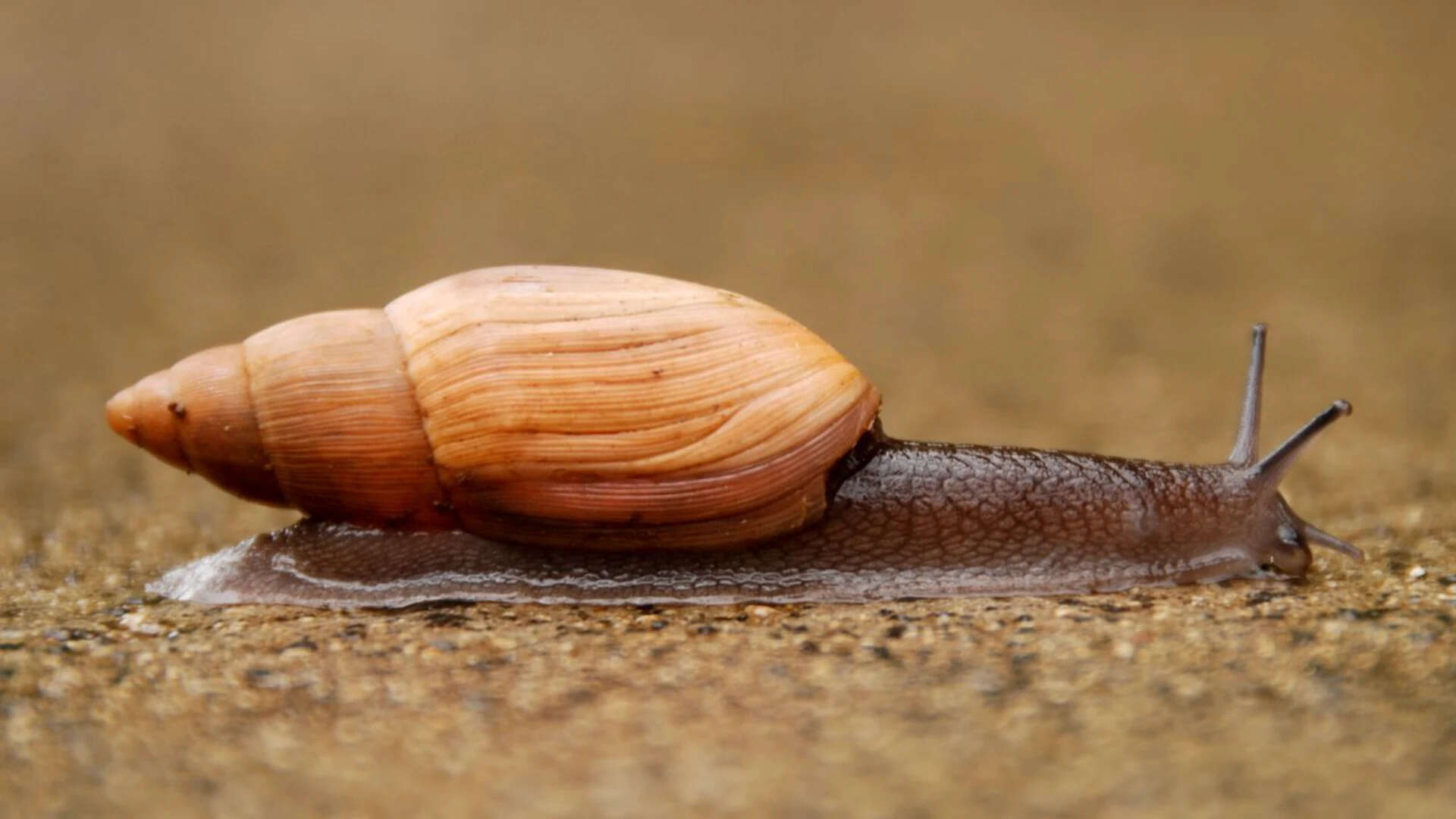
Cannibal snail introduced to Hawaii in 1955 devastates native species, prompting conservation efforts
Translated from English, summarized and contextualized by DistantNews.
At a glance
News
Sources not specified
Context piece
- Hawaii introduced a predatory snail in 1955 to control invasive pests, which subsequently devastated native tree snails.
- Scientists are now operating a
In 1955, Hawaii released a cannibal snail, Euglandina rosea, in an attempt to control an invasive pest snail. The predatory snail, however, turned its attention to Hawaii's native tree snails, causing widespread devastation. These native kāhuli snails, once abundant and culturally significant to Native Hawaiians, are now critically endangered.
Conservationists are working to protect the remaining populations. Efforts include establishing predator-proof fences to safeguard snails before reintroduction into the wild. The process of captive breeding is slow, and scientists are racing against time to prevent further extinctions. This situation highlights a global trend where human actions inadvertently lead to the endangerment of species.
Scientists are now running a "snail emergency room" to protect the few remaining native tree snails. The focus is on preventing further losses and attempting to breed the snails in captivity. The hope is to eventually reintroduce them into protected areas, but the challenges are immense. The story serves as a stark reminder of the complex and often unintended consequences of introducing non-native species.
DistantNews Editorial
Originally published by Times of India in English. Translated, summarized, and contextualized by our editorial team with added local perspective. Read our editorial standards.
More Stories



From Our Blog

What Press Freedom Means for the News You Read

What Gets Lost (and Found) When News Is Translated

The Critical Role of Diaspora Media in Global News

What Travellers Should Know About Countries with Restricted Press

A Digital Nomad's Guide to Following Local News
