


Capturing Eternity: Hungarian exhibition reveals ancient Egyptian artists' methods
Translated from Hungarian, summarized and contextualized by DistantNews.
At a glance
In-depth
Named sources
Context piece
- An exhibition in Hungary showcases the creation process of ancient Egyptian art, using modern technology to reveal artistic methods and beliefs.
- The exhibition features artifacts from various European museums, focusing on the materials and hierarchical significance of Egyptian art.
- Visitors can explore the process through tools, texts, images, and even interactive holographic displays, offering a unique insight into the artists' perspectives and the evolution of their work.
- The display is organized into four main material groups: stone, wood, metal, and faience, highlighting the Egyptians' dedication to capturing eternity through their art.
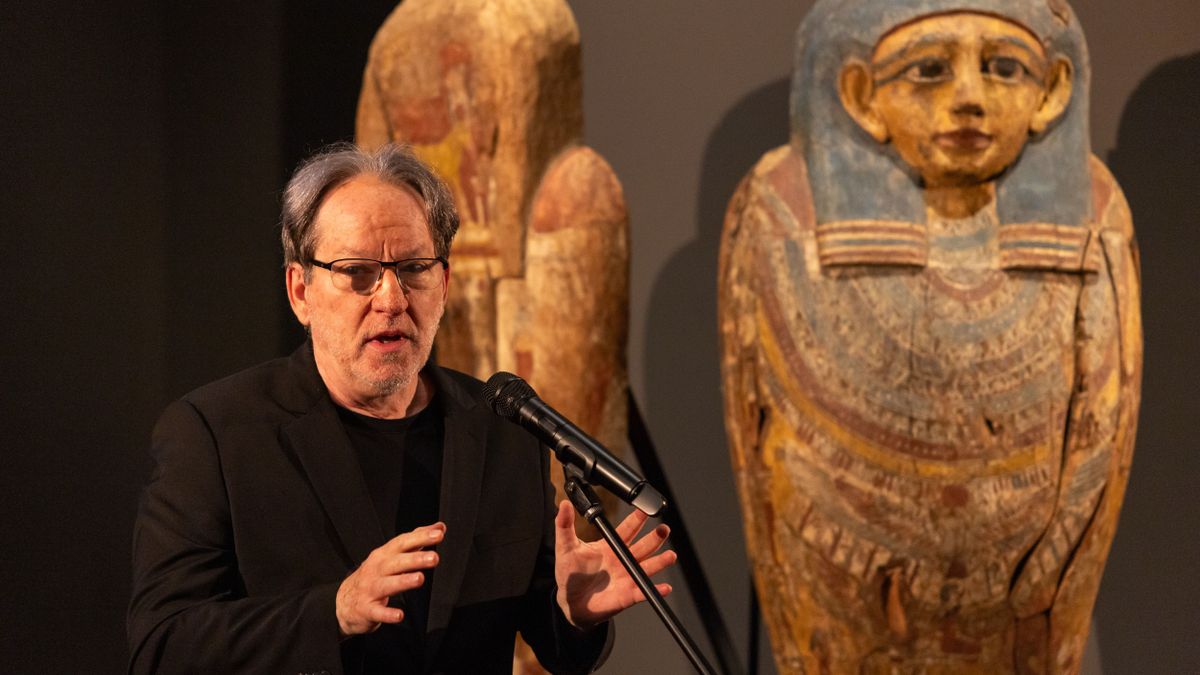
An exhibition in Hungary offers a unique journey into the world of ancient Egyptian art, focusing not just on the finished masterpieces but on the intricate processes behind their creation. This display aims to illuminate how these works of art came into being, showcasing the artists' perspectives and the stages of their work with the aid of cutting-edge technology.
The exhibition currently on display is special because it shows the process of how objects were made, how these works of art were created.
The exhibition goes beyond simply presenting artifacts; it delves into what occupied the minds of the creators, their beliefs about the afterlife, and their faith. Visitors can witness the methods employed by master craftsmen, enhanced by a variety of tools, texts, images, and even interactive holographic displays that allow for personal engagement with the material.
It doesn't simply show what occupied the creators at the time, what they thought about the afterlife, their faith. It is extremely exciting to see how the craftsmen created these works.
Organizing such a large-scale exhibition is a multi-year endeavor, beginning with conceptualization and a thorough review of the collection. This particular exhibition primarily draws from the host institution's own collection but also features significant Egyptian artifacts loaned from European museums in Denmark and Turin. The collaboration highlights the international significance of ancient Egyptian art.
The holoprojector is capable of displaying artworks thousands of years old, which can no longer be enjoyed in their former splendor.
A key characteristic of Egyptian art, dedicated to capturing eternity, involved assigning special importance to certain genres and materials. The artwork's material usage reflects a hierarchical concept, and the exhibition organizes its objects into four major material groups: stone, wood, metal, and faience. This arrangement allows visitors to appreciate the diverse techniques and symbolic meanings embedded in the art of ancient Egypt.
Organizing such large-scale exhibitions always takes years of process. First, the concept must be thought through, and then our collection material must be reviewed from this perspective.
DistantNews Editorial
Originally published by Magyar Nemzet in Hungarian. Translated, summarized, and contextualized by our editorial team with added local perspective. Read our editorial standards.
More Stories


From Our Blog

Countries Without a Free Press: What You Need to Know

What Press Freedom Means for the News You Read

What Gets Lost (and Found) When News Is Translated

The Critical Role of Diaspora Media in Global News

What Travellers Should Know About Countries with Restricted Press
