


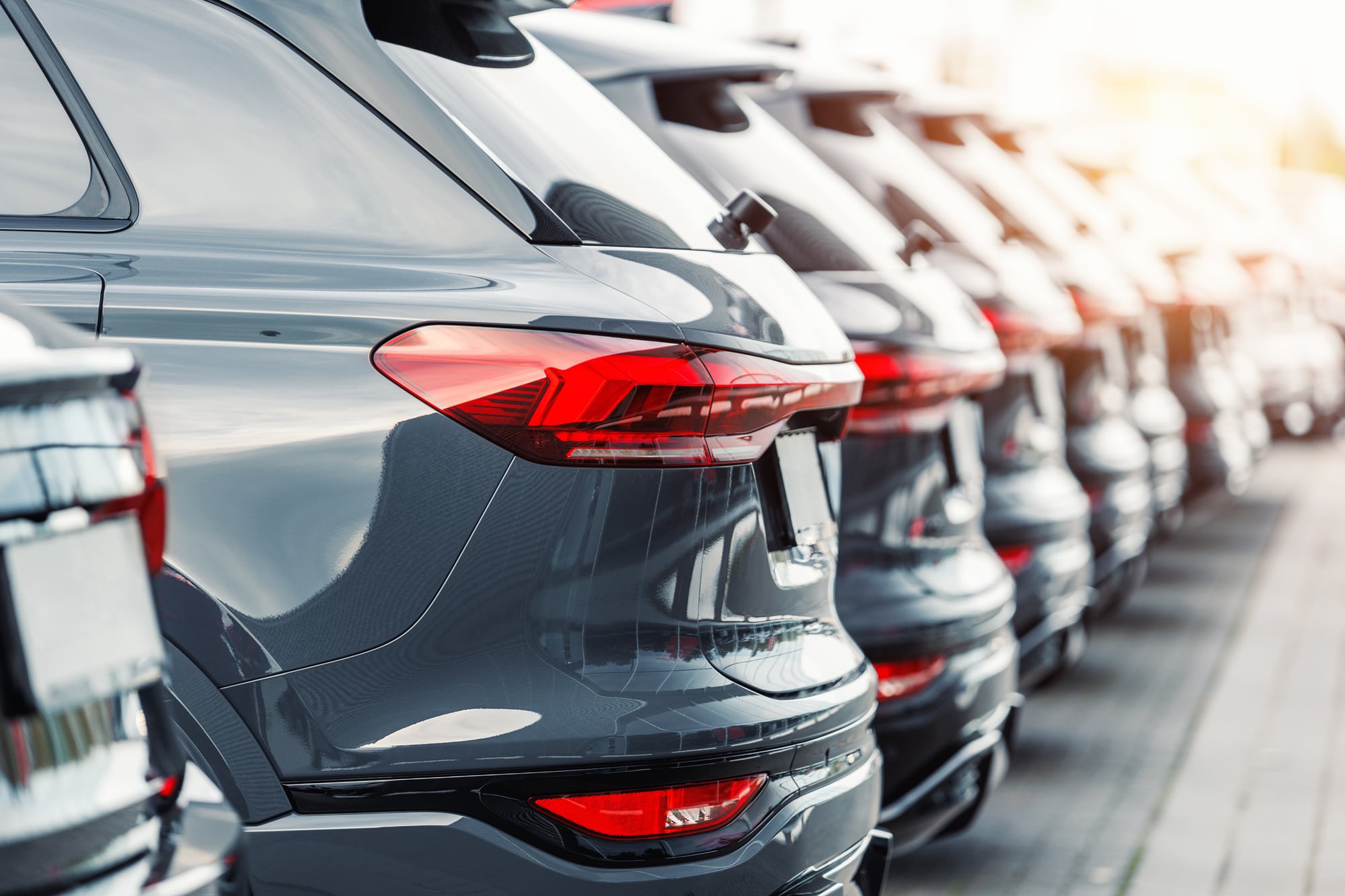
Car Financing Plummets in Argentina Amid Economic Pressures
Translated from Spanish, summarized and contextualized by DistantNews.
At a glance
News
Named sources
Context piece
- Car financing in Argentina has declined significantly, with fewer new and used vehicles being financed.
- Economic analysts attribute the drop to the widening gap between car ownership costs and middle-class income.
- High total financing costs and the expense of maintaining a vehicle deter potential buyers.
The Argentine automotive industry is experiencing a downturn not only in sales but also in financing for vehicle purchases. In May, financing for vehicles saw a notable decrease, with 27,053 liens registered on vehicles. Of these, 18,858 were for new units and 8,195 for used cars, reflecting a broad decline across indicators. New vehicle financing dropped 14% compared to April and 30% year-on-year. The year-to-date contraction in financing stands at 10%, mirroring the nearly 9.7% fall in new car sales.
the huge distance between the cost of maintaining a car and the true payment capacity of the middle class
Economic analyst Darío Rubinsztein points to a "huge distance between the cost of maintaining a car and the true payment capacity of the middle class" as a primary reason for the decline. He highlights that attractive promotional interest rates often fail to reflect the real cost of the operation. When insurance and administrative fees are added, the Total Financial Cost (CFT) becomes prohibitive for many buyers. Furthermore, the monthly expenses associated with owning a car, including registration, insurance, fuel, and parking, can range from $600,000 to $900,000, excluding the loan installment itself. For a typical family earning an average of $3,000,000, allocating a third of their income to a car is seen as unrealistic, especially when credit card debt is a concern.
For a typical family earning an average of $3,000,000 (two average salaries of $1,500,000), allocating a third of their income to a car is a chimera, especially when they carry credit card debt and desperately seek to avoid falling into minimum payments.
Rubinsztein also notes that many individuals looking to change their vehicles already own a used car. Instead of financing the difference, they prefer to use savings or wait for a more favorable economic climate. In an economy where mass consumption is struggling, cars are increasingly viewed as dispensable unless they are essential for work. The financing market is expected to remain stagnant until real wages recover purchasing power and disposable income stabilizes.
In an economy with mass consumption resentful, the car (as long as it is not a work tool) becomes a dispensable good. Until real wages recover true purchasing power and disposable income stabilizes, the financing market will remain paralyzed.
DistantNews Editorial
Originally published by La Nación in Spanish. Translated, summarized, and contextualized by our editorial team with added local perspective. Read our editorial standards.
More Stories


From Our Blog

What Gets Lost (and Found) When News Is Translated

The Critical Role of Diaspora Media in Global News

What Travellers Should Know About Countries with Restricted Press

A Digital Nomad's Guide to Following Local News

How the Same Story Looks Different in Different Countries
