


Caramelized Lemon Possets: A medieval treat from the island
Translated from German, summarized and contextualized by DistantNews.
At a glance
In-depth
Sources not specified
Context piece
- Lemon Possets, a medieval British dessert, are being revived with a modern, simplified recipe.
- Traditionally made with cream, sugar, and lemon juice, the dessert sets without gelatin or eggs due to the reaction between hot cream and acid.
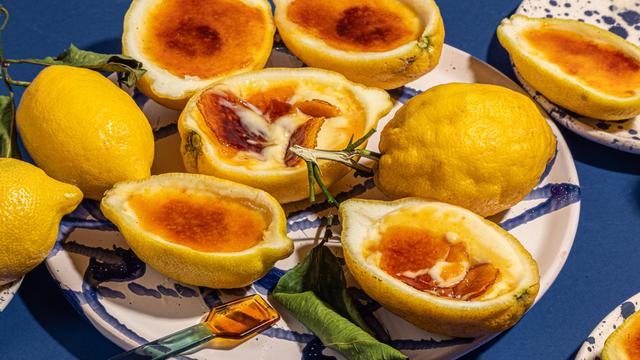
- A caramelized sugar topping, similar to crème brûlée, can be added for a contrasting texture.
A classic British dessert, Lemon Posset, dating back to the Middle Ages, is experiencing a resurgence, celebrated for its simplicity and refreshing taste. This dessert, traditionally made with just three core ingredients, cream, sugar, and lemon juice, offers a delightful culinary experience with minimal effort.
The magic of the Lemon Posset lies in its preparation. Hot cream is combined with sugar and lemon juice, causing the milk proteins to coagulate. As it cools, this mixture transforms into a surprisingly firm yet silky smooth custard without the need for eggs or gelatin. This natural setting process makes it an accessible and elegant dessert.
Often served directly in hollowed-out lemon shells, the posset not only looks appealing but also saves on washing up, especially during warmer months. While the base recipe is simple, a popular variation involves sprinkling sugar on top and caramelizing it with a kitchen torch. This creates a crisp, golden layer reminiscent of crème brûlée, adding a delightful textural contrast to the creamy custard beneath.
Originally, possets were not desserts but warm, spiced cream drinks, often mixed with wine or ale to curdle. It was only in the 19th century that the cold, creamy dessert form we recognize today emerged. The modern iteration, often enhanced with a touch of vanilla, continues to be a timeless favorite, embodying the rich history of British cuisine.
DistantNews Editorial
Originally published by Die Zeit in German. Translated, summarized, and contextualized by our editorial team with added local perspective. Read our editorial standards.
More Stories



From Our Blog

What Gets Lost (and Found) When News Is Translated

How the Same Story Looks Different in Different Countries

The Critical Role of Diaspora Media in Global News

What Travellers Should Know About Countries with Restricted Press

A Digital Nomad's Guide to Following Local News
