


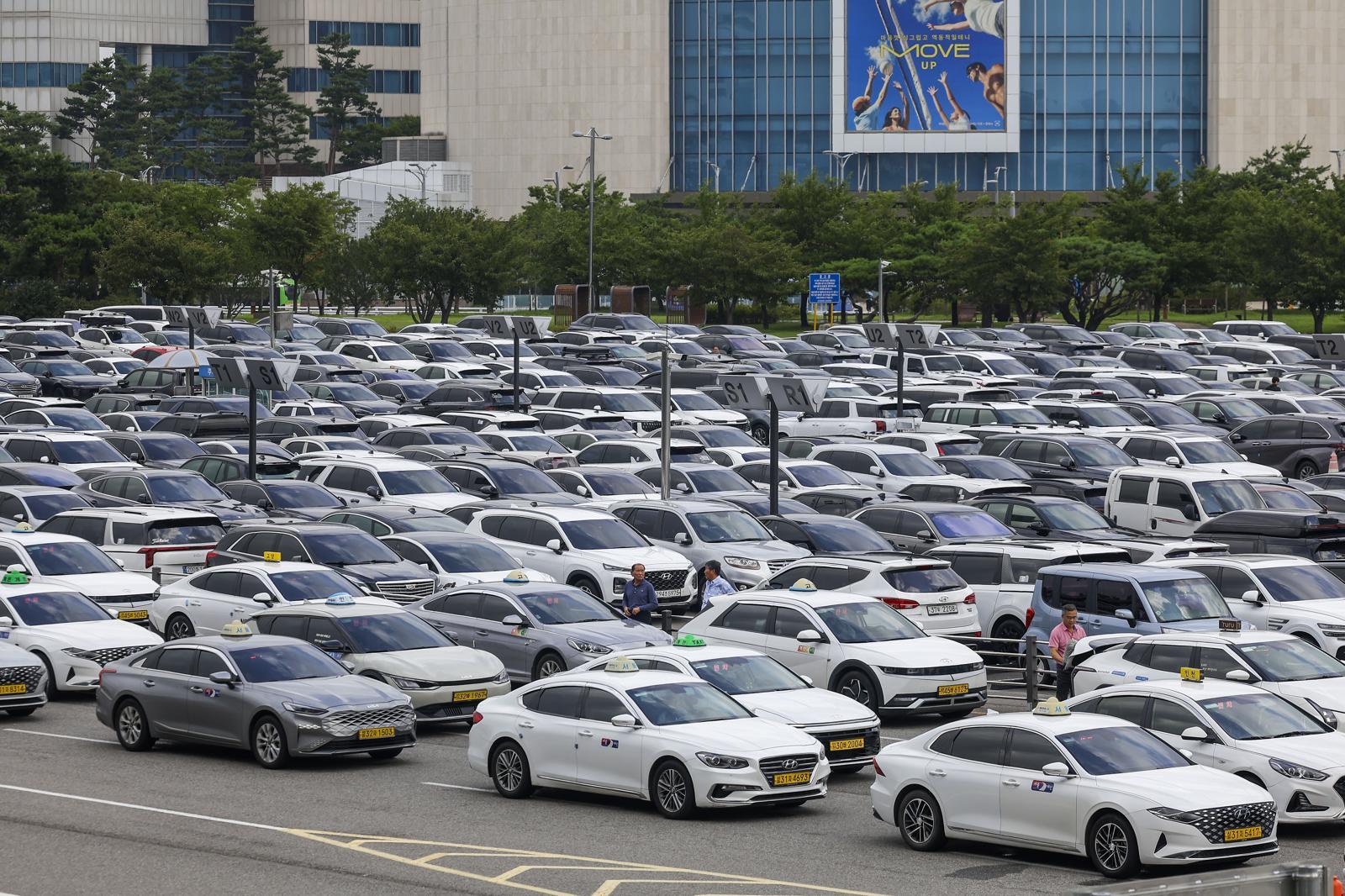
Cars at risk of explosion in extreme heat: Lighters, batteries pose danger
Translated from Korean, summarized and contextualized by DistantNews.
At a glance
News
Named sources
Context piece
- Extreme heat increases the risk of car fires and explosions, with incidents rising 10-20% in July-August.
- Flammable items like lighters, batteries, and aerosol cans pose explosion risks inside vehicles where temperatures can reach 90°C (194°F).
- Safety measures include checking coolant and tire pressure, using external air circulation for air conditioning, and keeping a fire extinguisher in the vehicle.
The ongoing heatwave is escalating the danger of vehicle fires and explosions, prompting urgent warnings for drivers to exercise extreme caution. According to the Korea Transportation Safety Authority (TS), car fires occur 10-20% more frequently during the peak summer months of July and August. This heightened risk is attributed to interior car temperatures soaring to as high as 90°C (194°F) when exposed to direct sunlight for extended periods.
Items commonly found in vehicles, such as portable chargers, mobile phones, disposable lighters, butane gas canisters, and aerosol sprays, become particularly hazardous under high temperatures, posing a significant explosion risk. These items should never be left inside a car, especially on the dashboard where direct sunlight is concentrated. Even sealed containers like soda cans and water bottles can rupture due to pressure buildup from prolonged heat exposure.
To mitigate interior temperatures, parking vehicles facing away from direct sunlight is recommended, as the rear window is smaller and its angle offers some reflection. Using sunshades or other light-blocking materials on windows can help reduce heat buildup on the dashboard and inside the cabin. Parking with windows slightly ajar (1-2 cm) or ventilating the car by opening and closing the passenger door multiple times upon entry can also help dissipate hot air.
During long drives, using the air conditioning's external air circulation mode is advised over internal recirculation to prevent a buildup of carbon dioxide and the influx of exhaust pollutants, which can impair driver concentration and lead to drowsiness. Regular ventilation by opening windows during extended trips is also crucial. Drivers should immediately pull over and shut off the engine if they notice smoke or a burning smell. Mandatory vehicle fire extinguishers for passenger cars should be readily accessible and drivers should familiarize themselves with their operation.
DistantNews Editorial
Originally published by Dong-A Ilbo in Korean. Translated, summarized, and contextualized by our editorial team with added local perspective. Read our editorial standards.
More Stories


From Our Blog

What Gets Lost (and Found) When News Is Translated

The Critical Role of Diaspora Media in Global News

What Travellers Should Know About Countries with Restricted Press

A Digital Nomad's Guide to Following Local News

How the Same Story Looks Different in Different Countries
