


Cat Rescued from Ruins of Venezuela Quake Offers ‘Ray of Hope’
Summarized and contextualized by DistantNews.
At a glance
News
Named sources
Approved/passed
- The U.S. Interior Department has rescinded automatic protections for species listed as threatened, a move critics fear will accelerate extinctions.
- The new policy requires individualized protection plans, a process opponents argue is too slow and vulnerable to industry exemptions.
- This decision reverses protections implemented under the Biden administration and mirrors changes made during the Trump administration, sparking debate over species conservation and economic development.
The U.S. Interior Department has eliminated automatic protections for species designated as threatened, a significant policy shift that environmental advocates warn could hasten extinctions. This decision, part of a broader effort to revise the Endangered Species Act, means imperiled species will no longer receive automatic safeguards. Instead, they must undergo a potentially lengthy process to secure individualized protection plans.
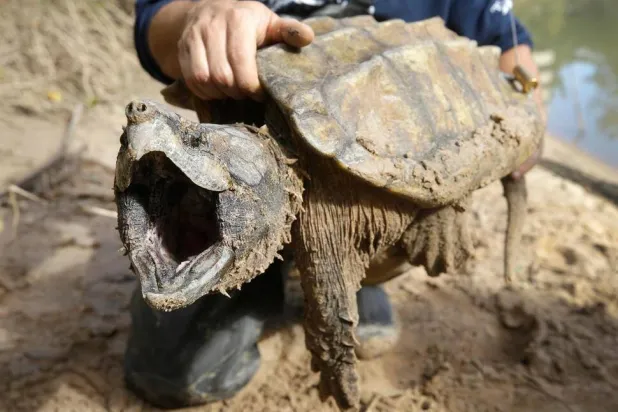
Critics argue that this new approach creates significant hurdles for species awaiting federal protection, potentially endangering populations like monarch butterflies and alligator snapping turtles. The individualized plan process could allow industries such as oil and gas drilling and mining to seek exemptions, further jeopardizing species' habitats. Noah Greenwald of the Center for Biological Diversity expressed concern that exempting industries responsible for habitat destruction would undermine conservation efforts.
Success should be measured by species recovery and delisting, not by adding more species to the list.
Interior Secretary Doug Burgum defended the changes, stating the Endangered Species Act had been misused to obstruct projects, inflate costs, and weaken competitiveness. He asserted that success should be measured by species recovery and delisting, not by simply adding more species to the protected list. A second change requires economic impacts to be analyzed when determining critical habitat, a move critics believe gives corporations undue influence over development decisions.
If you're exempting certain industries that cause habitat destruction, in many instances you'll be exempting the main threat to those species.
These regulatory changes echo policies enacted during former President Donald Trump's first term, which were later reversed by President Joe Biden. The original "blanket protections" for threatened species were established in 1975 for wildlife and 1977 for plants. Legal challenges have arisen, with groups like the Rocky Mountain Elk Foundation suing the Biden administration after the restoration of blanket protections, arguing it disincentivized landowners from participating in species recovery.
Jonathan Wood of the Property and Environment Research Center suggested the Trump administration's approach better rewards progress and encourages proactive conservation. Notably, no species have been added to the endangered or threatened lists during Trump's current term, contrasting with previous administrations. More than 20 species were added during Trump's first term, while approximately 60 were added under Biden's presidency.
better reward progress and encourage proactive conservation.
DistantNews Editorial
Originally published by Asharq Al-Awsat. Summarized and contextualized by our editorial team with added local perspective. Read our editorial standards.
More Stories


From Our Blog

What Gets Lost (and Found) When News Is Translated

The Critical Role of Diaspora Media in Global News

What Travellers Should Know About Countries with Restricted Press

A Digital Nomad's Guide to Following Local News

How the Same Story Looks Different in Different Countries
