

Caucasus stands firm against Israeli manipulation
Summarized and contextualized by DistantNews.
At a glance
News
Sources not specified
Context piece
- Israel's recognition of the Ottoman Empire's treatment of Armenians as genocide is seen as a political ploy to distract from its actions in Gaza.
- Türkiye's Foreign Ministry criticized Israel's move, linking it to the International Criminal Court's investigation into alleged crimes against Palestinians.
- Armenian Prime Minister Nikol Pashinyan has largely ignored Israel's statement, signaling a pragmatic foreign policy shift supported by domestic public opinion.
The Caucasus region is navigating a complex geopolitical landscape, with recent events highlighting Israel's attempts to manipulate historical narratives. Israel's Foreign Minister Gideon Sa’ar announced that the country recognized the Ottoman Empire's treatment of Armenians as a "genocide." This move is viewed by some as a strategic maneuver to divert international attention from the ongoing conflict in Gaza, where Israeli forces have reportedly killed over 73,000 Palestinians since October 7, 2023.
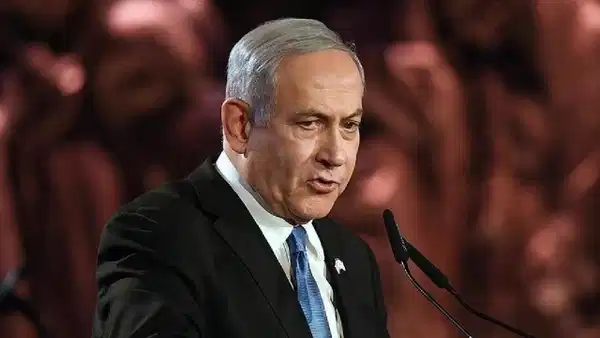
Ankara has responded cautiously but critically to Israel's statement. Türkiye's Ministry of Foreign Affairs stated that Israel's decision "lays bare the predicament in which Netanyahu and his accomplices find themselves," referencing the arrest warrants issued against them by the International Criminal Court for alleged crimes against Palestinians. This response underscores the deep-seated tensions and differing perspectives on historical events and current conflicts.
It lays bare the predicament in which Netanyahu and his accomplices find themselves, given the arrest warrants issued against them within the scope of the investigation conducted by the International Criminal Court into the crimes committed against the Palestinians.
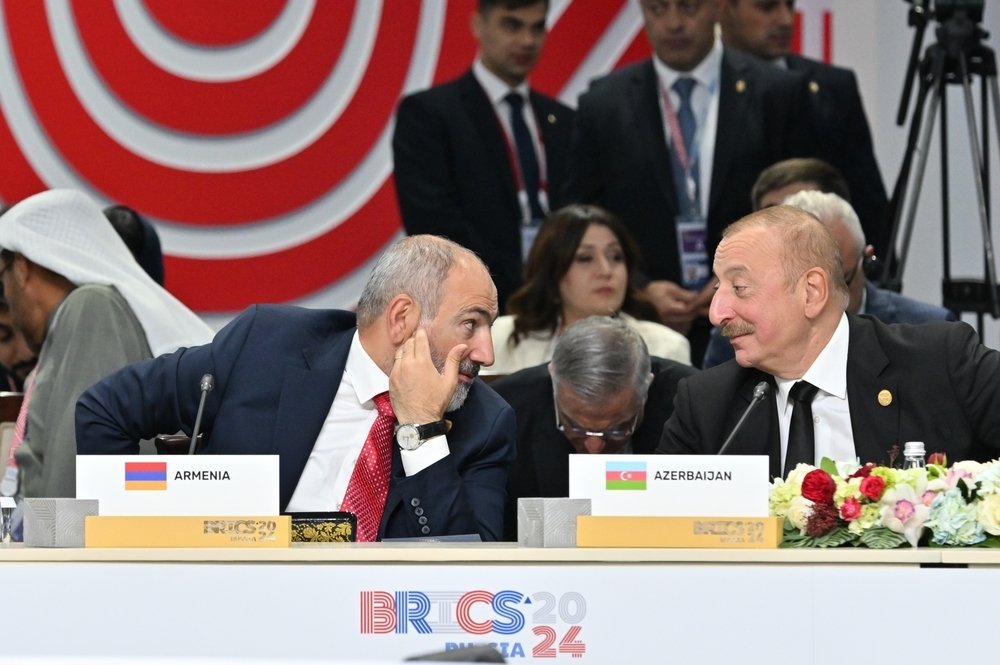
Armenian Prime Minister Nikol Pashinyan has adopted a notably reserved stance, choosing to "see no need to respond" to Israel's announcement. This approach aligns with his recent "realist turn" in foreign policy, which appears to be gaining traction both regionally and domestically. Pashinyan's government recently secured nearly 50% of the vote in an election, suggesting strong popular support for his pragmatic foreign policy direction. This measured response indicates a potential shift away from historical grievances towards a more pragmatic engagement with regional dynamics, influenced by Türkiye's diplomatic efforts.
The situation highlights the intricate interplay of historical memory, current geopolitical conflicts, and national interests in the Caucasus. While Israel attempts to leverage historical events for political gain, Armenia and Türkiye appear to be prioritizing stability and pragmatic diplomacy in the region, signaling a potential recalibration of their foreign policy approaches.
We see no need to respond.
DistantNews Editorial
Originally published by Daily Sabah. Summarized and contextualized by our editorial team with added local perspective. Read our editorial standards.
More Stories
From Our Blog

What Gets Lost (and Found) When News Is Translated

The Critical Role of Diaspora Media in Global News

What Travellers Should Know About Countries with Restricted Press

A Digital Nomad's Guide to Following Local News

How the Same Story Looks Different in Different Countries
