


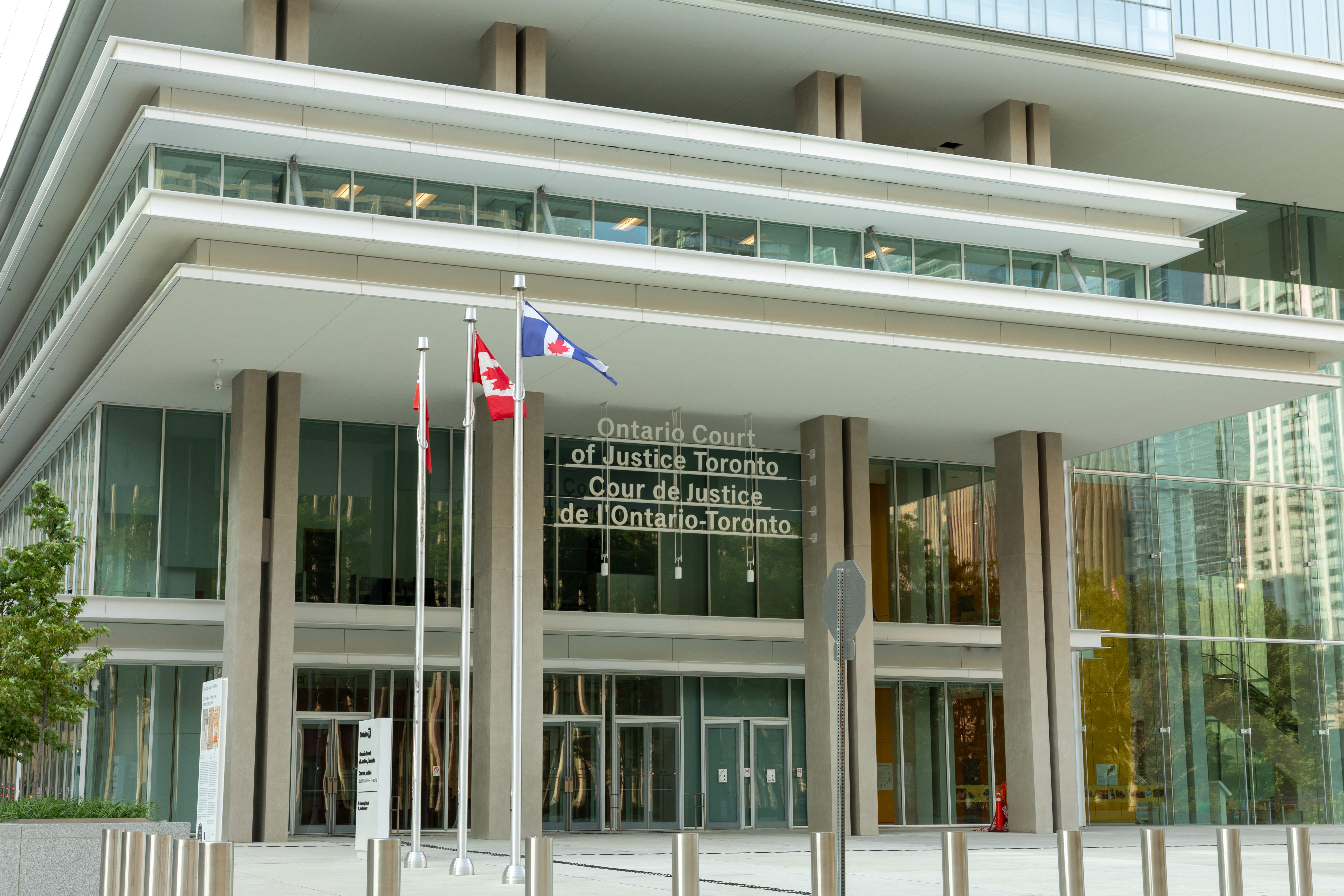
CCLA launches Charter challenge against new Ontario bail rules
Translated from English, summarized and contextualized by DistantNews.
At a glance
News
Named sources
New plan
- The Canadian Civil Liberties Association is challenging new Ontario bail regulations that require upfront security deposits.
- The CCLA argues the regulations violate the Constitution by encroaching on federal jurisdiction and infringing on the right to reasonable bail.
- Concerns exist that the stricter payment timeline will lead to jail overcrowding.
The Canadian Civil Liberties Association (CCLA) is launching a Charter challenge against the Ontario government's recently implemented bail regulations. These new rules mandate that sureties must pay security deposits within two business days, a significant shift from the previous system that often relied on a "promise to pay."
The government has also granted itself expanded powers to collect these payments, including the ability to place property liens and seize and sell property. The CCLA contends that these measures create a "cash bail system" that establishes two tiers of justice: one for the wealthy and another for everyone else. The organization asserts that the regulations violate the Constitution, arguing that criminal procedure is a federal power and that the province cannot unilaterally alter federal law or infringe upon Charter rights.
a cash bail system creates two tiers of justice: one for the rich, and the other for the rest of us.
Beyond the legal challenge, the CCLA has raised concerns about the practical consequences of the new regulations. They anticipate that the more stringent payment timeline will make it harder for individuals to meet bail conditions, potentially leading to increased overcrowding in Ontario jails. This legal action marks the latest in a series of Charter challenges against laws enacted by the Ford government, following similar actions against plans for special economic zones and a successful challenge to the removal of downtown Toronto bike lanes.
The new bail regulations took effect on Monday, and the CCLA plans to formally launch its Charter challenge next week. The association's stance emphasizes the fundamental right to reasonable bail and questions the province's authority to implement such significant changes to federal criminal procedure.
criminal procedure is a federal power under the Constitution. The federal Criminal Code sets out that a justice has discretion on whether to order a security deposit. The province cannot rewrite federal law. Neither can the province violate the Charter right not to be denied reasonable bail.
DistantNews Editorial
Originally published by Global News in English. Translated, summarized, and contextualized by our editorial team with added local perspective. Read our editorial standards.
More Stories



From Our Blog

What Gets Lost (and Found) When News Is Translated

The Critical Role of Diaspora Media in Global News

What Travellers Should Know About Countries with Restricted Press

A Digital Nomad's Guide to Following Local News

How the Same Story Looks Different in Different Countries
