


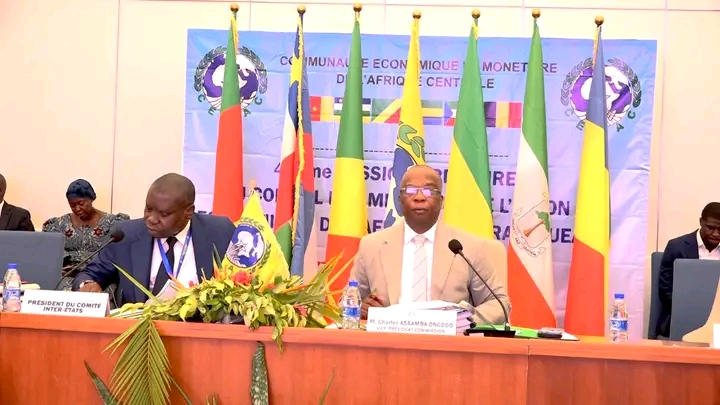
Central African Experts Meet in Brazzaville to Advance Regional Integration
Translated from French, summarized and contextualized by DistantNews.
At a glance
News
Sources not specified
Context piece
- Experts from the Central African Economic and Monetary Community (CEMAC) met in Brazzaville to discuss regional integration.
- Key topics included the financial sustainability of CEMAC and accelerating reforms.
- The meeting prepares for the upcoming Council of Ministers session.
Central African experts convened in Brazzaville starting June 10, 2026, to lay the groundwork for the 45th ordinary session of the UEAC Council of Ministers. The Inter-State Committee's discussions are focused on critical issues for the Central African Economic and Monetary Community (CEMAC), including its financial sustainability and the acceleration of regional integration reforms. This meeting occurs amid global economic uncertainties and persistent challenges within the CEMAC region. The gathering commenced with the community anthem, symbolizing regional unity. Charles Assamba Ongodo, vice-president of the CEMAC Commission, urged member states to bolster solidarity in the face of international crises and to continue reforms aimed at consolidating regional integration. He specifically highlighted the community's financial fragility, noting that the budget's heavy reliance on the Community Integration Tax (TCI) and difficulties in collecting contributions create significant cash flow tensions, impacting institutional operations. The president of the Inter-State Committee, Éric Mbendé, emphasized the experts' responsibility in reviewing submitted dossiers. Financial governance, tourism, telecommunications, mining policy, air safety, and the modernization of statistical systems are among the agenda's main subjects. The recommendations from these expert deliberations will inform the decisions made at the upcoming Council of Ministers meeting, with the overarching goal of revitalizing sub-regional integration and meeting population expectations for development and inclusive growth.
DistantNews Editorial
Originally published by Journal du Cameroun in French. Translated, summarized, and contextualized by our editorial team with added local perspective. Read our editorial standards.
More Stories
From Our Blog

What Gets Lost (and Found) When News Is Translated

The Critical Role of Diaspora Media in Global News

What Travellers Should Know About Countries with Restricted Press

A Digital Nomad's Guide to Following Local News

How the Same Story Looks Different in Different Countries
